France has recorded 301 drowning fatalities since 19 June, according to Sports and Youth Minister Marina Ferrari, who attributed the sharp increase to prolonged heatwaves sweeping the country. The toll represents a 14% rise compared with the same period in 2025, marking what Ferrari described as a "tragic toll" during an interview with France Inter radio on Friday.
The broader picture is even more severe. According to France's national public health agency, 925 drowning incidents were recorded between 1 May and 15 July 2026, resulting in 274 fatal cases. The agency found that 73% of all drowning incidents and 79% of fatal drownings occurred during official heatwave alerts, underscoring the direct link between extreme temperatures and water-related deaths.
France, Spain and Italy have all endured intense heatwaves during the summer of 2026, conditions that have also triggered massive wildfires consuming thousands of hectares across the region. The extreme heat has driven unprecedented numbers of people to seek relief in water, often without adequate precautions.
Why are drowning deaths increasing during heatwaves?
Sudden immersion in cold water on a hot day can trigger thermal shock in the body, Ferrari explained. She noted that in some instances, individuals underestimate the physical demands of swimming and exceed their own capabilities. Additionally, many victims have been attempting to cool off in unsupervised locations where rescue services cannot respond quickly.
Ferrari highlighted a particular concern:
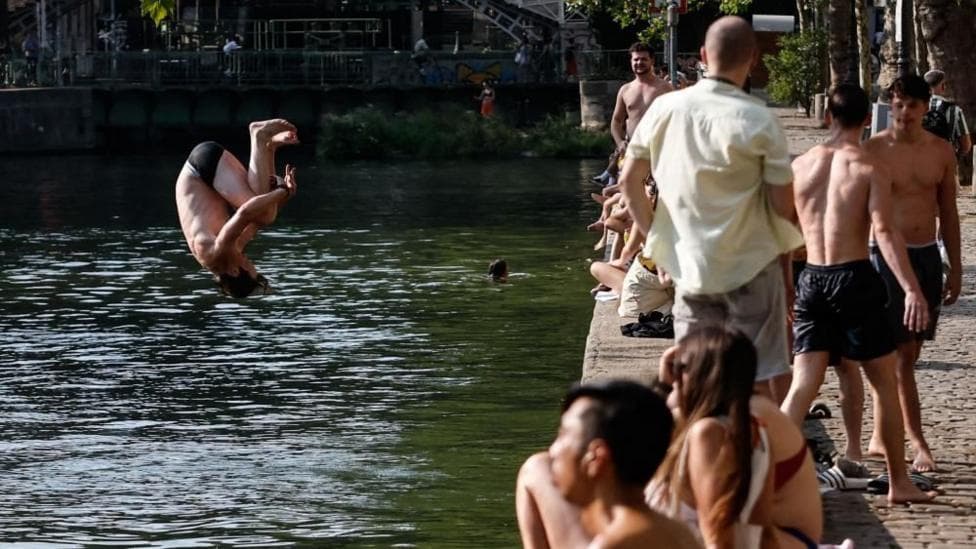
"Many deadly accidents have occurred in areas that are not authorised or supervised for swimming."She pointed out that drownings have been recorded in open water environments including canals, where currents and underwater hazards pose additional risks to swimmers unfamiliar with such settings.

According to civil safety officials, swimmers should restrict their activities to supervised swimming areas where lifeguards and emergency equipment are present. This guidance emerged following a spike in deaths from unsupervised swimming during earlier heatwave periods.
Which groups face the highest risk?
Elderly people have accounted for a significant proportion of drowning deaths during the heatwaves. Ferrari noted that
"many drownings, particularly among the elderly, occurred in individual pools."Younger people have also been affected; reported in June that France had seen approximately 40 drownings within a few days during an early-summer heatwave, with authorities noting that many victims were young people.
The severity of the crisis became apparent during specific periods. France's public health agency recorded 48 drowning incidents during the first heatwave alert period from 24 to 31 May, compared with 18 fatal cases in the same period of 2025. Between 16 June and 3 July, the agency documented 307 drowning incidents with 103 fatalities, followed by 234 incidents and 65 deaths from 4 to 15 July.
What is the government doing to address the crisis?
Ferrari stated that the government is collaborating with regional authorities
"to improve swimming areas and make things safer."These efforts aim to expand access to supervised facilities and reduce the incentive for people to swim in dangerous, unsupervised locations during extreme heat.
The scale of the problem reflects a pattern that has intensified in recent years. France experienced a sharp rise in drowning deaths during heatwaves in the previous year as well, with civil safety officials noting a 172% increase during those periods. The current summer's figures suggest the trend is accelerating rather than stabilising.
How does climate change factor into this crisis?
Climate change is driving temperature increases globally, but Europe is warming at roughly twice the rate of the global average, according to the Copernicus climate service. This accelerated warming in Europe creates conditions where extreme heat events are becoming more frequent and more intense, directly increasing the pressure on people to seek water-based cooling and raising the associated risks of drowning.
Key Facts
- France recorded 301 drowning deaths since 19 June 2026, a 14% increase compared with 2025
- Fatal drownings in swimming pools and other developed artificial swimming areas doubled year on year, rising from 31 to 60 cases
- 73% of all drowning incidents and 79% of fatal drownings occurred during official heatwave alerts
- Elderly people and young people have both been significantly affected, with deaths occurring in both supervised pools and unsupervised open water
- Europe is warming twice as fast as the global average, intensifying the frequency and severity of heatwaves