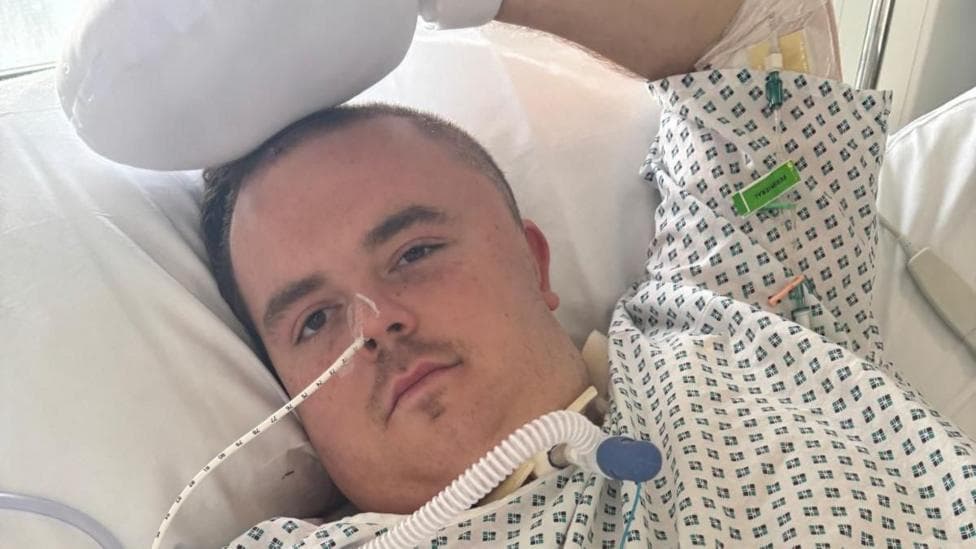
Daniel Parsonage was preparing to perform with his street dance group at the Hawarden Summer Carnival when he suddenly felt unwell and collapsed on 12 July 2025. The 29-year-old from north Wales suffered a severe stroke caused by bleeding on the brain, and doctors initially told his family there was nothing more they could do. Yet after two emergency operations and four weeks in an induced coma, he has defied medical expectations and now aims to return to performing before his 30th birthday in March 2027.
According to BBC News, intensive rehabilitation has enabled Parsonage to regain speech and mobility despite initial prognosis suggesting he would never walk or talk again. His recovery has been documented in a two-part Channel 4 documentary, Trauma: My Broken Brain, scheduled to air on 26 October 2026 at 10pm, timed to coincide with World Stroke Day.
What happened on the day of his collapse?
Parsonage had been training with the Urban Fusion street dance group, which he taught, when he began feeling unwell while preparing for the performance at the Hawarden Summer Carnival in Flintshire. His mother Claire described the moment his parents arrived at the hospital: they found him on the floor with sheets around him, limp on one side of his body and having been sick. An ambulance transported him to the Countess of Chester Hospital, where initial scans revealed severe bleeding on the brain.
His mother recalled the devastating conversation with medical staff:
All I remember is them saying 'you need to call the family in. There's nothing we can do... say your goodbyes'.The family was told to prepare for the worst, as doctors believed there was nothing more they could do for him.
How did he survive?
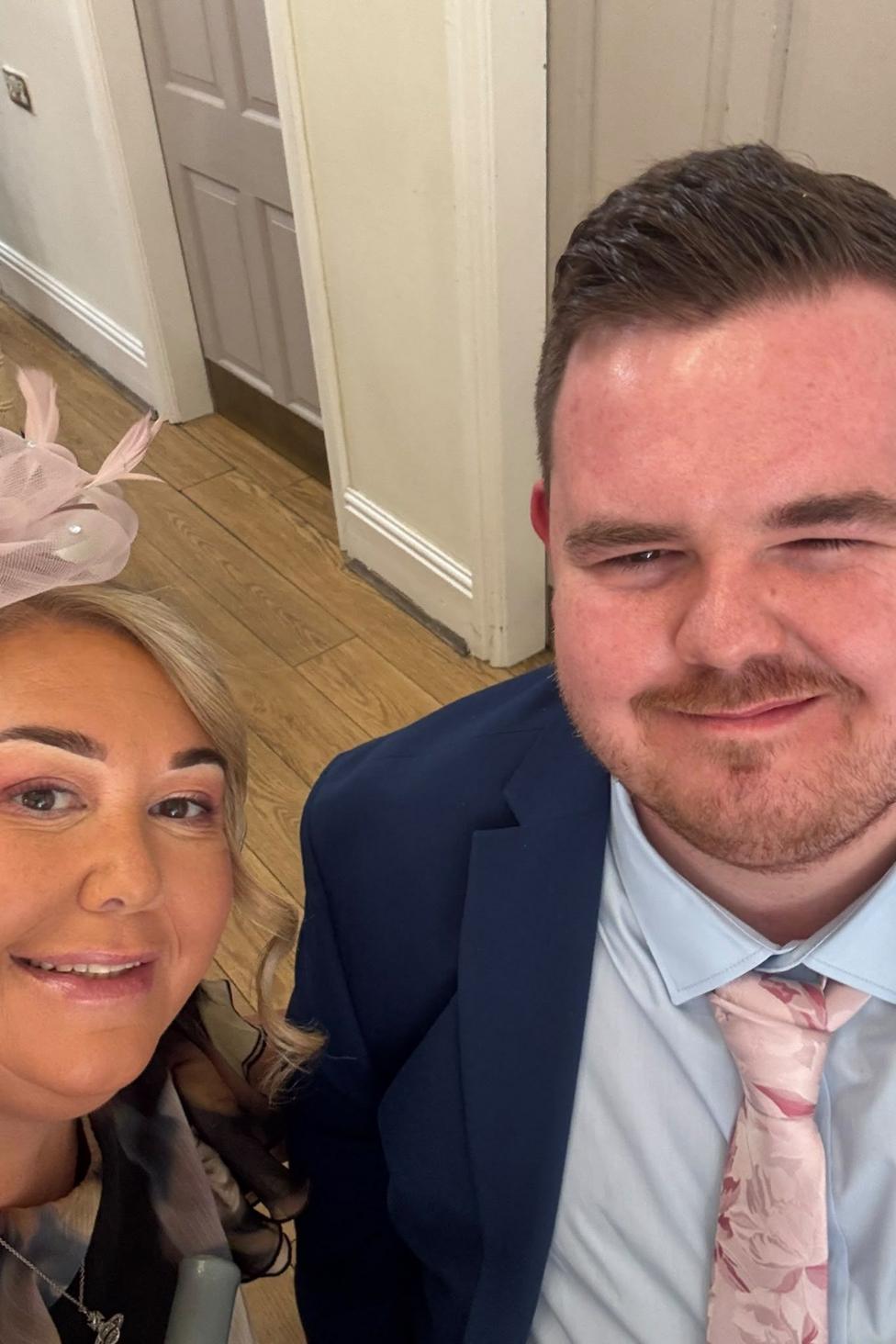
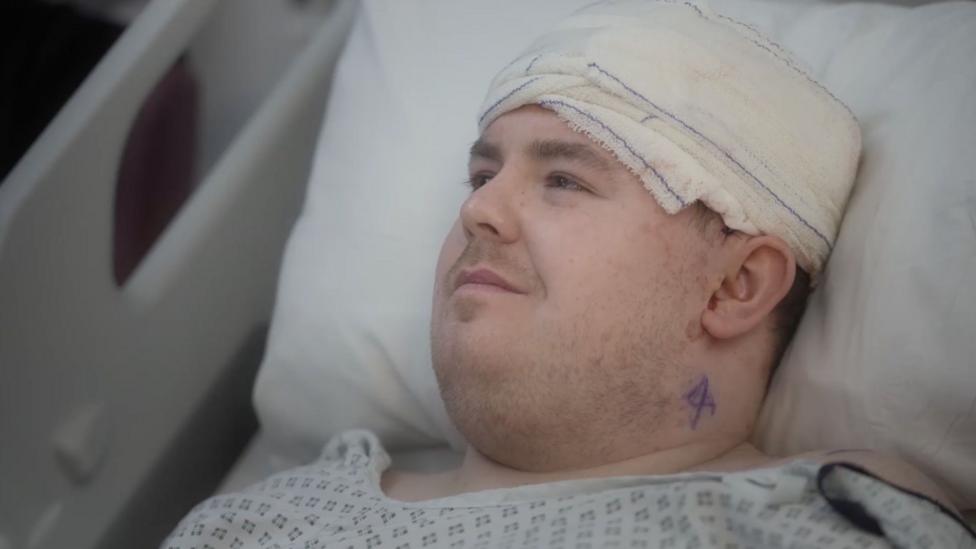
A consultant neurosurgeon made the critical decision to transfer Parsonage from the Countess of Chester Hospital to The Walton Centre in Liverpool, where specialist neurosurgeons could attempt life-saving intervention. Professor Andrew Broadbelt led the surgical team, performing an emergency operation on 14 July to stop the bleeding. A second operation on 16 July involved removing a large section of Parsonage's skull to allow his brain to swell more safely. Claire credited the neurosurgeon's intervention as decisive:
If Prof Broadbelt hadn't stepped in, Dan wouldn't be here today.
Parsonage then spent four weeks in an induced coma while his family waited anxiously for any sign of improvement. In mid-August 2025, his mother witnessed his eyes flicker and open for ten minutes—a moment she described as bringing happiness amid the uncertainty. Doctors had warned the family that a large section of his brain would not function again, meaning they should expect permanent loss of speech and mobility.
What was his recovery like?
When Parsonage first woke from his coma, he remembered thinking
where am I?and realising
that I couldn't speak words.The absence of speech persisted for nine weeks until his best friend Ben visited him in hospital, and to his mother's shock, Parsonage managed to say
Hi Ben—his first words since regaining consciousness.
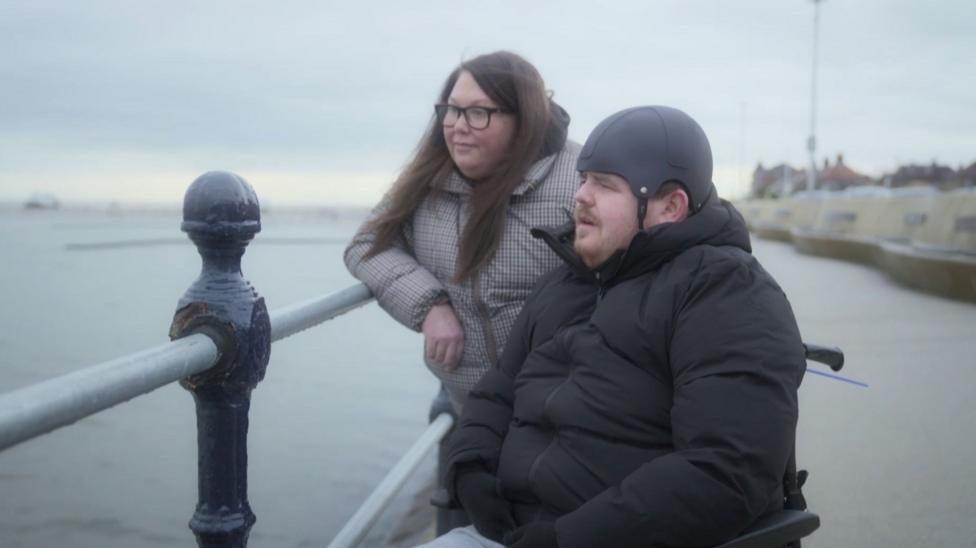
Over the following months, Parsonage underwent intensive speech and physiotherapy. He spent eight months in physiotherapy at Clatterbridge Rehabilitation Centre, progressing from being unable to lift himself out of bed to using a wheelchair and walking short distances with a mobility aid. His speech improved from non-existent to forming complete sentences. He regained independence in his daily routine, describing his morning activities:
I get up and shower, I put my clothes on, I do my [face] cream and I do my hair.
A significant milestone came in February 2026 when Parsonage underwent surgery to replace the missing section of his skull with an artificial plate. This procedure, which was filmed for the Channel 4 documentary, allowed him to stop wearing a protective helmet and boosted his confidence considerably.
What was his health like before the stroke?
Parsonage had specialised in street dance since age 11 and considered himself in excellent health at the time of his collapse. He was playing weekly football matches and training for the Chester Marathon. Two weeks before his stroke, his mother Claire had checked his blood pressure using a home device, testing it against her own and her husband Wayne's readings.
He was "absolutely fine", she said, adding that
He had absolutely no symptoms.His fitness levels were strong, and the stroke struck with no warning signs.
Understanding strokes in younger people
A stroke occurs when blood stops flowing to part of the brain, according to the NHS. It can affect speech, movement and other functions, and recovery can take considerable time. While strokes happen most frequently in people over 70, rates among younger adults aged 18 to 65 have risen in recent years, according to the Stroke Association.
The main symptoms of a stroke emerge suddenly and include facial weakness on one side, arm weakness or numbness preventing full movement, and speech problems such as slurred or confused speech. In Parsonage's case, tests diagnosed a bleed on his brain caused by high blood pressure—a condition that had shown no prior symptoms.
What are his goals now?
Parsonage's primary ambition is to return to dancing before his 30th birthday in March 2027. He expressed his determination:
I hope I feel normal again.Looking further ahead, he said:
I hope I see a bigger and better version of myself than ever before.
His mother Claire has praised his recovery as remarkable given the initial prognosis. She said:
From us being told Dan was not going to make it, then he wouldn't be able to walk or talk, to where he is now, it's just amazing.She emphasised the importance of raising awareness about strokes in younger people:
We want to spread awareness that [strokes can] happen to younger people and even when you're told there's no hope there actually is.She added:
Daniel's showing that because he just keeps fighting all the way through. He keeps pushing himself and I'm very proud of him.
Community support and raising awareness
Parsonage's story has inspired those around him to give back to the hospital that saved his life. His friends in the North Wales band Idle Lies recorded a Christmas single, with proceeds going to The Walton Centre Charity in gratitude for his care. The documentary featuring his recovery will air during World Stroke Day, helping to raise awareness of the condition and its impact on younger people.