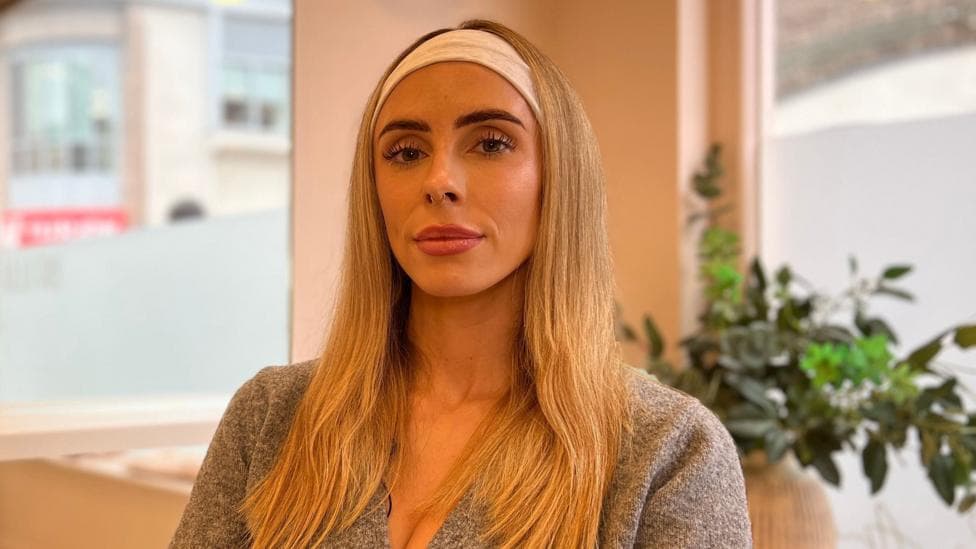
Meg Hamon credits a combination of physical activity and professional therapy with helping her overcome a period of excessive drinking and partying that had eroded her self-confidence. The turning point came as she approached her 30th birthday earlier this year, prompting her to reassess her lifestyle and seek meaningful change. According to BBC News, Hamon now hopes her experience might resonate with others facing similar struggles with substance use and social dependency.
Since making the decision to transform her habits, Hamon has pursued regular gym sessions and running alongside ongoing therapeutic support. She describes the combined approach as instrumental in rebuilding her confidence and addressing the underlying emotional issues that had driven her behaviour. Her willingness to share her journey publicly reflects a broader shift among younger people toward openness about mental health challenges and recovery.
The Pandemic's Toll and a Personal Crisis
Hamon's difficulties intensified during the Covid-19 pandemic, a period she identifies as particularly challenging. A significant breakup compounded her struggles, leaving her without healthy coping mechanisms to process the emotional pain. Rather than confronting these feelings directly, she found herself increasingly reliant on partying and alcohol as temporary escapes.
I think my lowest was Covid. I think that was like a struggle for everyone and I just had gone through quite a bad breakup. I was struggling with that and I just think I'd never really processed my emotion. I really neglected myself mentally and physically... but I just never really noticed how unhappy I was until I started to make a change.
For an extended period, Hamon remained unaware of the depth of her unhappiness. The cycle of partying and drinking had become so normalised that she failed to recognise the toll it was taking on her wellbeing until she committed to making deliberate lifestyle changes.
How Has Exercise Transformed Her Confidence?
Physical activity has emerged as a cornerstone of Hamon's recovery strategy, delivering tangible improvements to her mental state alongside physical benefits. She credits gym workouts and running with providing immediate relief during moments of low mood, creating a positive feedback loop that reinforces her commitment to the new routine.
Exercise has helped me massively with my confidence... If I'm ever feeling low, a good gym session will always help.
The psychological impact of regular exercise extends beyond temporary mood elevation. By establishing a structured routine centred on physical activity, Hamon has rebuilt a sense of agency and control over her life. The discipline required to maintain consistent workouts has translated into broader confidence in her ability to manage challenges and make positive choices.
What Role Has Therapy Played?
Therapeutic intervention has complemented Hamon's exercise regimen by addressing the emotional foundations of her previous coping patterns. Working with therapist Sally Agathangelou, she has developed healthier strategies for processing difficult emotions and managing stress. Hamon emphasises that while exercise alone has been transformative, the combination of physical and psychological support has proven most effective.
Even if I had just done the therapy – it would be incredible... but I think the exercise side has just helped me massively with my confidence.
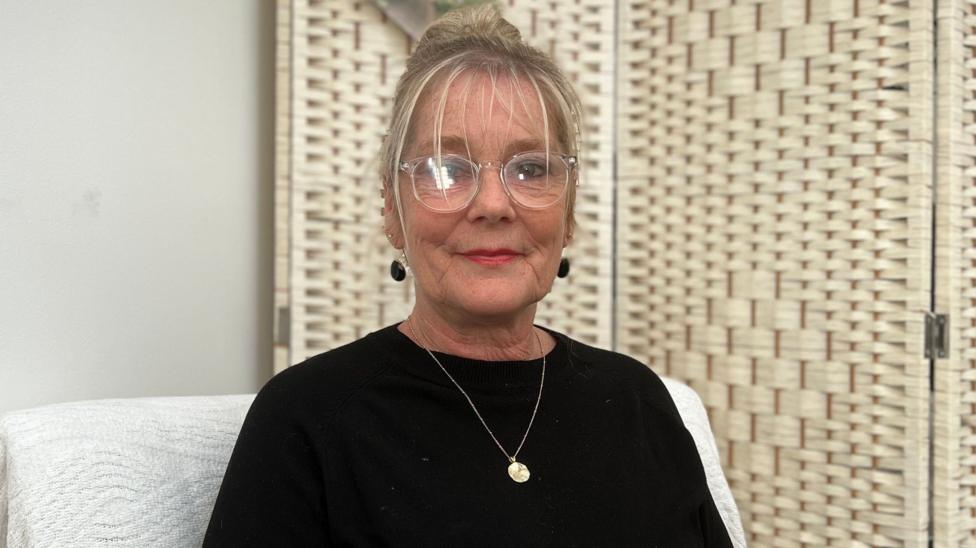
Agathangelou observes that substance misuse and other harmful coping mechanisms—including gambling, drug use, and self-harm—often serve as bridges for managing underlying emotional distress. She notes a generational shift in attitudes toward mental health support, with younger people demonstrating greater willingness to seek professional help than previous cohorts.
It could be various issues, it can be drinking, it can be gambling, it can be drugs, it can be self-harm - but it's all bridges for coping. I'm really quite proud of this generation because they are very open to therapy. I'm very, very proud of them because I can support, but it's down to them at the end of the day to make that change.
Why Is Hamon Sharing Her Story?
Recognising the isolation that often accompanies struggles with substance use, Hamon has begun documenting her recovery journey on social media. Her motivation stems from a desire to demonstrate that alternative paths exist beyond the cycle of excessive drinking and partying that had previously defined her social life.
If it inspires one person to make a change, then I think it's really important to do that as well. If you get stuck in the same cycle... I just think you can find so many other things to do than going out and just drinking excessively.
By making her experience public, Hamon aims to normalise conversations about recovery and demonstrate that meaningful change is achievable. Her story reflects a broader cultural movement toward transparency about mental health challenges and the various pathways to wellness.
How Does This Fit Into Broader Wellness Trends?
Hamon's experience aligns with growing recognition of exercise as a legitimate therapeutic intervention for mental health conditions. Community-based exercise initiatives across Jersey have similarly demonstrated the dual benefits of physical activity for both bodily and psychological wellbeing. The integration of structured exercise with professional mental health support represents an increasingly common approach to recovery from substance dependency and related issues.
The shift toward younger people embracing therapy and holistic wellness strategies suggests a cultural evolution in how recovery is conceptualised and pursued. Rather than viewing mental health challenges as shameful or insurmountable, this generation appears more inclined to seek multifaceted solutions combining professional support, lifestyle modification, and community connection.
Key Facts
- Meg Hamon's struggles with excessive drinking and partying intensified during the Covid-19 pandemic, following a significant personal breakup
- She committed to lifestyle changes as she approached her 30th birthday earlier this year, incorporating regular gym workouts, running, and professional therapy
- Hamon credits exercise with providing substantial improvements to her confidence and mental state, particularly during periods of low mood
- Therapist Sally Agathangelou notes that younger people demonstrate greater openness to seeking mental health support compared to previous generations
- Hamon is sharing her recovery journey publicly through social media to inspire others and demonstrate alternatives to substance-dependent coping mechanisms