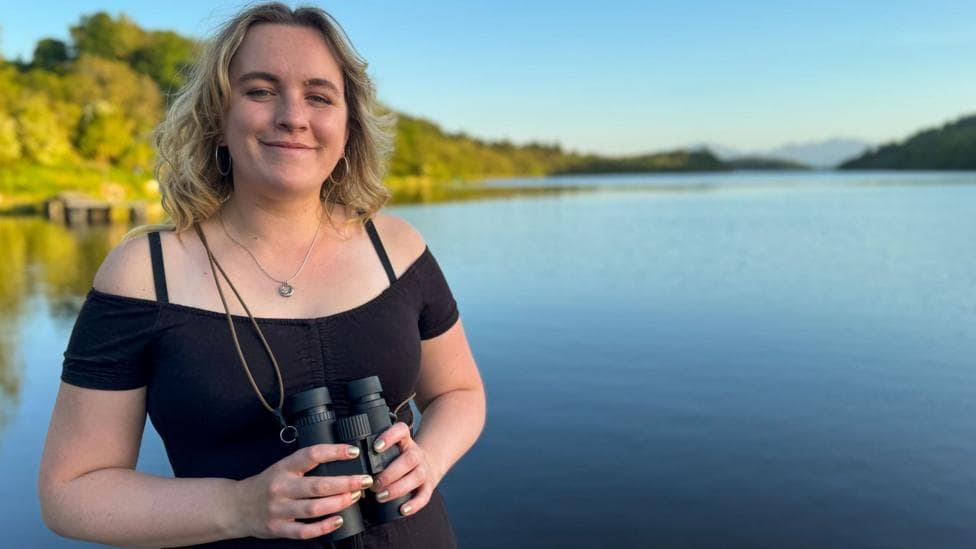
Caitlin Andrew, a Glasgow-based birdwatcher in her mid-20s, discovered an unexpected source of calm and connection during a difficult period in her life. Three years ago, while struggling with poor mental health as a student, she joined the rapidly expanding cohort of young people turning to birdwatching as both a hobby and a therapeutic practice. According to BBC News, the number of Gen Z enthusiasts aged 16 to 29 has surged dramatically, rising from an estimated 61,000 in 2018 to 724,000 today.
This story was first reported by BBC News.
What began as reluctant family outings in her teenage years transformed into genuine passion when Caitlin joined her parents for a holiday on Islay, the southernmost island of the Inner Hebrides. The island, renowned for its wild birds with more than 120 species visible during spring and autumn migrations, became the catalyst for her newfound interest. Rather than feeling the grumpiness she once associated with birdwatching, Caitlin discovered a profound sense of peace.
"Just taking time to look and listen and take in everything you are connected to the environment you are in,"she recalls of those early experiences. Her parents responded with delight when she requested binoculars for her birthday, marking her formal entry into the hobby.
Breaking Through Stereotypes and Finding Community
Initially, Caitlin felt isolated in her passion. Among her peers, she was the only person seriously engaged with birdwatching, and she harboured embarrassment about the pursuit.
"It is a stereotype, isn't it? It's associated with older people with a sedate life and picking it up in retirement,"she explains, noting that while she holds no negative views of older birdwatchers, the perception created a barrier to sharing her interest with friends her own age.
That sense of isolation dissolved when Caitlin produced a BBC Alba documentary about her hobby. She discovered an Inverness chapter of the Feminist Bird Club, a group founded in New York in 2016 to make birdwatching inclusive and welcoming. She also encountered female professionals and volunteers working in bird conservation, revealing a thriving community of young women in the field.
"In the birdwatching community, everyone is so friendly and happy to tell you they have something interesting in their scope or have seen something interesting,"she says of her experience.
The broader statistics underscore this growth. Research commissioned by the RSPB indicates that birdwatching in Britain has expanded significantly, with overall participation rising 47% since 2018. Among the 16 to 29 age group, the increase has been even more dramatic, with a reported rise of 1,088% over the same period, according to data cited by The Week. The total number of birdwatchers in Britain now exceeds four million, up from 2.7 million eight years ago.
Mental Health and the Science of Birdwatching
The mental health benefits Caitlin experienced align with emerging research on human-bird interactions. A 2026 systematic review assessing 196 studies found that birdwatching, birdsong and everyday contact with birds were associated with better psychological wellbeing, according to findings reported in Vogue Germany. However, the intensity of engagement matters: a study of 388 birdwatchers in Poland revealed that people who felt especially interested in birding and considered it important in their lives were more likely to report psychological restoration than skilled birders who were less enthusiastic, according to research cited by BBC Future.
Beyond mental health, birdwatching appears to influence brain structure itself. A BBC Future report published in October 2026 describes research linking birdwatching expertise with differences in brain structure and function, though the findings do not establish that birdwatching prevents cognitive decline. The practice engages multiple cognitive systems simultaneously—visual attention, auditory processing, memory and pattern recognition—creating a form of active mental engagement that may contribute to its therapeutic effects.
Finding Meaning in Seasonal Rhythms
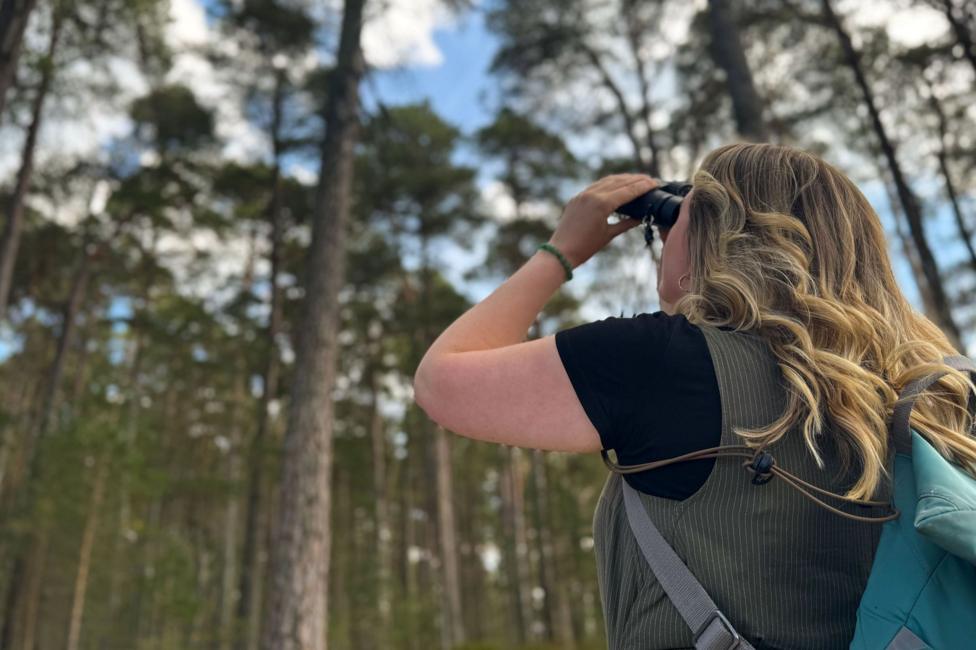
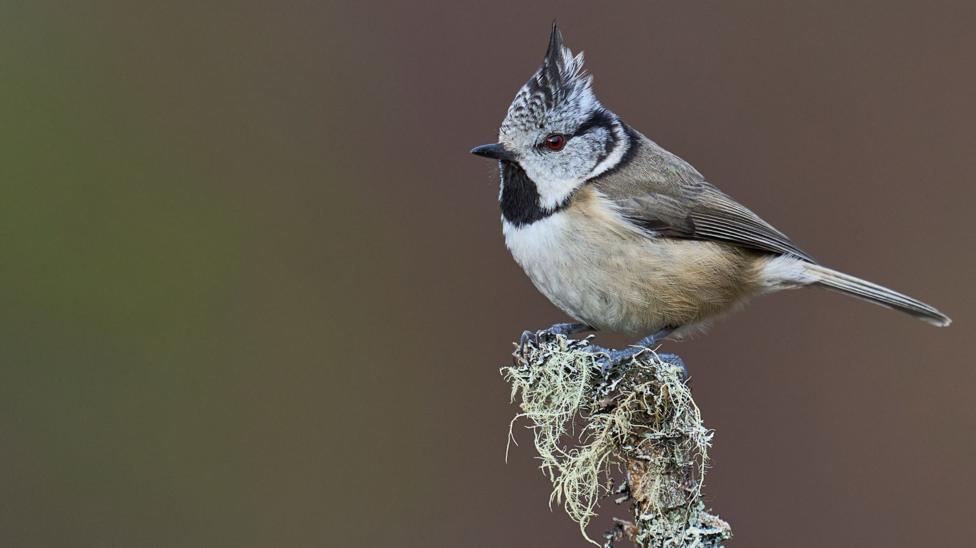
Caitlin's favourite species include crested tits, rare birds found in native pine forests in parts of the Scottish Highlands, Moray and Aberdeenshire.
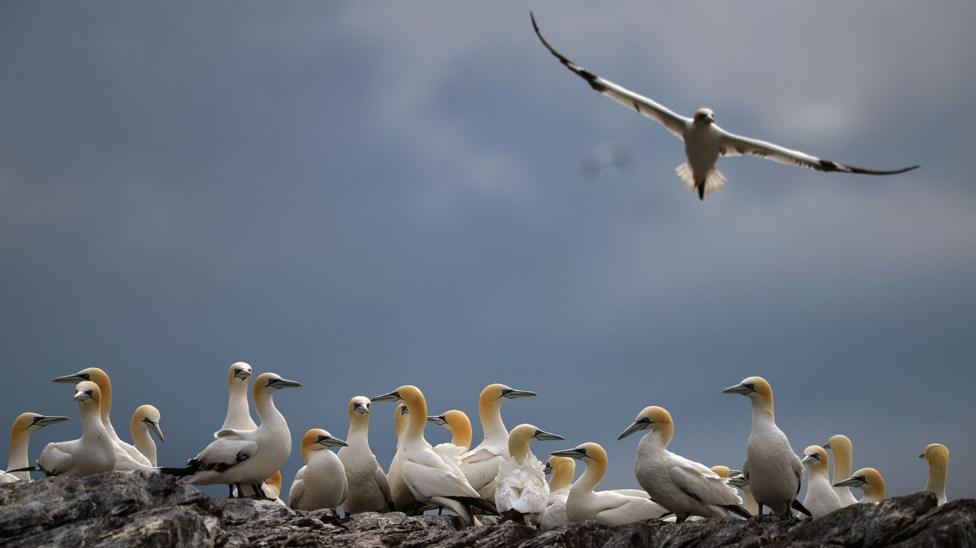
"I love seeing crested tits in the Cairngorms. They are rare, so its a special thing to see them,"she says. She also treasures sightings of gannets, which she describes with admiration:
"They are big and so powerful. They're like dinosaurs."
Beyond individual species, Caitlin values how birds mark the passage of time and seasonal change.
"When you start to hear a chiffchaff in maybe March or April you know spring is coming, and that is really exciting,"she explains.
"And then when coming into winter there are redwings and fieldfares. It feels like these creatures are giving you pointers that things are changing, and it's lovely to connect to that."
Perspective in a Turbulent World
For Caitlin, birdwatching offers more than immediate mental health benefits—it provides existential perspective.
"Life can be so turbulent. Things go and down and you never know what's coming - the political nonsense and all the rest of it,"she reflects.
"And these little animals, they are just all about finding food, raising babies, fledging their young and then doing it all again - they're just trying to survive. It does make your problems feel very small."
This shift in perspective mirrors broader trends among young people seeking alternatives to digital overwhelm. As documented in earlier coverage, thousands of Gen Z individuals are abandoning endless social media scrolling for outdoor pursuits like gardening and birdwatching, finding community, mental health benefits and a sense of control in the process. The growth of birdwatching apps and identification tools has further democratised the hobby, making it accessible to newcomers without requiring years of field experience or expensive equipment.
The international picture reinforces this momentum. The US Fish and Wildlife Service reported 10.8 million birders aged 16–24 in 2022, up from 4.7 million in 2016, indicating that the Gen Z birdwatching surge is not confined to Britain but represents a global cultural shift toward nature-based wellbeing practices.