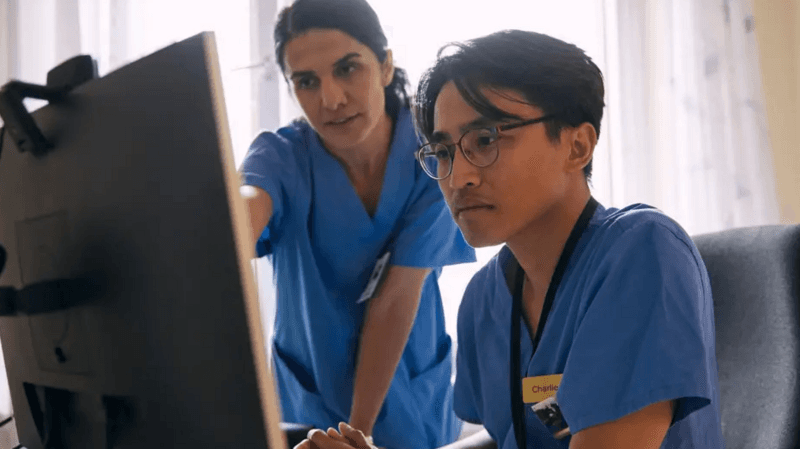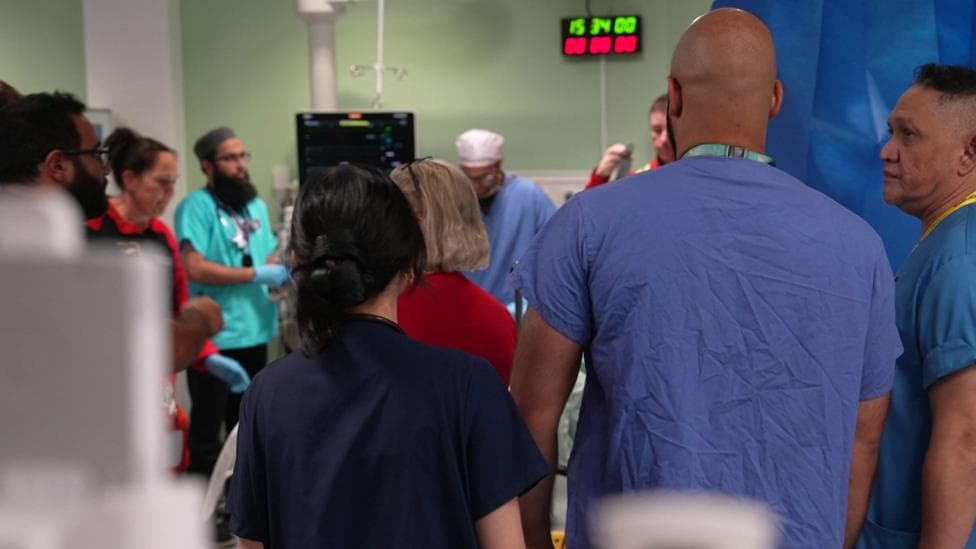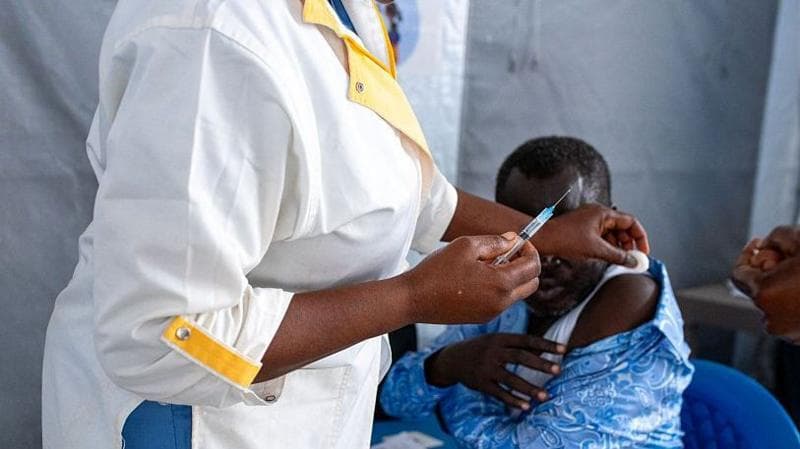
A nurse has been fatally attacked and a colleague seriously wounded while responding to an Ebola alert in north-eastern Democratic Republic of Congo, prompting international condemnation and renewed concerns about violence against health workers combating the outbreak.
The assault took place on Saturday in Bafwasende, Tshopo province, where local youths targeted the two workers, accusing them of contaminating water sources and spreading Ebola, according to reporting from BBC News. UN Senior Ebola Response Coordinator Julien Harneis called for a thorough investigation into the incident, while WHO Africa regional director Dr. Mohamed Yakub Janabi also condemned the attack. Local authorities had not commented on the incident or identified suspects as of 26 October.
The World Health Organization issued a statement emphasizing that health workers must be protected. WHO Director-General Tedros Adhanom Ghebreyesus said personnel responding to the outbreak
must be able to carry out their duties in safety and dignity, and the agency extended condolences to the nurse's family and colleagues while wishing the injured worker a swift recovery.
How widespread is the outbreak?
The Bundibugyo virus outbreak, declared on 15 May 2026, represents the Democratic Republic of Congo's 17th Ebola outbreak since the virus was identified in 1976. More than 4,800 people have died and nearly 10,000 have been infected across the country since the outbreak began. According to WHO's October 25 update, the outbreak has reached eight provinces: Bas-Uélé, Haut-Uélé, Ituri, North Kivu, South Kivu, Sud Ubangi, Tshopo and Nord-Ubangi. WHO has described the Bundibugyo virus outbreak as the deadliest Ebola outbreak in the DRC's history, and there is currently no approved vaccine for this strain.
Why are neighbouring countries implementing restrictions?
Uganda has announced strict new measures to prevent the virus entering its territory, banning all non-essential travel to and from DR Congo and requiring citizens returning from there to undergo 21 days of quarantine at their own cost. Only essential travellers, including aid workers, truck drivers and security personnel, will be permitted to cross the border from DR Congo to Uganda, subject to rigorous health screening.
These restrictions follow the discovery of cases in Kenya and Nigeria earlier in October, both linked to the current outbreak. A Kenyan businessman who had travelled from DR Congo tested positive for Ebola and died two days after arriving in Nairobi; Kenya has since confirmed eight other cases, including a second woman related to the businessman who died over the weekend. The patient in Nigeria, a Ugandan-born woman married to a Swiss diplomat, was evacuated to Switzerland for treatment on Monday. She had travelled to Uganda for a holiday before testing positive, though she remained stable, conscious and able to communicate according to Nigeria's health ministry.
Both patients passed through Uganda's Entebbe airport on the same day. Diana Atwine, Uganda's health ministry permanent secretary, stated that CCTV footage showed no physical interaction between the two individuals. Ugandan officials initially said the Nigerian patient had only transited through Uganda while travelling to eastern DR Congo, but on Sunday the health ministry said Uganda and Nigeria were jointly working to establish her complete movements, travel history and possible routes of exposure.
All travellers entering Uganda, regardless of their country of origin, will now be required to complete locator forms to facilitate contact tracing where necessary. About 60 people who were being monitored after coming into contact with the Kenyan patient have all been discharged.
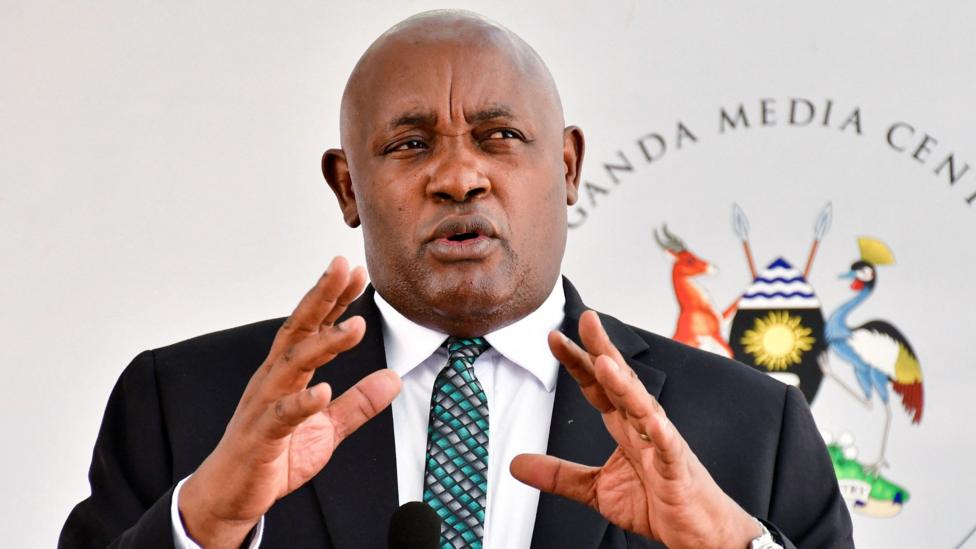
Uganda's Health Minister Chris Baryomunsi told the BBC that
all these are measures to ensure that we keep Uganda free of Ebola. He emphasised that the recent cases demonstrated the risk had not ended and underscored the need to
remain vigilant.
We share a border with [DR Congo], where transmission continues, and our communities remain closely connected through trade, travel and family ties, Baryomunsi said.
What is the history of Ebola in Uganda?
Uganda recorded 20 Ebola cases and two deaths shortly after the outbreak began in DR Congo, but the World Health Organization declared the country free of the disease in August. The country's swift response and declaration of disease-free status made the subsequent detection of two cases who had transited through the country particularly concerning for regional health authorities.
What challenges are hindering the response?
Violence against health workers represents a significant obstacle to controlling the outbreak. WHO has reported that insecurity and attacks on health facilities have restricted response teams' access and disrupted surveillance and response work, complicating efforts to contain transmission and identify new cases.
The disease spreads from one person to another through contact with infected bodily fluids such as blood or vomit. The Bundibugyo species of Ebola behind this outbreak is relatively rare, and while there is still no approved vaccine or specific treatment, trials are currently underway.
What happens next?
According to WHO's October 25 update, authorities are intensifying contact tracing and monitoring in affected districts and border areas, while reinforcing infection-prevention measures in health facilities. The international response continues to focus on containing the outbreak while protecting healthcare workers from violence and ensuring they can operate safely in affected regions.