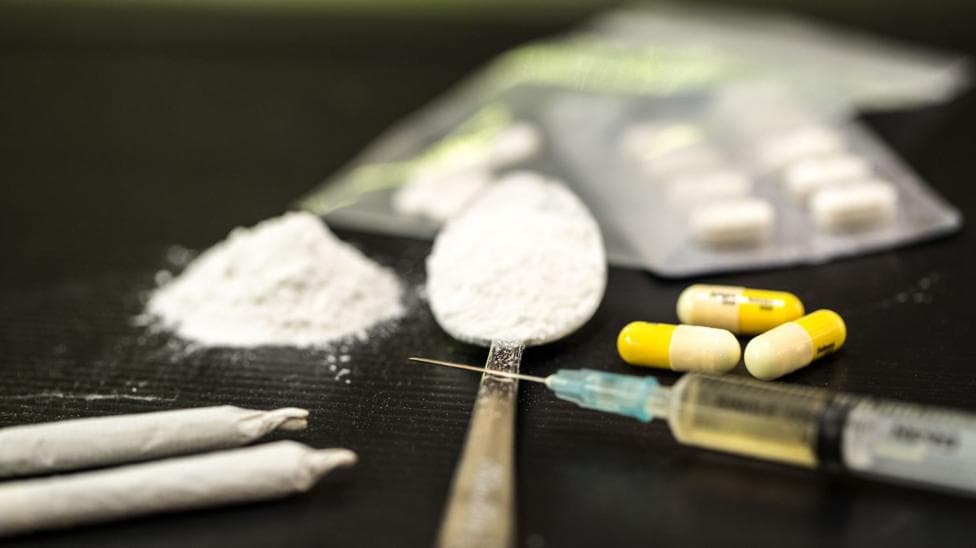
More than a third of deaths among former prisoners supervised by probation services in Wales during 2024-25 were drug-related, according to research published by the Wales Governance Centre at Cardiff University. The proportion significantly exceeds the rate across England and Wales combined, where drug-related deaths represented just over a fifth of fatalities in this population. According to BBC News, the centre is calling on politicians to address what it describes as "systematic failures" in the criminal justice system.
The research, led by Dr Robert Jones, examined UK government data including Freedom of Information requests to establish that 37% of the 52 deaths recorded among Welsh probation-supervised prison leavers in 2024-25 involved drugs. Of these, 19 deaths were classified as drug poisonings where the intent remained undetermined—a figure substantially exceeding the equivalent proportion of 21% (131 out of 620 deaths) recorded across England and Wales as a whole.
The findings arrive amid broader concerns about prisoner welfare. HM Inspectorate of Prisons has previously warned that cuts to education and training in prisons are linked to rising drug use, self-harm, and violence, while MPs have warned that overcrowding and staffing shortages in Welsh prisons threaten safety and rehabilitation.
National figures underscore the scale of the drug-related mortality challenge. Public Health Wales' 2025 annual report recorded 417 drug-poisoning deaths across Wales in 2024, up 10.6% from 2023 and the highest number recorded to date. However, harm-reduction interventions are expanding: take-home naloxone was supplied on release from prison 500 times in 2024, a 107.5% increase on the previous year, and naloxone was reportedly used in 307 drug-poisoning events in 2024, with fewer than five deaths reported in those events.
What does the research reveal about systemic issues?
Dr Jones identified a critical gap in policy attention. He stated that the research pointed towards "systematic failures with incredibly tragic circumstances and consequences," yet observed that
"there isn't really a particular debate or discussion ongoing at the moment about these deaths, and indeed their causes, and how we might actually find a solution to them."
Jones highlighted a structural problem in how criminal justice and devolved services interact in Wales. While the Welsh government controls social policy areas including substance use, housing, education, and local government, criminal justice remains under Westminster control. This creates a governance gap where
"criminal justice matters can often fall between the gaps between debates in the Senedd and debates in Westminster."
The report raises fundamental questions about devolution powers. Jones argued that the findings demonstrate
"important questions about the current devolution settlement and whether the Welsh government has the powers and levers necessary to address the underlying causes of many of the challenges facing Wales."

How is homelessness among released prisoners changing?
Homelessness among former prisoners in Wales is deteriorating sharply. The number of people leaving prison under Welsh probation supervision who were recorded as rough sleeping on the day of their release rose by 24% in 2025-26, reaching 695 individuals. This represents a continuation of a troubling trend: 500 people managed by Welsh probation services were rough sleeping after release in 2023-24, a 51% increase on the previous year.
David Bennett, chief executive of Wallich, Wales's largest homelessness charity, emphasised the interconnection between housing, health, and justice outcomes. He argued that most drug-related deaths
"are preventable if we treat drug use as a health, not criminal justice, issue"and stressed that
"housing, health and justice need a joined-up approach."Bennett contended that without coordinated support, prison leavers were
"being set up to fail,"and added that
"the war on drugs hasn't worked."
What other disparities does the report identify?
The research reveals significant gender and ethnic disparities in the criminal justice system. More than a third (39%) of all custodial sentences imposed on women in Wales in 2025 were for offences related to thefts from shops, highlighting the gendered nature of offending patterns and sentencing outcomes.
Ethnic representation in the prison population remains starkly unequal. People from black ethnic groups in Wales remained the most overrepresented ethnic group in the prison population in 2025, with 58 black people from Wales imprisoned for every 10,000 of the population, compared with 15 white people per 10,000 of the population.
What are the government responses?
The Welsh government acknowledged the severity of the situation, stating that
"every drug-related death is a tragedy."A spokesperson said the government was
"working closely with health boards, local authorities, Public Health Wales and other key partners to reduce the harms caused by substance misuse, focusing on early intervention, prevention, treatment and recovery support."
The Welsh government used the findings to reinforce its long-standing position on devolution. A spokesperson stated that the results
"strengthen the case for the full devolution of justice to Wales"and argued that
"bringing responsibility for justice into line"with devolved services
"would enable a more effective and joined-up approach to improving outcomes, reducing reoffending and building safer communities across Wales."
The UK Ministry of Justice defended its record, stating:
"We inherited prisons in crisis but we're acting on all fronts, including by reducing the number of women in custody through investment in community services and cutting the flow of drugs into prisons."The ministry noted that it invests more than £3.4 million in services across prisons, probation, and courts to support prison leavers in overcoming addiction, and that prisoners at risk of homelessness can be offered temporary accommodation by the prison and probation service.
What happens next?
The Ministry of Justice's next publication of deaths-of-offenders-supervised-in-the-community statistics is scheduled for October 2026, which will provide updated figures on mortality trends among this vulnerable population. The findings from this report are likely to intensify debate around the devolution of criminal justice powers to Wales and the integration of substance misuse treatment with criminal justice responses.
Dr Jones concluded by emphasising the need for urgent action:
"Only by confronting the realities highlighted throughout this report can politicians and policymakers hope to overcome the many challenges facing communities across Wales."