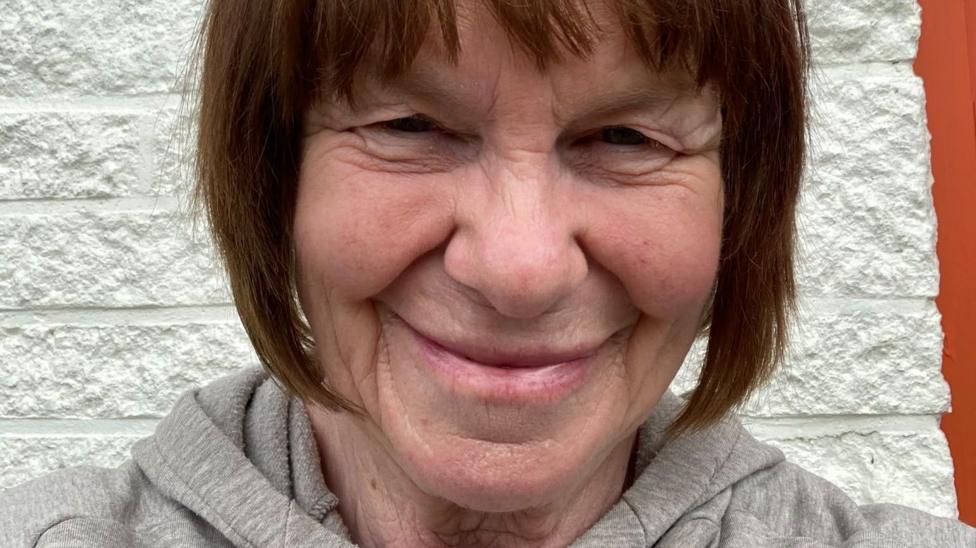
Barbara Scott found solace in her son Oliver McNeil Scott's decision to donate his body to medical science after he died from colorectal cancer in April 2025 at the age of 48. According to BBC News, Oliver's body was transferred to the University of Edinburgh's medical school, where it will serve as what medical professionals call a "silent teacher" — helping train anatomy students and advance surgical techniques. Barbara, from Lenzie in East Dunbartonshire, had herself signed up for body donation fifteen years earlier, and her son followed suit five years before his death.
Every year, the donated bodies at Edinburgh's medical school contribute to the education of more than 1,000 anatomy students. Despite forgoing a traditional funeral, Barbara has drawn considerable comfort from Oliver's final contribution to medical science and the support provided by the university's anatomy team.
Who were the silent teachers?
The term "silent teachers" refers to individuals who donate their bodies to medical education and research. At the University of Edinburgh, one of five Scottish universities accepting body donations, approximately 200 people have been taken into care over the past five years, with 4,000 currently registered for donation. The university commissioned a new composition titled *Silent Teachers* by Scottish Chamber Orchestra Associate Composer Jay Capperauld, which premiered in November 2026 as part of the institution's 300th-anniversary programme for medicine.
Tom Gillingwater, head of the anatomy department, emphasises the irreplaceable value of body donors. He explained that proper medical education requires direct engagement with real human anatomy — the ability to observe, touch, and examine what lies beneath the skin.
"The only way that someone could properly have that experiential engagement with what lies inside the body, with what is the true anatomy of the body, is if they are able to look at, touch, and engage with a real body,"Gillingwater said.
"These are our silent teachers."
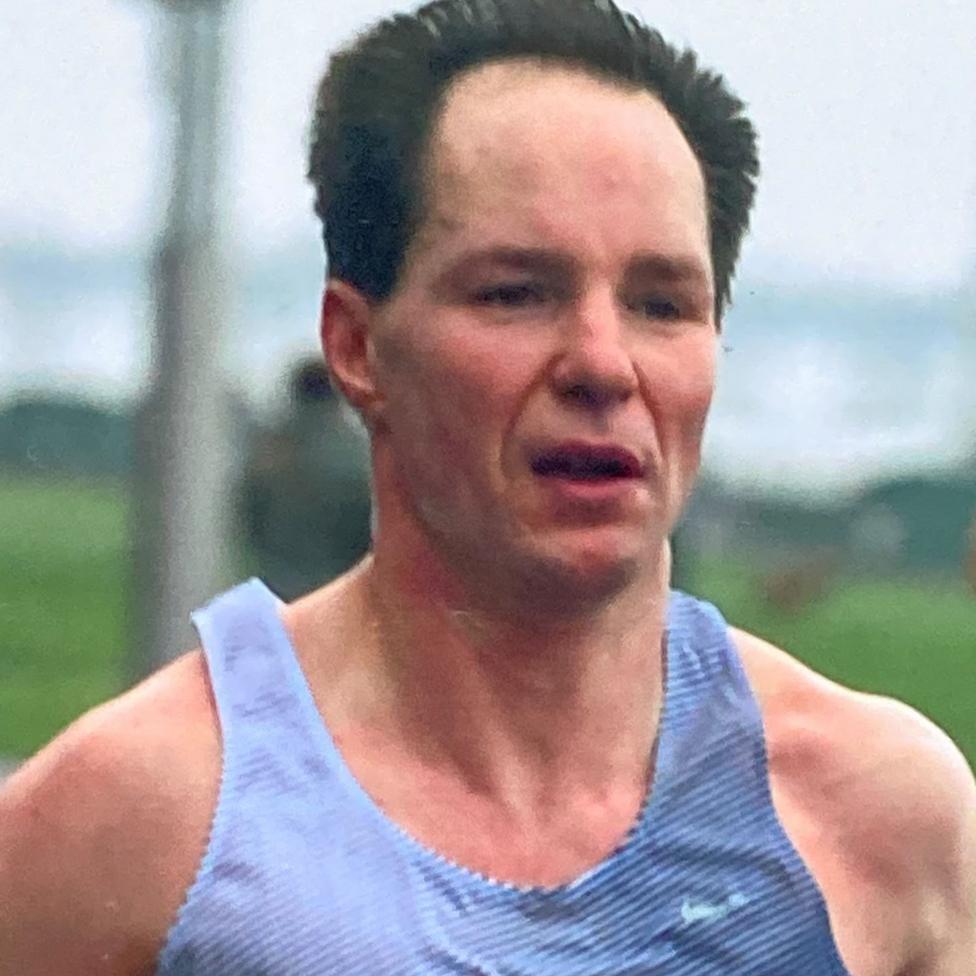
Oliver, a regular marathon runner, had previously been diagnosed with Ramsay Hunt syndrome, a rare neurological disorder caused by the same virus responsible for chickenpox and shingles, which affects the facial nerves. When colorectal cancer developed, it strengthened rather than diminished his resolve to support medical advancement. Barbara recalled her son's determination:
"He always wanted to do the best he could, and even during his illness, he researched all the new cures."She noted that Oliver had identified a promising treatment from America but unfortunately did not survive long enough to receive it.
"He knew how important research is and hopefully in 10 years his cancer will be very treatable, which was important for him."
How are donor bodies cared for?
Following Oliver's death, his body was transported from the Royal Infirmary of Edinburgh to the university's medical school. Laura Shiels, the anatomy bequest co-ordinator, and her team of technicians oversee the dignified and respectful treatment of every donor. Barbara found the transition reassuring.
"After Oliver died, it was really quite a shock to us. But when Laura took this on and explained to us all what was going to happen with Oliver, it was so nice."
Since Oliver's arrival in April 2025, Barbara has made frequent visits to the anatomy department to feel connected to her son.
"It's just a lovely thing to sit here and think about him and about what a special thing he's done,"she said.
"For Oliver, it is really life after death because he is facilitating students to find out more in the future about what's happened to him, how they can move forward. It's really, really important."
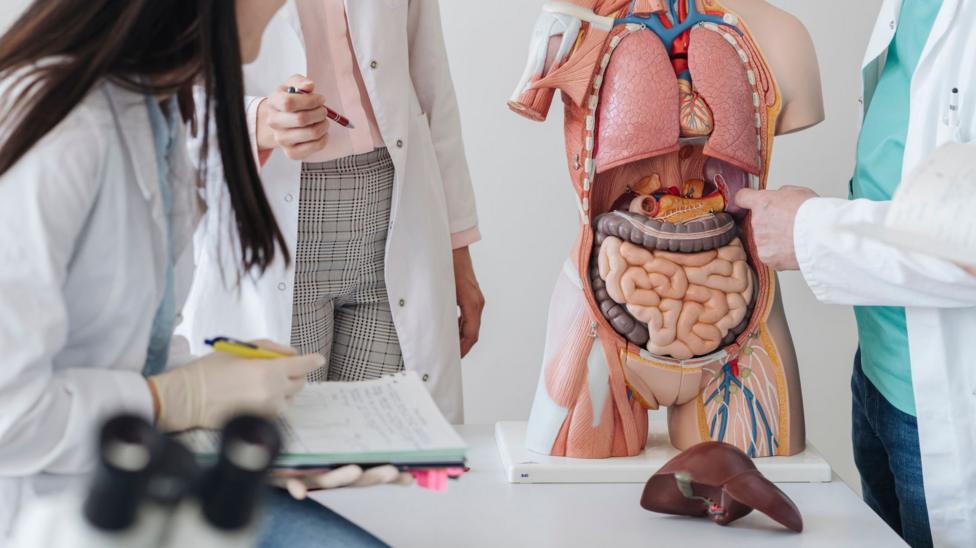
The anatomy department retains donated bodies for up to three years, during which they serve multiple educational purposes. Beyond teaching anatomy to medical and biomedical students, the bodies enable practising surgeons — including some from overseas — to develop and refine new medical procedures. A 2006 change in Scottish law expanded the use of donated bodies to include not only teaching but also medical research and surgical training. After three years, the bodies are cremated in the Borders.
What comfort do families find in the process?
John Green's parents, Alexandria and John, also donated their bodies to the university. John initially struggled to understand the decision.
"The first time I heard about silent teachers was when my mother told me there were not going to be funerals because they were leaving their bodies to medical science,"he recalled.
"I think at the time it never really registered."After his mother died from cancer in October 2024, John discovered the signed donation document. He speculated that his parents' choice may have reflected a preference to spend their retirement living rather than saving for funeral expenses.
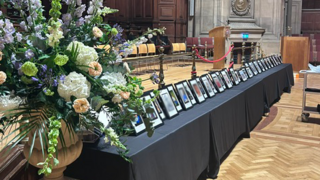
The university's anatomy department organises an annual memorial service each April, attended by approximately 500 relatives, friends, medical students, and staff. The service provides families with an opportunity to honour their loved ones and mourn together. The names of all donors who entered the university's care that year are read aloud, and families contribute photographs of their relatives.
When John attended the April 2025 service to honour his mother, he was overwhelmed by the scale of the gathering.
"I was expecting to see maybe 30, 40 people and we'd sit and have a cup of tea and whatever. To turn up and see how massive this was and how many people attended, it blows you away. I certainly did not expect something as big as that."
John's father died shortly before the service, creating an unexpected moment of closure.
"I got the phone call to say that my dad was going to be delivered to the university on the same day as the service,"John explained. Laura Shiels ensured the family's wishes were honoured.
"We made a promise to this family that they would be together where possible in the departments that we have them together, and we'll cremate them on the same day."John found comfort in this arrangement, though he acknowledged lingering difficulty with the extended timeline.
"There is that part where there's no closure. They've not gone yet, even though they're dead. I don't know how I'll be once I get that phone call from Laura to say 'they were cremated yesterday'."
A particularly meaningful element of the service is the display of photographs submitted by families, showing their loved ones in life rather than at the end of illness. Laura observed the emotional significance of this practice.
"When you see them end of life and they've obviously been ill, it's actually so nice to see pictures being sent in when they are well and happy and with family,"she said. At the most recent service, Laura positioned a photograph of John's mother beside one of his father, who was being honoured that year. John described the impact:
"When you walk up to the front and say 'right, where's my dad's picture?' and there's my mother beside him, you're like: 'Wow'. It then kind of hit home thinking 'this is the end', because I'm getting to say goodbye to both of them at the same time. That was like a closure in my mind."
What is the musical tribute?
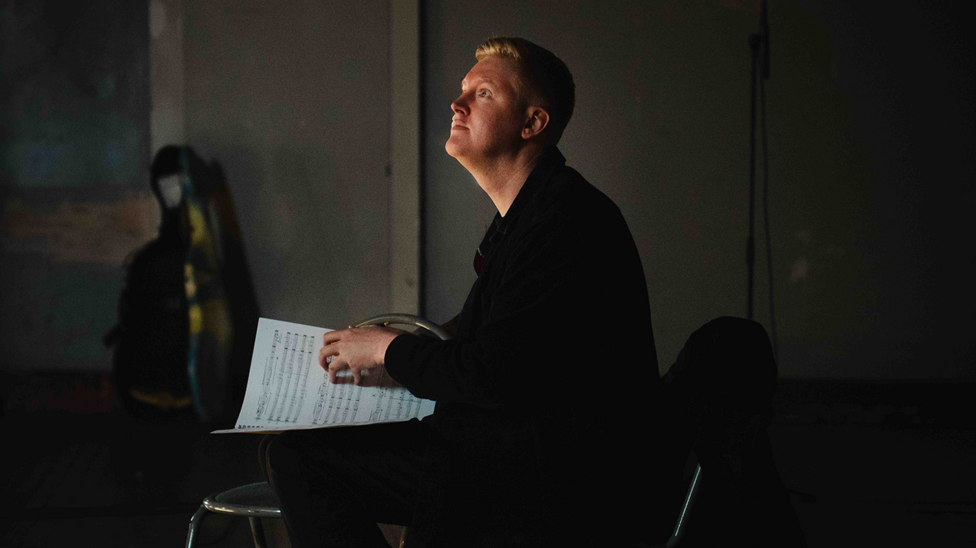
In collaboration with the Scottish Chamber Orchestra, composer Jay Capperauld was commissioned to create a musical work honouring the silent teachers. The composition is written for clarinet and string quartet, with excerpts intended to become part of the medical school's annual memorial service. Capperauld reflected on the emotional journey of donor families.
"It might be a three-year-long process before those families have been able to say a real and proper goodbye to their loved ones. I hope the legacy of this piece within the service of thanksgiving will be a moment of musical reflection and a real release of all of those emotions that may have been building up over those three years."
Barbara Scott described Oliver's decision to donate his body as the best outcome to emerge from their shared experience. She found the memorial service profoundly moving.
"For me personally it was much, much more emotional than having a funeral. It was for all the other families, and they were going through the same thing. They made you feel that this gift was very special."
When is the next memorial service?
The university's annual memorial service for donor families, friends, students and staff takes place in April, with excerpts of the new composition planned for the service. The musical tribute will provide families with a moment of reflection and closure as they honour those who have chosen to become silent teachers.