Wellness has evolved into a mainstream concept, yet it frequently carries an intimidating financial burden. Luxury spa retreats, exclusive sound bath experiences in upscale hotels, and wellness programmes costing thousands of pounds remain out of reach for many. However, pursuing genuine wellbeing does not require significant spending.
Across the UK, health professionals, entrepreneurs and wellness advocates are demonstrating that meaningful self-care and mental health improvements are achievable through low-cost or completely free approaches. The following strategies offer practical entry points into wellness without straining finances.
How can you access wellness activities without expensive studio memberships?
Community-organised wellness gatherings have emerged as a popular alternative to costly studio fees. These informal groups typically advertise through local social media networks and dedicated platforms such as Meetup, making them accessible to anyone seeking affordable wellness experiences.
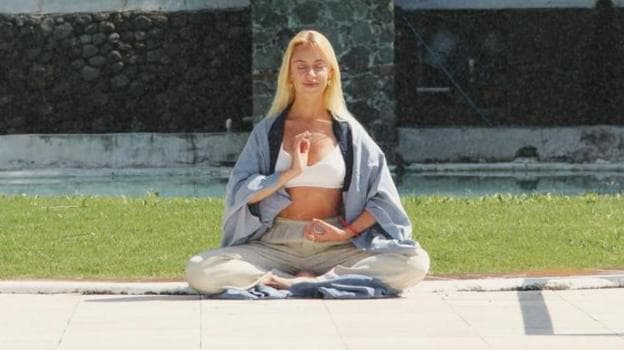
Yoga instructor Anastasiia Mirraslavska operates a London-based gathering known as Sunday Reset, which convenes monthly in different city parks for group yoga and meditation sessions. The initiative also offers online meditation classes via Zoom, with some sessions available at no cost and others priced around £10 per person.
I wanted to create a space where people could experience [yoga and meditation] in a simple and accessible way, Mirraslavska explained.
Similar initiatives are spreading to other cities. In Liverpool, model Erica Correa has established Soft Sunday, a regular gathering where participants engage in curated wellness experiences such as pilates classes followed by beauty treatments. Correa emphasises that her approach prioritises intention over expenditure.
Everything about Soft Sunday is intention over expense. Wellness is more about the decisions that you make in life, how you protect your time.
Currently operating on an invitation basis, Correa intends to expand access to a broader audience in the coming months.
What are the proven benefits of gardening for wellbeing?
Gardening offers substantial physical and mental health advantages without requiring significant financial investment. Research from the Royal Horticultural Society demonstrates that people who garden daily report wellbeing scores 6.6% higher and stress levels 4.2% lower than those who do not garden.
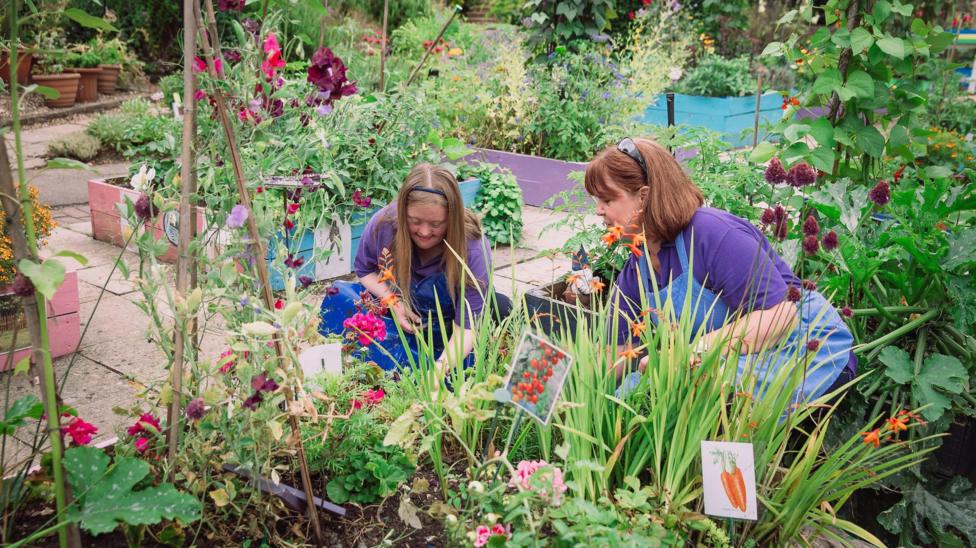
For those without private garden space, councils throughout the UK provide allotments available for rent at modest annual fees. Community gardens present another accessible option, welcoming volunteers at no charge whilst providing tools and equipment. These spaces can be located through the Good to Grow map or the RHS website.
Thrive, an organisation dedicated to using gardening as a health intervention, emphasises that community gardens extend far beyond plant cultivation. According to Damien Newman, Thrive's training, education and consultancy manager, these spaces deliver
the opportunity to be engaged in gardening and connect to a welcoming social group. He further noted that gardening benefits individuals
across our holistic health spectrum, good physically, cognitively, socially, psychologically and emotionally.

The RHS plans to launch its Wellbeing Garden Blueprint in spring 2026, summarising scientific evidence on how gardens support wellbeing. This resource will include practical activities such as 10-20 minute pause-and-observe sessions, sensory walks, wildlife observation, and nature journaling. Additionally, the organisation's next and final NHS Wellbeing Garden is scheduled for Oldham Hospital in autumn 2026.
Which traditional hobbies are experiencing renewed popularity for wellness?
Activities once dismissed as outdated are attracting new participants seeking inexpensive wellbeing improvements. Birdwatching requires minimal investment beyond a visit to a local park, with numerous local groups and online communities operating throughout the UK. The RSPB website provides directories of birdwatching groups by region.
Research indicates that merely 30 minutes of birdwatching can enhance happiness, strengthen overall wellbeing, and deepen feelings of connection to the natural environment.
Crochet has similarly resurged in popularity and demands only a small initial outlay—a hook and yarn ball suffice to begin. Scientific investigation has connected crochet practice with improved wellbeing, with participants reporting that the activity helped them manage stress, grief, chronic illness, and other significant life challenges.
What outdoor exercise options require minimal or no cost?
Maintaining physical fitness does not depend on gym membership. Numerous alternatives exist for building strength and endurance without substantial expense.
Bodyweight training, also termed calisthenics, employs exercises such as push-ups, squats, and pull-ups using only one's own body weight. This approach requires minimal equipment and can be performed at home or in local parks whilst developing strength, flexibility, and coordination.
Running participation has expanded significantly, with approximately 7.1 million adults now engaging in the activity—representing an increase exceeding 500,000 participants over the past year. Many runners join local running clubs or train independently.
The NHS Couch to 5K programme offers a free nine-week structured plan designed to progressively build fitness and enable participants to run five kilometres without stopping. Upon completing this programme, participants can join one of nearly 1,500 free parkruns held throughout the UK each weekend, with locations available through the Parkrun website.
How can sound baths provide affordable relaxation experiences?
Sound baths involve practitioners playing crystal bowls, Tibetan bowls, gongs, and chimes in therapeutic patterns to induce relaxation and meditative states. In-person sessions often carry substantial costs or limited availability in many regions.
Accessible alternatives exist through recorded sound bath sessions available on YouTube and Spotify, allowing individuals to recreate the experience within their homes. Certain meditation applications incorporate sound options, though some require subscription fees.
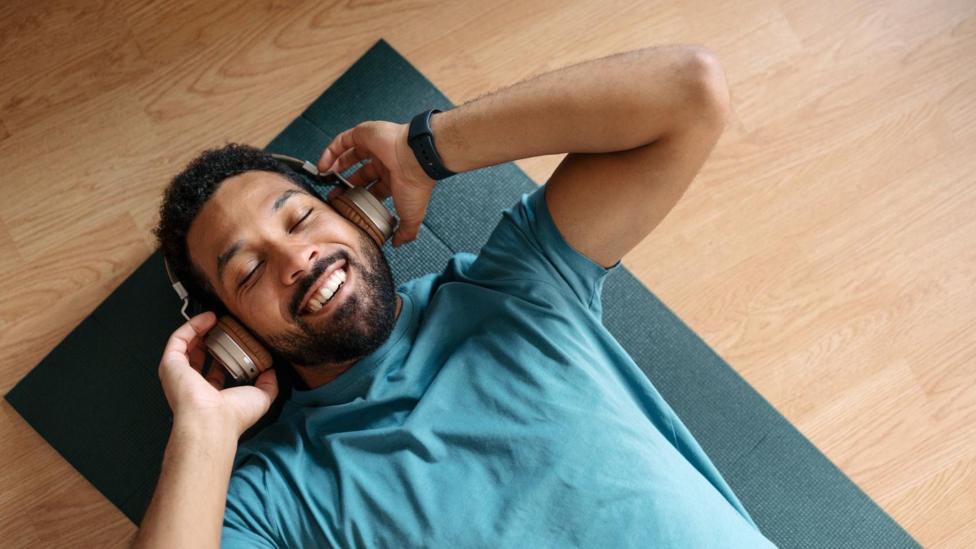
Lyz Cooper, founder of the British Academy of Sound Therapy, acknowledges that online recording quality varies considerably but emphasises that quality options exist. She recommends selecting recordings created by experienced practitioners or established organisations.
If you wear over-ear headphones, lie down, close your eyes and make sure you are in a place where you're not going to be disturbed, the therapeutic benefits of listening are potentially very good, Cooper stated. She concluded by noting that
ultimately, the most important thing is that people find an approach they'll genuinely use.
Key Facts
- Community wellness meetups organised through social media and platforms like Meetup offer free or low-cost alternatives to expensive studio memberships
- Daily gardening is associated with wellbeing scores 6.6% higher and stress levels 4.2% lower than non-gardening, according to RHS research
- Traditional hobbies including birdwatching and crochet require minimal investment whilst providing documented mental health benefits
- Free outdoor fitness options range from bodyweight training to nearly 1,500 free parkruns held weekly across the UK
- Recorded sound bath sessions on YouTube and Spotify offer affordable alternatives to expensive in-person wellness experiences