Senior psychiatrists have issued a formal apology for decades of mismanagement and misdiagnosis affecting adults who experienced childhood sexual abuse and later sought mental health support through the NHS, the Royal College of Psychiatrists has announced.
The college's report, shared with the BBC, documents how treatment has frequently been inappropriate, with patients re-traumatised by repeated assessments and histories being taken without always being believed. For some survivors, the experience of seeking help has worsened their original trauma.
Dr Lade Smith, author of the report and immediate past president of the college, expressed regret that victims have too often suffered
"avoidable harm when seeking help"from mental health services. She emphasised that the failing extends beyond psychiatrists alone to encompass the entire mental health system.
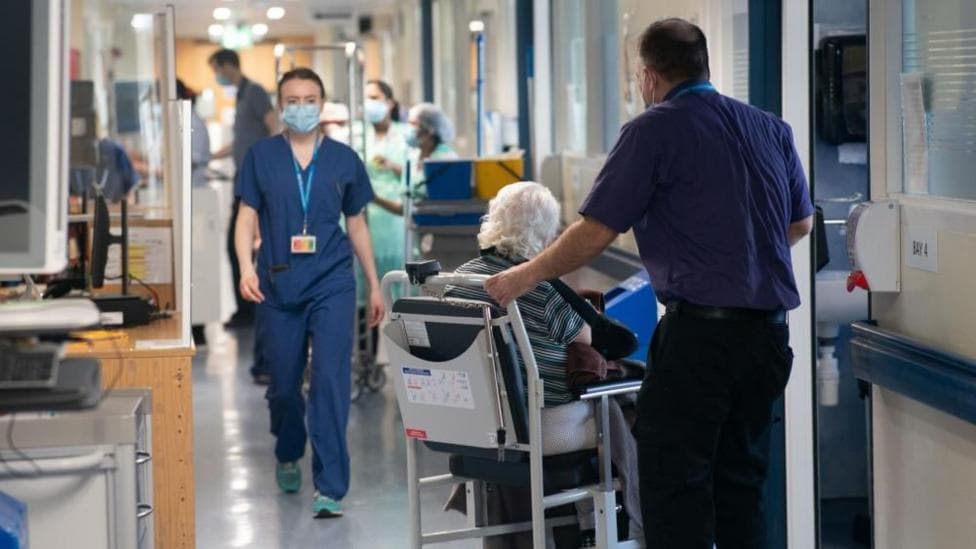
The core problem, according to the college, is that mental health staff have concentrated too heavily on treating symptoms rather than investigating how past traumatic experiences continue to affect patients in adulthood. Services remain underfunded and fragmented, leaving professionals with insufficient time to build therapeutic relationships with survivors.
This apology follows a formal review conducted by a working group of experts, doctors and abuse survivors, established after mental health services experienced a significant rise in people coming forward for help over the past decade. That increase has been linked to high-profile abuse scandals involving schools, children's homes and religious institutions, as well as the crimes of Jimmy Savile.
According to the Royal College of Psychiatrists, a 2024 investigation uncovered nearly 20,000 complaints of sexual assault, abuse and harassment across 38 mental health trusts in England since 2019, with fewer than 5% referred to police.
How widespread is childhood sexual abuse?
Estimates suggest nearly one in ten adults in England and Wales experienced abuse during childhood. Such trauma significantly increases the risk of mental health problems, including alcohol and drug misuse, eating disorders, self-harm, complex post-traumatic stress disorder, anxiety and depression.
Many survivors struggle to disclose their experiences. Around two-thirds of those abused as children have not disclosed it to services by adulthood. One in five never disclose at all, and many of those who do speak out take decades to do so.
Why are current services failing survivors?
Dr Smith outlined the systemic barriers preventing adequate care.
"Services are so fragmented. The system is set up to provide short, discreet episodes of care. Psychiatrists do not get the time to build up a relationship with patients so they can be properly supported."
She highlighted the inadequacy of available therapy sessions.
"They are lucky if they get eight sessions of therapy, when it could take eight sessions for a person just to disclose the abuse. And these are just the people who get support – many don't even get seen by mental health services because services are so stretched."
Caroline Thompson, a 65-year-old former specialist ear, nose and throat doctor, exemplifies the struggles survivors face. She experienced psychological and sexual abuse during childhood but did not seek mental health support until her mid-50s, when she developed terrifying nightmares that left her unable to function due to mental exhaustion and sleep deprivation.
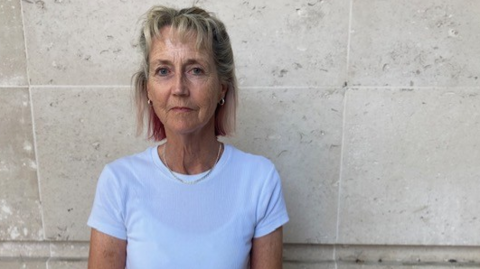
When Thompson consulted a psychiatrist, she was told her symptoms were unlikely to stem from childhood abuse given the delay in presentation and her ability to raise a family and maintain a successful career. She was diagnosed with anxiety and prescribed anti-psychotic drugs. After about a year of therapy, she was discharged while still unable to function due to nightmares and medication side-effects, forcing her to abandon her career.
Thompson later sought private therapy with a specialist in childhood trauma and gradually improved over subsequent years. She reflects:
"It was astonishing to me that it was not understood that traumatic memories are buried in order for you to survive, and that those memories can surface years later. So any delay in presenting is quite normal."
What changes is the college proposing?
The Royal College of Psychiatrists is calling for comprehensive reforms. It has committed to developing specialist training materials for psychiatrists but is advocating for mandatory training across all mental health staff on trauma-informed care for survivors of child sex abuse.
The college has recommended that national guidance be published on recognising and responding to disclosures of historic child sexual abuse, alongside a fundamental overhaul of services to enable long-term support for those requiring it.
According to the UK government's 2025 child sexual abuse progress update, funding for national services supporting adult survivors will be doubled in 2025/26, with work underway with the CSA Centre to establish a more joined-up support framework.
What do survivors' advocates say?
Gabrielle Shaw, chief executive of the National Association for People Abused in Childhood, welcomed the apology as
"significant and welcome"but stressed it must translate into
"meaningful change". She noted that for many adult survivors, mental health services have not provided a route to safety or recovery, instead becoming another setting where trauma was overlooked or inappropriate treatment was offered.
Shaw highlighted additional barriers survivors encounter. Some are met with disbelief, which can be particularly damaging, while others are told they are
"too complex, unsuitable or outside the remit of available services."
What support is currently available?
A spokesman for NHS England stated that victims can access support 24 hours a day, seven days a week through sexual assault referral centres and counselling services, with information available on the NHS website.
"People who have suffered historic child sexual abuse may not have spoken about it for years, so it's vital they know they can access specialist, trauma-informed support through the NHS,"he added.
The NHS is also taking steps to better support children and young people, with additional training being provided to mental health support teams in schools and colleges.
The college's formal position statement on non-recent child sexual abuse underwent consultation in February 2024, indicating the issue had already been under formal review before this apology was issued.
What happens next?
The Home Office intends to introduce mandatory reporting of child sexual abuse in England and Wales, though no date for legislation has been specified. The government's reforms, informed by the Independent Inquiry into Child Sexual Abuse, also include establishment of a Child Protection Authority for England and removal of the three-year limit for some civil claims against abusers.
The college's recommendations now await implementation across NHS mental health services, with the expectation that specialist training and service redesign will begin to address the systemic failures documented in the apology.
Key Facts
- Nearly one in ten adults in England and Wales experienced childhood sexual abuse, with around two-thirds never disclosing it to services by adulthood
- The Royal College of Psychiatrists' formal apology follows a review by a working group including abuse survivors, prompted by increased demand for mental health support over the past decade
- Current NHS services provide insufficient time for therapeutic relationships, with survivors often receiving only eight therapy sessions when disclosure alone may require that many
- Nearly 20,000 complaints of sexual assault, abuse and harassment were recorded across 38 mental health trusts in England since 2019, with fewer than 5% referred to police
- Government funding for adult survivor support services will double in 2025/26, with mandatory reporting of child sexual abuse intended to be introduced in England and Wales