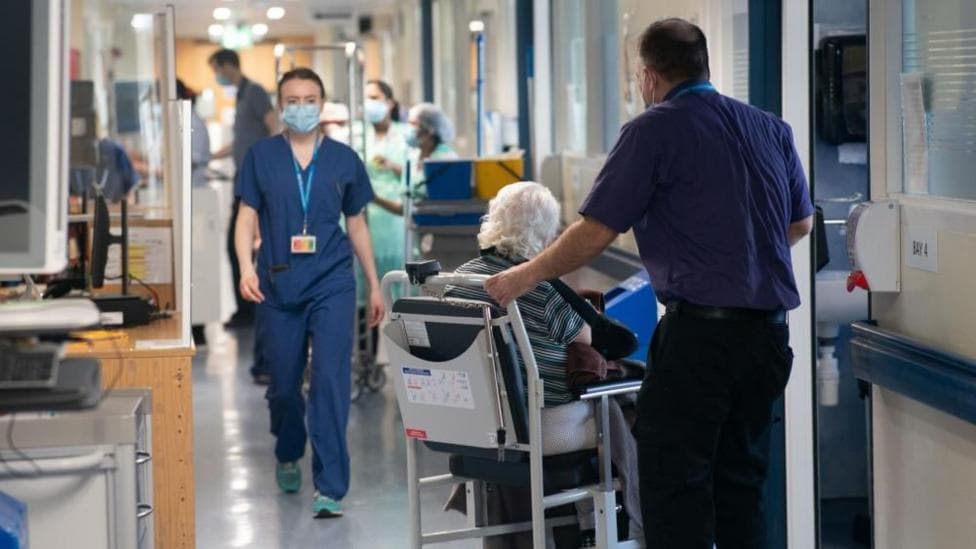
The NHS is preparing for a more demanding winter than usual, health secretary Yvette Cooper has warned, following the service's busiest summer on record in England driven by multiple heatwaves. According to BBC News, Cooper announced £140m in funding to expand urgent care capacity as the health service confronts the combined pressures of seasonal illnesses including flu and norovirus.
The investment will support 14 schemes across England, encompassing new urgent care centres, expanded ambulance services and improvements to emergency departments. The government confirmed that 25 additional urgent-care sites announced in April will be operational for winter, with several scheduled to open in November or December 2026, including Southampton General Hospital's urgent treatment centre in November and Salisbury District Hospital's in December.
Cooper stated:
Winter will be more challenging for our NHS this year, after such a heavy summer. That's why we have been preparing early and investing in extra urgent care capacity to help get patients the care they need.
What drove the summer surge?
Almost 7.3 million people attended accident and emergency departments between June and August in England, marking the highest figure ever recorded for a summer period according to NHS data. This unprecedented demand reflected the strain placed on the health service by sustained heat conditions, which disrupted normal operations and increased heat-related presentations.
The King's Fund, a health thinktank, cautioned that the service faces a twin crisis
heading into winter, with insufficient recovery time between peak periods for staff and infrastructure to stabilise. NHS medical director Prof Frankie Swords highlighted ominous
signs of winter pressure already emerging, noting that hospitals were already seeing more patients with flu and other respiratory viruses than typical for the time of year.
Swords added:
And unfortunately, people are still waiting longer than we would like them to.
How will the funding address capacity issues?
NHS executive director Emma Rowland characterised the investment as essential to helping more patients receive the right care on the right place, at the right time
during the winter months. Specific projects receiving support include Queen's Hospital in Romford, which will receive £42.1 million for an accident and emergency overhaul. The hospital's department was designed to handle approximately 325 patients daily but now regularly treats more than twice that volume.
What are critics saying about the response?
Shadow health secretary Damian Hinds acknowledged the government's need to act but pressed for clarity on funding sources. The Royal College of Nursing (RCN) England expressed scepticism about the adequacy of the measures. RCN England's executive director Patricia Marquis stated:
The extra money was welcome in the short term but would ultimately provide just another sticking plaster on a system that is at breaking point. The nursing workforce needed to deliver these services goes into winter already running on empty and short of staff.
What is the current state of waiting lists?
The waiting list for routine hospital treatment in England continued to grow, rising for the second consecutive month. An estimated 7.37 million treatments were awaiting completion at the end of August, affecting 6.24 million patients. These represented the highest figures since October 2025, raising concerns about whether the NHS will achieve the government's target to treat 92% of patients within 18 weeks by 2029.
More recent data underscores the mounting pressure. In September, 50,582 patients in England waited more than 12 hours from a decision to admit to actual admission, up from 44,951 in August, while the proportion of accident and emergency patients seen within four hours declined to 74.4% from 75.0%.
What vaccination efforts are underway?
NHS leaders are urging eligible people to receive flu vaccinations as part of winter preparation. The flu vaccination programme is designed to prevent the severe illness patterns observed in previous winters. The NHS estimated that nearly 19 million people received a flu vaccination last winter, preventing around 104,000 hospital admissions.
The current vaccination drive incorporates an updated flu vaccine formulated to protect against the subclade K strain that caused last winter's early and severe flu season. Schoolchildren and pregnant women became eligible for free vaccination from 1 September 2026. The flu programme is scheduled to continue until 31 March 2027, with the vast majority of eligible people's vaccinations expected to be completed by 30 November 2026.
What happens next?
The NHS will monitor the effectiveness of the £140m investment and urgent care expansion as winter pressures intensify. The completion of additional urgent-care sites in the coming months will be critical to managing demand. Vaccination uptake rates and the emergence of new respiratory virus variants will significantly influence the severity of winter pressures across the health service.