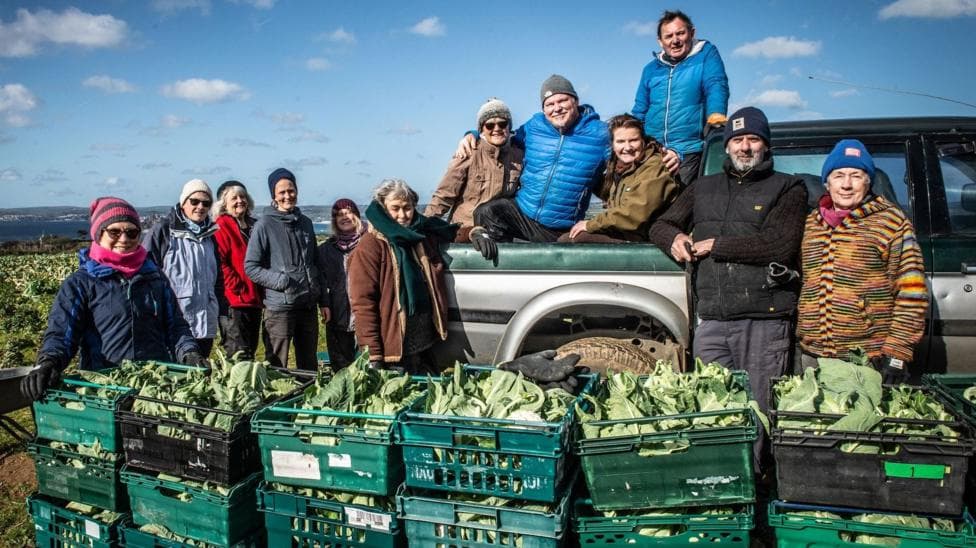
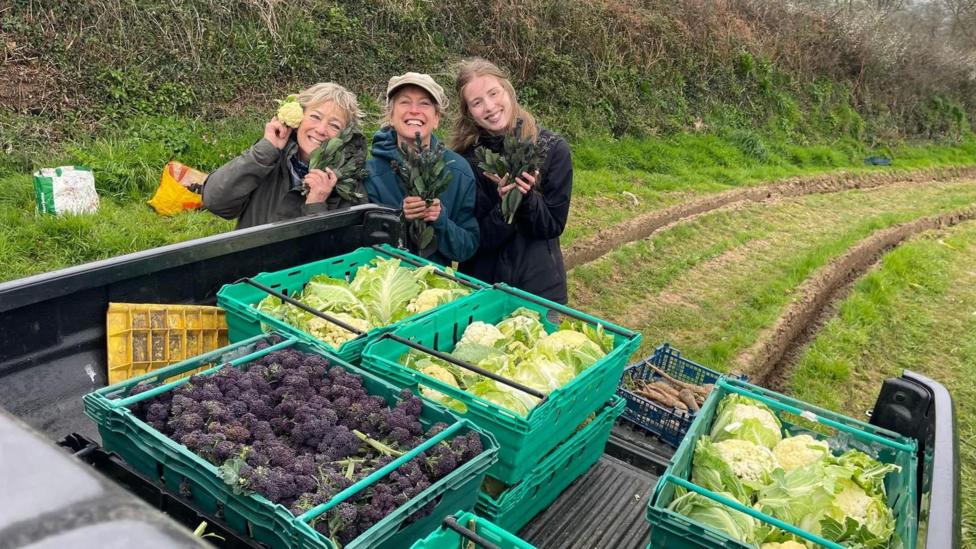
A volunteer-led gleaning organisation has rescued and distributed £1 million worth of fruit and vegetables that would otherwise have been discarded in fields, delivering the produce to 160 food banks, community larders and kitchens across the South West. According to BBC News, Gleaning Cornwall has achieved this milestone while warning that additional funding is essential to sustain operations as demand continues to rise.
The charity, which began operations in 2020, has repurposed more than 460 tonnes of produce since its launch. The organisation's founder, Holly Whitelaw, has expressed concern about the group's future, stating that financial pressures threaten its ability to continue its work.
There is less money around and we need to do more with it. Our infrastructure urgently needs funding if we are to keep going.Whitelaw said the charity currently provides food to approximately 11,000 people each week, with all produce distributed entirely free of charge to recipients.
Why is funding becoming more critical?
Operating costs have risen sharply as the organisation expands its reach. According to the Falmouth Packet, the group spends approximately £3,500 monthly on vehicles, trailers, storage and logistics while delivering an estimated £16,000 worth of produce each month. The charity operates two 4×4 trucks and employs six part-time gleaning coordinators, with winter months presenting particularly heavy expenses as volunteers work in challenging wet and muddy field conditions.
Recent grants have provided some relief. In August 2026, Cornwall Community Foundation awarded Gleaning Cornwall £3,000 toward running costs, while in September 2026, Saltash Town Council provided £250 for administrative equipment including a laptop.
How severe is food insecurity in Cornwall?
Reliance on food aid has grown substantially across the region. Since 2015, the number of known food aid settings in Cornwall has increased from 20 to 180 according to Cornwall Council. Between April 2024 and March 2025, the Trussell Trust's food banks in Cornwall distributed more than 35,500 emergency food parcels, reflecting unprecedented demand.
A study by Cornwall Council revealed that 30% of children in the county are living in food poverty, highlighting the scale of the challenge facing families across the region.
What is gleaning and why does it matter?
Gleaning involves volunteers collecting unwanted produce from harvested fields—crops that farmers cannot sell due to cosmetic imperfections, overproduction or logistical constraints. By rescuing this food, the organisation addresses two interconnected problems: reducing agricultural waste and providing nutritious meals to people in need.
Whitelaw has encouraged broader action on food waste, emphasising the environmental and economic benefits of reducing household waste.
If we waste food, we waste the substantial energy that went into producing it. Utilising what we already have saves money and helps the environment.
Key facts
- Gleaning Cornwall has rescued 460 tonnes of produce since 2020 and distributed £1 million worth to food banks and community kitchens
- The charity feeds approximately 11,000 people weekly with completely free produce
- Monthly operating costs of £3,500 deliver an estimated £16,000 worth of produce monthly
- Food bank usage in Cornwall reached record levels, with 35,500 emergency parcels distributed between April 2024 and March 2025
- 30% of children in Cornwall are living in food poverty according to recent council research