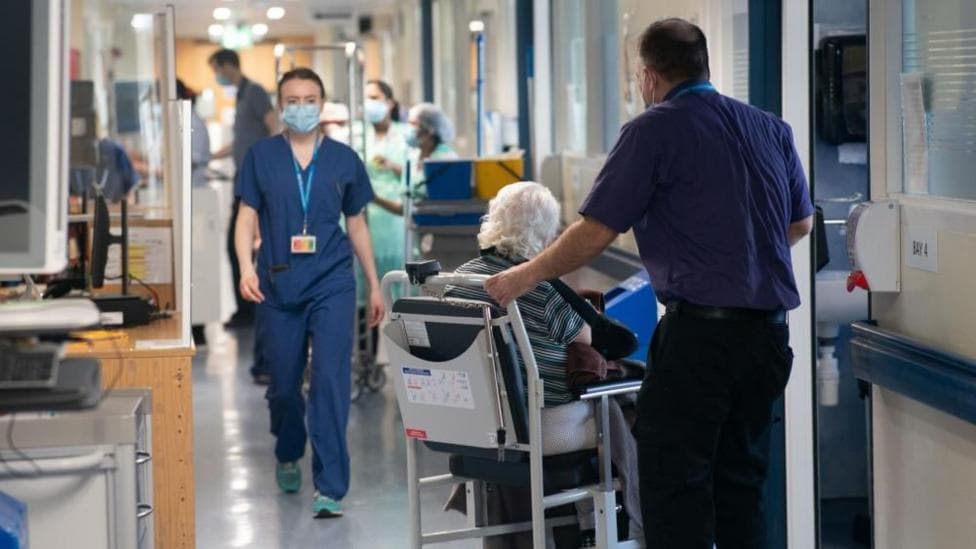
Hospital doctors in Northern Ireland have announced two strikes scheduled for next month after the health minister was unable to implement a recommended 3.5% pay increase, citing the absence of an agreed budget. According to BBC News, resident doctors will stage a 24-hour walkout on Friday 20 November, while consultants and specialists will operate a severely reduced service on the following Monday. The Royal College of Nursing has also opened a ballot for industrial action over the same pay dispute.
The Northern Ireland Executive has now operated for seven months without a finalised budget, an unprecedented situation that has begun to produce tangible consequences for the health service. While public sector managers initially adapted to emergency spending procedures and services continued to function, the inability to award pay increases that have already been implemented across the rest of the United Kingdom has triggered industrial action.
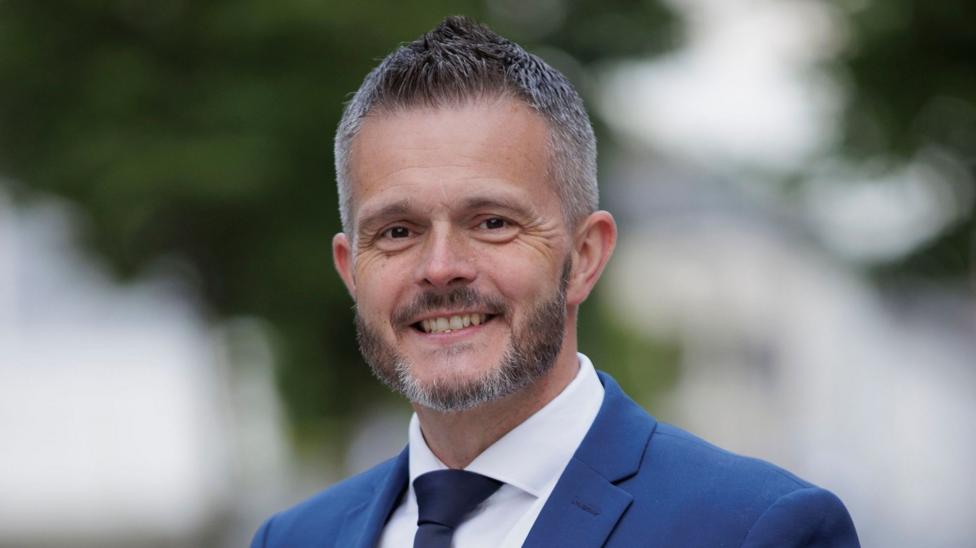
An independent body recommended the 3.5% pay uplift, which Health Minister Robbie Butler accepted in principle. However, without an agreed departmental budget, the minister cannot authorise the payment. Across England, Scotland and Wales, doctors received this increase in their pay packets from April 2026 onwards.
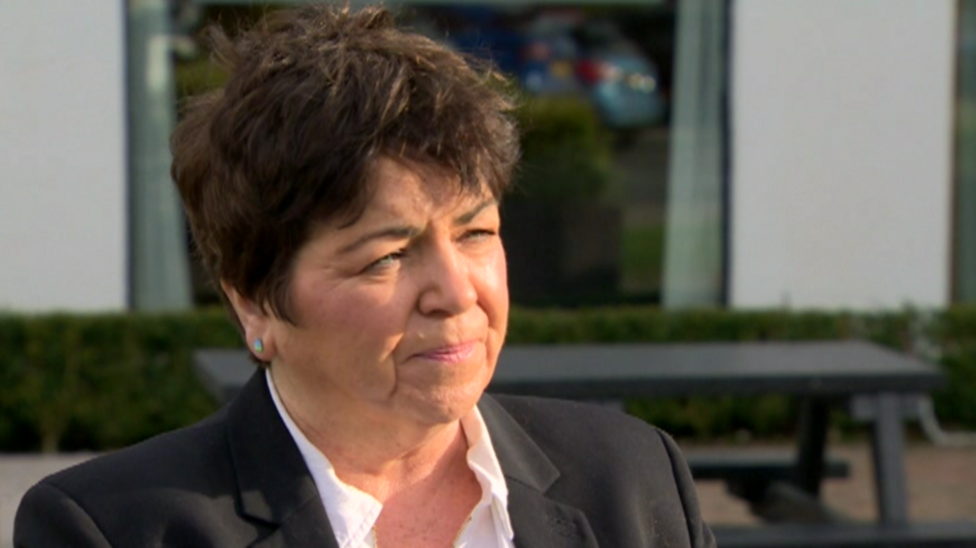
Clodagh Corrigan, representing the British Medical Association, expressed the union's frustration following a meeting with the health minister two weeks prior to the announcement.
I don't know long you'd like us to wait?she said, noting that officials indicated no pay rise would be forthcoming before Christmas, if at all.
The planned industrial action represents an escalation of tensions that have simmered throughout the year. All three doctor groups involved in the planned action previously took strike action in June, according to the BMA. The union has indicated it is prepared to escalate further if progress is not made, with additional action planned over the coming months.
The pay dispute reflects deeper financial pressures within the health service. The BMA estimates resident doctors' pay is 20.3% lower in real terms than 18 years ago, while consultants' pay is down 26.4%. These figures underscore the cumulative effect of years without adequate pay restoration.
Why is the nursing profession also considering strikes?
The Royal College of Nursing has opened a ballot for industrial action citing identical grievances to those raised by doctors. Professor Rita Devlin, executive director of the RCN in Northern Ireland, characterised the situation as unacceptable.
It is despicable that, year after year, nursing staff in Northern Ireland are forced to fight for a pay award that colleagues elsewhere in the UK receive as a matter of course,she stated.
Would governments in England, Scotland or Wales allow their health service staff to go indefinitely without a pay award? The answer is no. So why is Northern Ireland expected to accept this?
Why does the budget delay prevent pay awards?
The absence of an agreed budget means departments cannot commit to spending on pay increases, even when those increases have been recommended and accepted in principle. Health Minister Robbie Butler acknowledged this constraint while expressing his commitment to the award.
I remain committed to implementing this year's pay award but unfortunately, I am currently unable to do so in the absence of a sufficient budget being agreed for my department,he said.
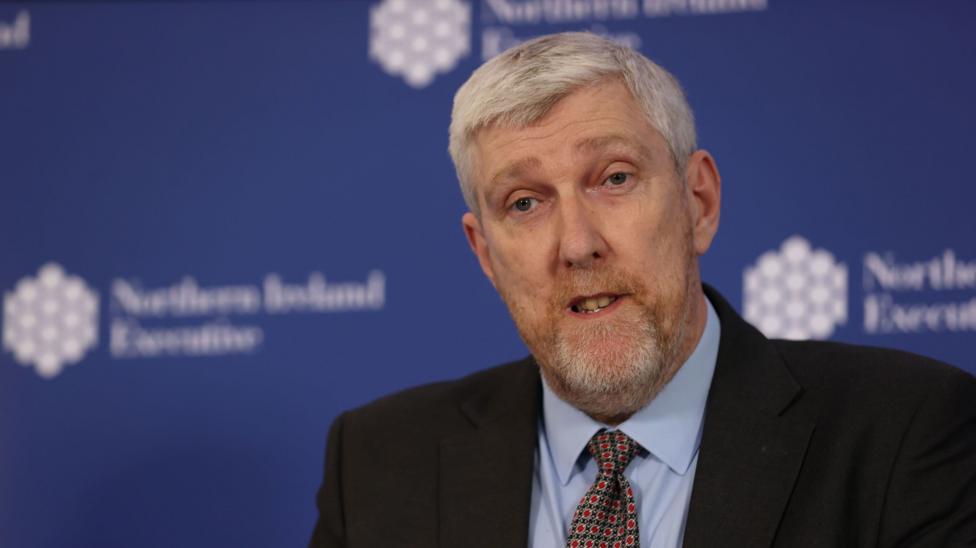
The budget impasse stems from a consensus among executive parties that the UK's devolution funding formula leaves Northern Ireland with insufficient resources to produce a workable financial plan. Finance Minister John O'Dowd outlined the scale of the challenge on Tuesday in the assembly, stating that departmental pressures across the current financial year total approximately £1.6 billion, while the funding offer on the table amounts to around £525 million.
Public sector pay alone is £500m or thereabouts, and any settlement or agreement has to include money for pay uplifts for teachers, nurses and other public-sector workers,he explained.
What is the UK government's position?
The UK government has conceded that additional funding is necessary and has offered £1.5 billion over three years, with £525 million allocated for the current year. However, Stormont parties argue this falls far short of requirements. Secretary of State Sir Chris Bryant has responded with frustration at what he characterises as unsustainable spending patterns.
You cannot keep overspending willy-nilly and not expect consequences from that. It's just irresponsible,he told the BBC following a virtual meeting with ministers on Friday that produced no agreement.
Ann Watt, director of the Pivotal think tank, described the situation as intractable in the short term.
The executive is clear that the thing they want to do most is make those public sector pay awards,she told the BBC's Sunday Politics programme.
I think it's very difficult to see how that circle is going to be squared in the short time available if the pressures are three times the amount of funding available.Watt noted that while a deal with the UK government might eventually be reached, the scope for action this year remains severely constrained given how far into the financial year negotiations have progressed.
Watt also highlighted a structural challenge specific to Northern Ireland: the public sector is significantly larger than in other parts of the UK, and Westminster funding must be distributed across a much larger workforce relative to the population served in England.
What happens next?
Further discussions between the executive and the secretary of state are scheduled for next week. Bryant has suggested that January represents an absolute deadline for reaching a deal, as emergency spending arrangements will exhaust available funds at that point. However, a resolution must come considerably sooner if industrial action is to be averted.
The BMA plans a demonstration at Belfast's Royal Victoria Hospital from 08:30 to 10:30 on 20 November, coinciding with the resident doctor walkout. The Department of Health has stated that the 2026/27 pay award should be implemented and pay parity with NHS England restored as soon as possible, but without budget agreement, implementation remains impossible.