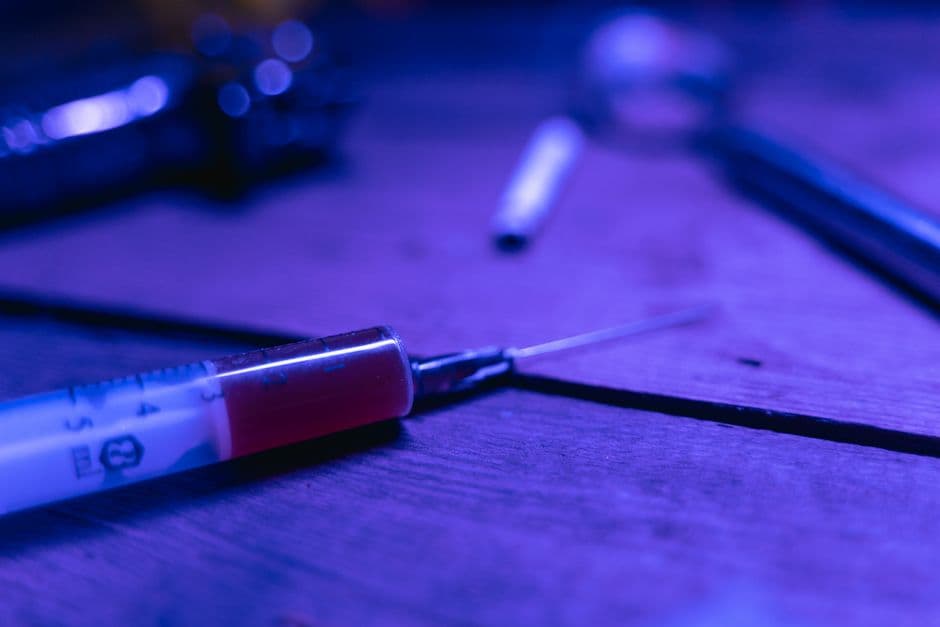
A fresh wave of synthetic drugs is spreading across the United States, intensifying concerns about an escalating public health emergency. Earlier in the year, President Donald Trump announced measures targeting drug cartels, designating many as terrorist entities. According to BBC News, authorities are increasingly alarmed by cheaper, more potent synthetic substances, including tranq, an animal tranquilliser now appearing in street supplies.
Overdose fatalities have declined from approximately 110,000 in 2022 to roughly 70,000 in the most recent year, suggesting some progress in combating the crisis. Yet experts warn that America's decades-long struggle with drug addiction may be accelerating rather than stabilising, driven by the proliferation of novel synthetic compounds that are harder to detect and treat than traditional opioids.
The challenge extends beyond US borders. Zhang Zhidong, a Chinese graduate accused of orchestrating fentanyl precursor supply chains from China to Mexico's Sinaloa cartel, was arrested in 2024, escaped, recaptured, and extradited to face trial in the United States for drug trafficking. This case illustrates how international criminal networks fuel the synthetic drug problem domestically.
What is happening on Chicago's South Side?
Communities in Chicago's South Side are confronting the frontlines of this crisis. The BBC's Quentin Sommerville reports directly from affected neighbourhoods, documenting how residents and local authorities are responding to the influx of synthetic drugs that are reshaping street-level drug use patterns and complicating emergency response efforts.
How does this compare to other regions?
Scotland's drug-related deaths rose 11 per cent to 1,133 in 2025, maintaining Europe's worst fatality rate, with criminal gangs mixing synthetic opioids into existing drug supplies. This pattern mirrors challenges in the United States, where synthetic substances are being combined with traditional drugs, complicating prevention and treatment strategies.
Key Facts
- Overdose deaths fell from approximately 110,000 in 2022 to roughly 70,000 in the most recent year
- Synthetic drugs including tranq are becoming cheaper and more powerful than traditional opioids
- President Trump designated many drug cartels as terrorist organisations earlier this year
- International supply chains, particularly from China through Mexico, continue to fuel the synthetic drug crisis