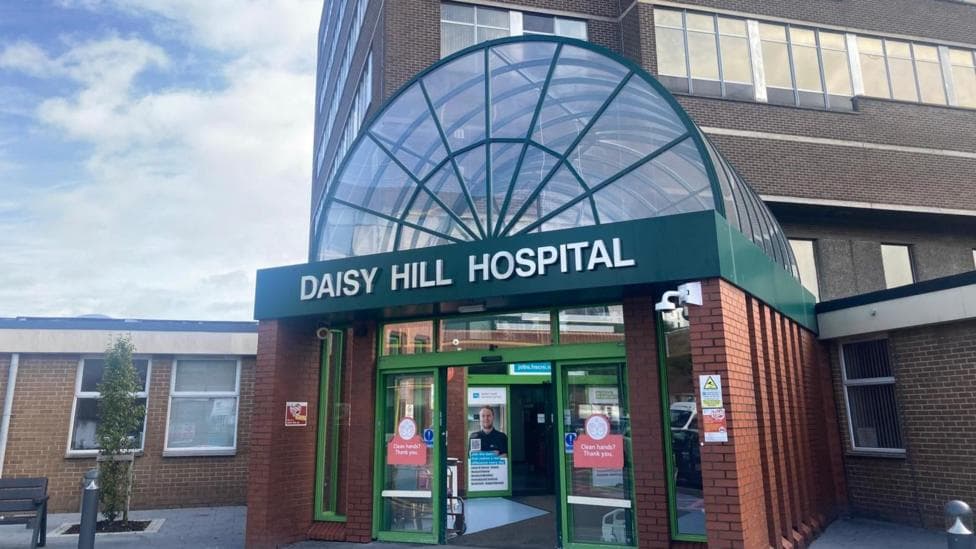
Blood tests capable of detecting multiple cancers simultaneously will be made available to NHS patients at approximately 200 GP surgeries in England as part of a government-funded trial. The initiative aims to identify hard-to-diagnose abdominal cancers—including liver, ovarian and pancreatic cancer—at earlier stages, when treatment outcomes are typically more favourable. According to BBC News, the trial will involve more than 20,000 patients aged 45 and over who present with symptoms such as abdominal pain or persistent bloating.
The tests work by identifying proteins or fragments of DNA circulating in the blood that may indicate the presence of cancer. By analysing these biomarkers, the tests could help clinicians determine which patients with non-specific symptoms require further diagnostic investigation, potentially avoiding unnecessary procedures for those without disease.
The trial, known as STRIDE-RCT, is led by the University of Birmingham and will run from 1 November 2026 to 31 October 2031, according to the university's research database. The study will assess the accuracy and clinical utility of the tests for potential rollout across the wider NHS.
Why early detection of abdominal cancers matters
Detecting cancers of the abdomen early is exceptionally challenging because their symptoms—pain, bloating, indigestion—are easily confused with benign conditions. Prof Peter Johnson, NHS England's national clinical director for cancer, emphasised that early diagnosis substantially improves patients' chances of successful treatment and survival.
Across England, approximately 71,000 people are diagnosed annually with pancreatic, stomach, liver, ovarian or bowel cancer, with nearly 35,000 dying from these diseases. The STRIDE-RCT trial will examine detection of bowel, small bowel, stomach, oesophageal, pancreatic, liver, bile duct and gallbladder, ovarian, endometrial, kidney, bladder and prostate cancer.
How will the trial work?
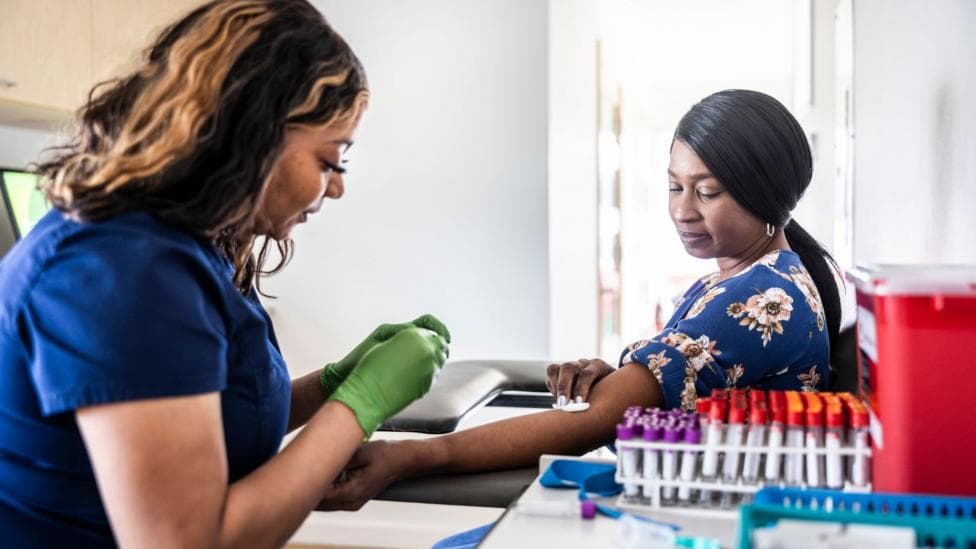
Eligible participants will provide one or two tubes of blood at their GP practice, collected alongside routine tests. Scientists will then analyse the samples for cancer biomarkers and, if present, may be able to identify the location of any tumour within the body. Patients should understand that a positive result does not automatically confirm cancer, and a negative result does not guarantee the absence of disease.
What does the evidence from previous trials show?
The concept of a multi-cancer blood test is not novel. The NHS-Galleri trial, which enrolled more than 142,000 people aged 50–77 and compared annual blood testing with standard care over three screening rounds, recently published its primary results. Full NHS-Galleri results published in 2026 found no overall reduction in combined stage 3 and 4 cancers, but reported fewer stage 4 diagnoses in later screening rounds. In that trial, approximately 1% of participants received a positive result, and roughly half of those were subsequently diagnosed with cancer.
Although the Galleri trial did not meet its primary endpoint of reducing late-stage cancer diagnoses, researchers continue to evaluate its potential benefits. The trial's cancer-mortality results are due two years after its primary endpoint, according to a report published in September 2026, which may provide additional insight into whether earlier detection translates to improved survival.
What are clinicians and cancer organisations saying?
Health Secretary Yvette Cooper expressed hope that straightforward blood tests of this type would enable faster identification of patients requiring urgent investigation. Michelle Mitchell from Cancer Research UK stated that
GPs have long needed better tools to help them navigate that uncertainty by identifying which patients require further testing and this trial in England is an important step towards addressing that need.
The trial represents a significant step in addressing a longstanding clinical challenge. Earlier diagnostic approaches have shown promise in other cancer types; a home urine test has demonstrated 92% accuracy in detecting bladder cancer, and NHS England has launched a rapid genomic test that diagnoses brain tumours in two hours instead of eight weeks, illustrating the potential for innovation in cancer detection pathways.
Key facts
- The STRIDE-RCT trial will involve approximately 200 GP surgeries across England and more than 20,000 eligible patients aged 45 and over
- The tests detect proteins and DNA fragments in blood that may signal the presence of 13 different cancer types
- Around 71,000 people in England are diagnosed annually with pancreatic, stomach, liver, ovarian or bowel cancer, with nearly 35,000 deaths from these diseases
- The Galleri trial, a predecessor multi-cancer blood test study, did not reduce overall late-stage cancer diagnoses but showed fewer stage 4 diagnoses in later screening rounds
- The STRIDE-RCT trial will run for five years, from November 2026 to October 2031