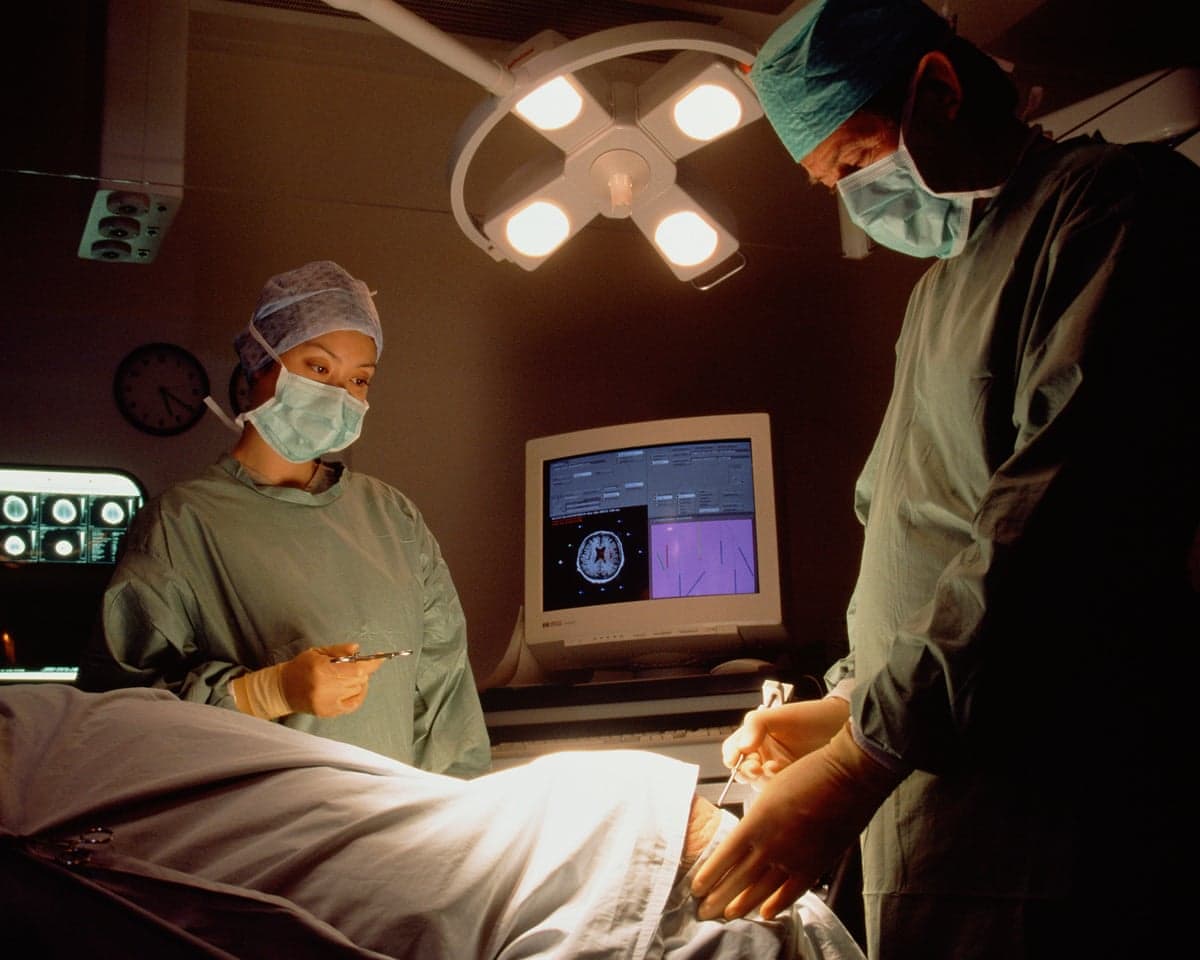
A rapid new genomic test for brain tumours can now diagnose patients while they remain on the operating table, potentially transforming how the condition is identified and treated. The diagnostic tool cuts waiting times from up to eight weeks to as little as two hours, allowing surgeons to make treatment decisions immediately during the procedure.
Scientists have described the innovation as "gamechanging" for patients who, as one leading surgeon noted, "do not have time on their side". The test represents what researchers are calling a world-first NHS pilot that could position England as the first country to deploy rapid brain tumour genomic diagnosis at scale.
NHS England has begun piloting the diagnostic tool at five specialist centres across the country. Prof Frankie Swords, the NHS medical director, described the rapid test as "a huge leap forward for patients" with the "potential to completely transform how we diagnose brain tumours".
How does the test work?
The technology is a genomic test that analyses the genetic code of a tumour sample in a matter of hours rather than weeks. Instead of traditional microscopy, small tissue samples taken during surgery are sent to a pathology laboratory, where they are placed into a shoebox-sized sequencing machine manufactured by Oxford Nanopore. Within this device, DNA molecules pass through a nanopore—an extremely small opening—which reveals the unique genome that defines the tumour type.
According to the Brain Tumour Charity, the approach has achieved a 90% success rate in providing accurate diagnostic results in under two hours. University-led research has reported even higher performance, with a 100% success rate in diagnosing the exact tumour type, with results returned in as little as 90 minutes in some cases.
What are the benefits for patients?
The ability to obtain detailed tumour information at the moment surgical decisions are being made represents a fundamental shift in patient care. Earlier diagnosis enables patients to begin treatment sooner, which could improve outcomes and save lives. The test also eliminates the prolonged uncertainty that typically accompanies the traditional eight-week diagnostic pathway.
Stuart Smith, a consultant neurosurgeon at Nottingham University Hospitals NHS Trust and co-lead of the university's research centre of excellence, said:
"I am very proud to have been part of this exceptional team creating this rapid genomic testing, which will save valuable waiting time for patients who potentially are being told they don't have time on their side. The ability to have detailed information about the tumour at the point when decisions are being made in the operating theatre is gamechanging."

The test could also provide early access to clinical trials for certain patients, expanding treatment options beyond standard care.
Where is the test being rolled out?
The five specialist centres where the test is first being deployed are Nottingham University Hospitals NHS Trust, University Hospitals Birmingham NHS Foundation Trust, Great Ormond Street Hospital NHS Foundation Trust, King's College Hospital, and Newcastle Hospitals NHS Foundation Trust. Following the initial pilot phase, the test will be brought to additional sites in Bristol, Oxford, Leeds, and Manchester.
This expansion follows earlier NHS genomics work for glioblastoma, the most aggressive form of brain tumour. A related pilot programme based in Cambridge is enrolling 225 glioblastoma patients over three years as part of the Minderoo Precision Brain Tumour Programme, which aims to demonstrate sufficient benefit to support eventual national rollout into standard NHS practice.
Why is this significant?
Primary brain tumours remain the single biggest killer of children and adults under 40 in the UK. The speed and accuracy of diagnosis directly influence treatment outcomes, making rapid identification crucial for this population. By compressing the diagnostic timeline from weeks to hours, the test addresses a critical gap in current care pathways where delays can have serious consequences.
The development builds on research conducted at Nottingham, where scientists reported in May 2025 that the new genetic test could classify brain tumours in as little as two hours, providing the foundation for this NHS-wide implementation.
What happens next?
The NHS pilot will continue at the five specialist centres before any wider expansion across England is considered. The success of this initial phase will determine whether the approach can be integrated into the broader NHS Genomic Medicine Service and eventually become standard practice across the country.
Key Facts
- The rapid genomic test reduces brain tumour diagnosis time from up to eight weeks to two hours
- Results can be delivered while patients are still undergoing surgery, enabling immediate treatment decisions
- The pilot is running at five specialist NHS centres with plans to expand to Bristol, Oxford, Leeds, and Manchester
- Independent research has reported 90–100% success rates in accurate tumour classification within two hours
- Primary brain tumours are the leading cause of cancer death in children and adults under 40 in the UK