As temperatures drop and the season shifts toward winter, sausages emerge as one of the kitchen's most versatile foundations for warming, satisfying meals. According to The Guardian, food writers and chefs are championing sausage-based dishes that transform simple ingredients into deeply comforting autumn fare, from stewed preparations to roasted combinations with seasonal vegetables.
Sausages adapt effortlessly across cooking methods and flavour profiles, making them ideal for the transitional period between summer's lighter meals and winter's heavier stews. Ali Stoner, author of a cookbook on adaptable ingredients, emphasises this flexibility: "Sausages are one of the most adaptable ingredients – they go with almost anything." She highlights Scottish sausage stovies as a quintessential autumn comfort dish, but also champions a slower-cooked stewed approach that builds deep flavour through caramelisation and layering.
How do you build flavour in a simple stewed sausage dish?
The foundation begins with browning the sausages in a hot pan, then setting them aside to rest. The rendered fat becomes the base for caramelising a generous quantity of onions, which are then combined with a light flour roux to create body. Stock forms the liquid base, enriched with a splash of soy sauce and a squeeze of Marmite – an unconventional addition that deepens savoury notes without announcing itself. The sausages return to the pot to simmer gently until tender, then serve alongside creamy mashed potatoes or fluffy rice to absorb the glossy sauce.
What about heartier one-pot meals?
David Gingell, co-founder of several London restaurants, builds a sausage-and-beans dish that begins with rendering streaky bacon and fennel sausages together in a heavy-based pan. Once coloured and removed, the fat left behind becomes the cooking medium for an abundance of finely diced onions, softened with salt and crushed garlic until sticky and caramelised. Diced carrots may be added, though Gingell often omits them. A generous pour of cider, white wine or sherry deglazes the pan, followed by bay leaves and butter beans from a jar or tin. Chicken stock returns the sausages to the pot for 30 to 40 minutes in a medium-hot oven, allowing the tops to caramelise. A crucial 30-minute rest follows, during which the fried bacon is chopped and stirred back in. The dish finishes with cabbage cooked gently in olive oil and butter with onions, plus mustard on the side.
Another single-pan approach combines pigs and figs – a pairing that Ben Tish, chef and director of a group of London pubs, describes as "a really lovely combination." Sausages are roasted until golden, then figs are added and cooked until they soften into a jammy consistency. Red wine and red-wine vinegar deglaze the pan, followed by cooked borlotti beans, a splash of stock and herbs, left to simmer until the elements meld into a cohesive dish.
How can sausages work in ragu and pasta dishes?
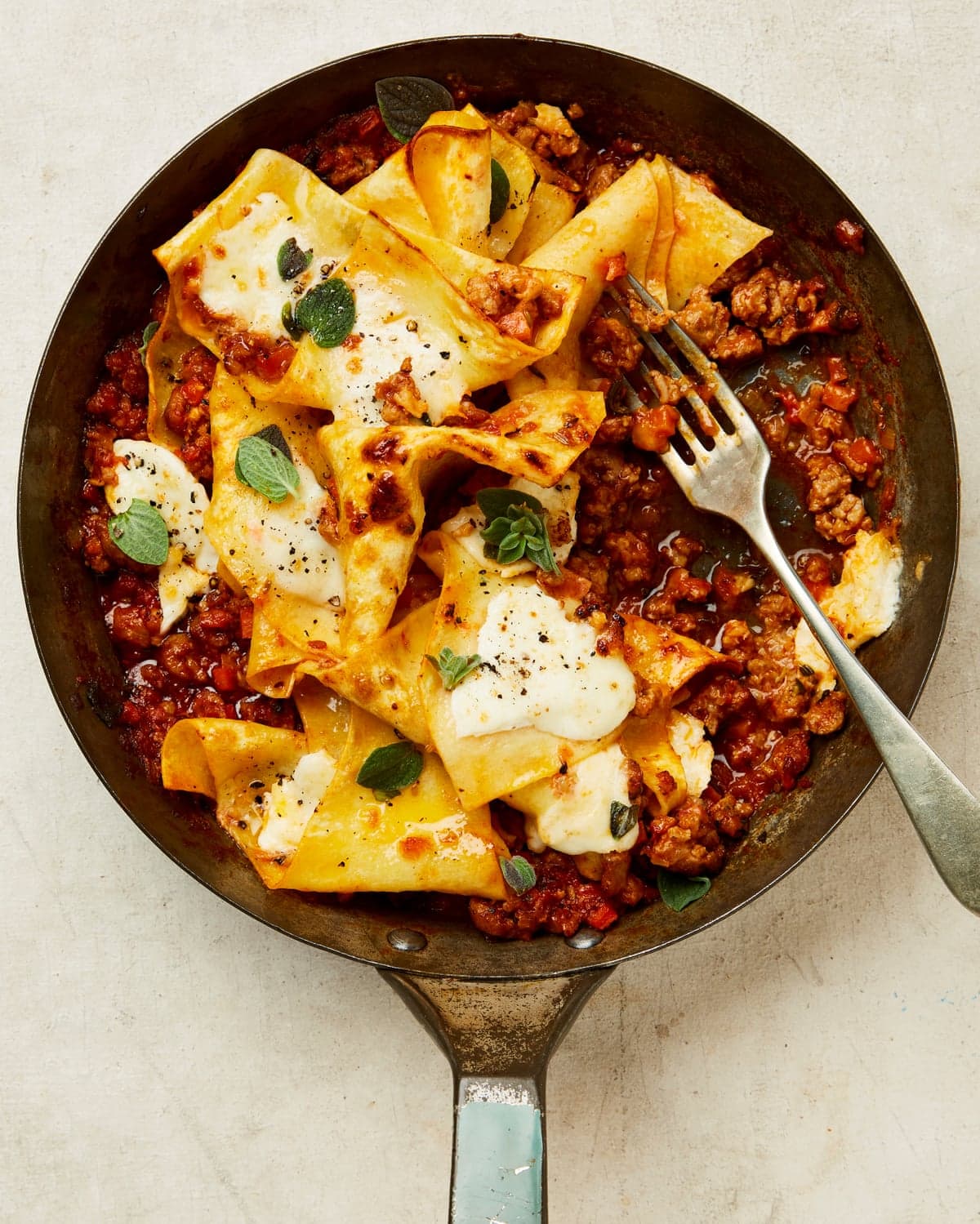
As autumn shifts toward the season for slow-cooked ragus, sausages offer an alternative to minced meat. Nye Smith, head chef at a Somerset restaurant, recommends opening the sausage casings and scooping out the meat, then roasting it in a hot oven until it breaks into small clumps with crispy edges. This sausagemeat then braises in a tomato-based sauce enriched with red wine, or alternatively cooks with white wine, fennel, dark greens such as cavolo nero and a splash of cream. The finished ragu coats fresh pasta or pillowy gnocchi.
Are there lighter autumn options?
Sausage salads offer a refreshing departure from heavy stews, particularly as a bridge between seasons. Stoner notes that her mother favoured this approach: sliced cooked sausages tossed with roasted root vegetables – salt-baked swede works beautifully – charred cabbage or radicchio, fresh herbs and a mustardy vinaigrette. This method celebrates the sausage without the weight of a braise, making it suitable for milder autumn days.
What about Bonfire Night celebrations?
As the calendar approaches Bonfire Night festivities, the barbecue offers another avenue for sausage cookery. Tish suggests cutting sausages into pieces, threading them onto sturdy sprigs of woody rosemary and grilling over charcoal or wood. A glaze applied toward the end of cooking – honey, pomegranate molasses or similar – adds caramelised sweetness and complexity. This method transforms the humble sausage into a showstopper for outdoor gatherings.
Beyond these core approaches, autumn sausage cooking has expanded with seasonal innovations. Nigel Slater published a pumpkin-and-sausage casserole recipe featuring harissa, tomatoes, rosemary and stock, designed to serve two to three people in approximately 90 minutes. Similarly, Annabel Karmel shared Bonfire Night recipes including sausage-roll "rockets" made with chorizo, cheddar, rosemary and puff pastry, offering a playful twist on traditional fare.
What is the current cost context for sausages?
Home cooks planning autumn menus should be aware of the broader food price environment. A July 2026 analysis reported that UK food prices were 38% higher than in 2020, with pork sausages rising 28% over that period. More recently, the Office for National Statistics noted that food and non-alcoholic beverage prices rose 1.3% in the year to September 2026, though they fell 0.2% month on month, suggesting some stabilisation in the market. These price movements reflect broader inflationary pressures affecting household budgets across the country.
What comes next for sausage pricing?
The Office for National Statistics is scheduled to release its next update on average pork-sausage prices on 18 November 2026, providing fresh data on whether the recent month-on-month decline continues or reverses as winter approaches.