Proposals to significantly reduce inpatient beds across rural Wales have triggered strong resistance from communities, GPs and politicians who fear the changes will harm vulnerable populations in remote areas. According to BBC News, Powys Teaching Health Board is consulting on plans that would cut community hospital beds from 146 to either 90 or 60, concentrating services in just two or three of the county's eight facilities. The 14-week public consultation runs until 10 January 2027, but opposition has already mobilised across the region.
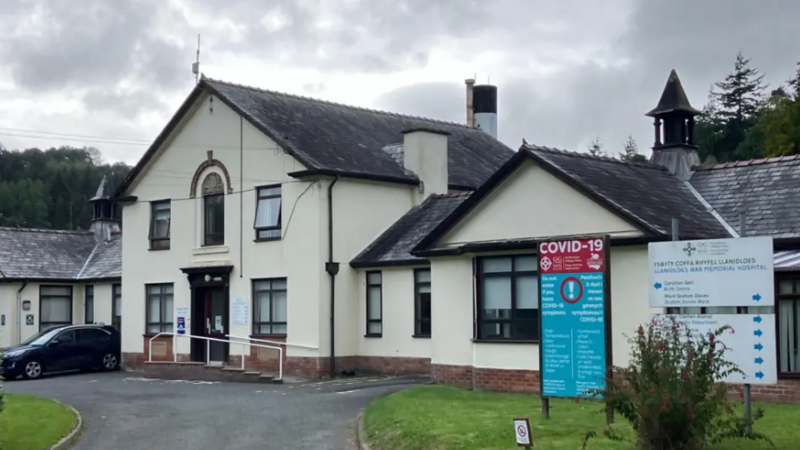
The health board's "Better Together" programme would reshape services across adult physical health, adult mental health, urgent care and diagnostic services. Under the first option, beds would be retained only in Brecon, Newtown and Llandrindod Wells, reducing capacity to around 90 beds. The second, more extensive option would leave only Brecon and Newtown with inpatient facilities, cutting beds to approximately 60. This would mean the closure of inpatient wards in Welshpool, Machynlleth, Ystradgynlais and Llanidloes, with Llandrindod Wells also at risk under the most severe proposal.
Why is the health board proposing these changes?
Powys Teaching Health Board argues that its current dispersed model has become unsustainable. The authority faces persistent challenges in recruiting and retaining staff across a large geographical area, and the existing configuration makes it increasingly difficult to deliver consistent care. A health board report noted that the current arrangement "provides valued local services, but its dispersed configuration makes it increasingly difficult to meet needs consistently." The board also highlighted that people are living longer with multiple long-term conditions, demand is rising, and maintaining small services across rural Powys has become operationally challenging.
The scale of the financial challenge is substantial: approximately 40% of the health board's budget—around £198 million in the last financial year—is spent on services commissioned from outside Powys, suggesting significant resource constraints.
How would these changes affect travel times and access?
Journey times to inpatient care would increase substantially under either proposal. The health board estimates that average travel time could rise from approximately 12 minutes to 24 minutes, with some residents living in the most remote areas facing journeys exceeding 45 minutes each way. This is a critical concern in Powys, which has one of Wales' oldest populations, with more than a quarter of residents aged over 65—a demographic particularly vulnerable to the impact of reduced local healthcare access.
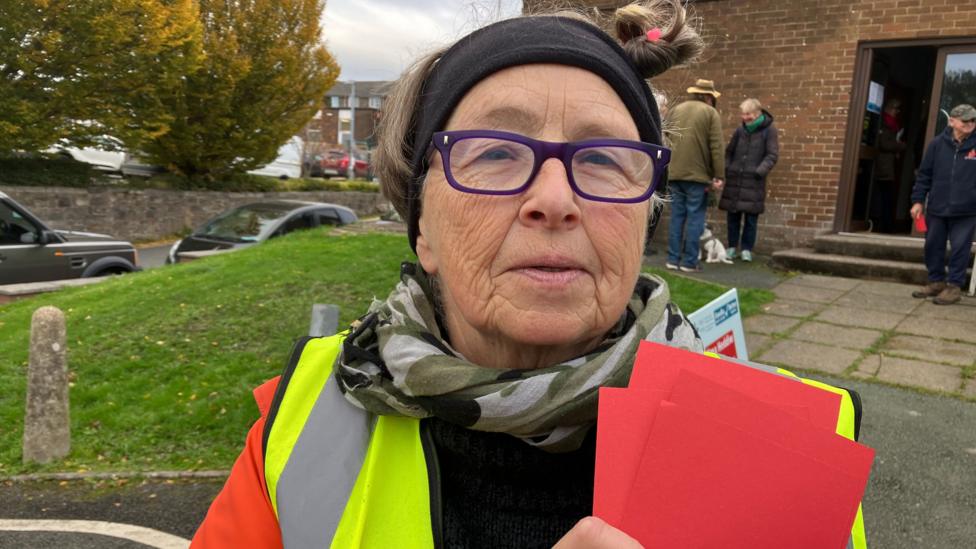
Jill O'Connor, from the Llanidloes Hospital Alliance Group, has articulated community concerns about the viability of delivering care in people's homes across such dispersed rural areas.
"It beggars belief that they want to go and work, treat people in homes when actually... you can treat a bigger group collectively in a hospital rather than with individual staff,"she said. She also raised questions about workforce readiness, noting that while the health board would have excess nursing staff from closed hospitals,
"those people need training up."O'Connor emphasised that
"The community feels very passionately that this is their hospital and it serves the community."
What do the proposals include beyond bed reductions?
The consultation encompasses broader service changes. For urgent care and diagnostic services, the health board is proposing two options. The first would establish Urgent Care Centres in Newtown and Brecon operating from 8am to 8pm daily, alongside a minor injuries unit in Llandrindod Wells. The minor injuries unit in Welshpool would remain open until the Newtown centre opens, then close. The second option would provide just two Urgent Care Centres in Newtown and Brecon.
Mental health services would be consolidated under a single proposed option, bringing all adult and older adult mental health services to either Bronllys Hospital or a new facility in the Bronllys/Brecon area, while expanding community mental health provision. The proposals also include expanded district nursing, rehabilitation, reablement, falls prevention and Hospital at Home support, with residential care facilities at Glan Irfon and Cottage View in Knighton continuing to operate under either physical-health option.
What are residents saying about the proposals?
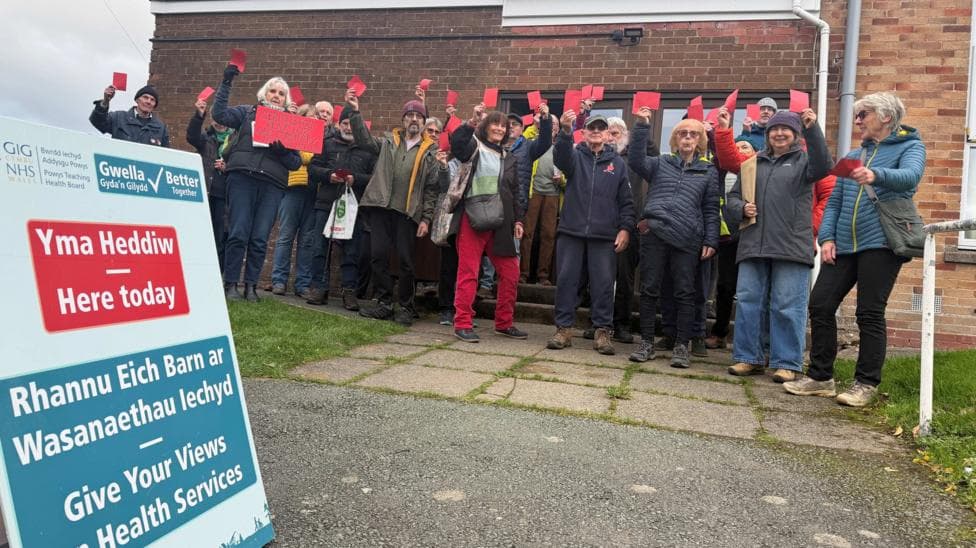
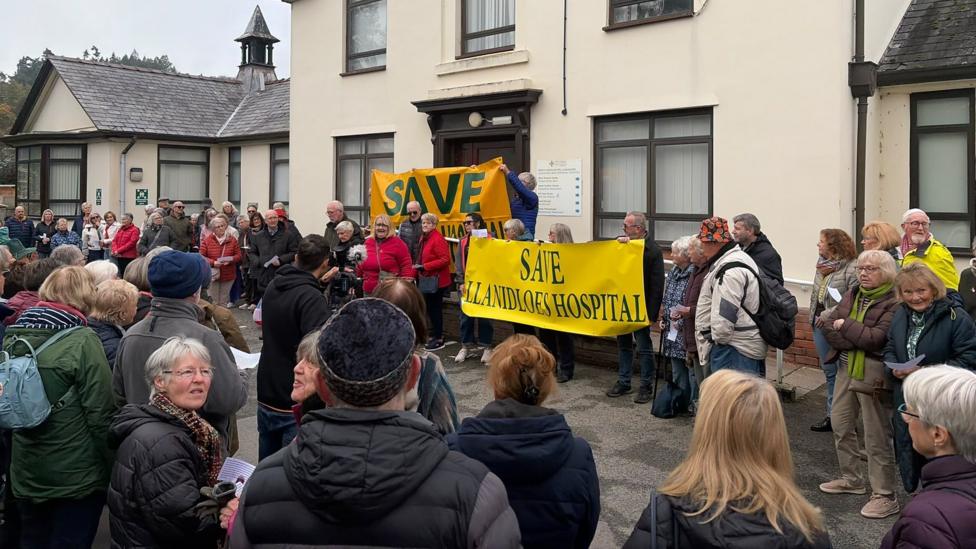
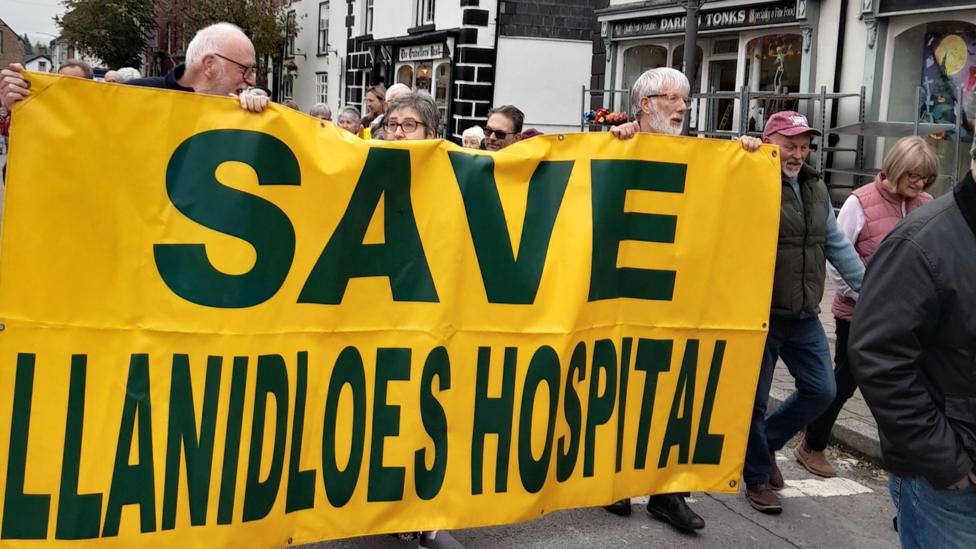
Community opposition has been vocal and sustained. In August, more than 400 people attended a public meeting in Llanidloes to oppose the closure of community hospital beds. A "Cwtch Llanidloes Hospital" walk-through was held over the weekend to demonstrate community support for the facility and gratitude to its staff. Drop-in meetings have been held across Powys to discuss the proposals.
Personal testimonies highlight the human impact of losing local facilities. Tuppin Scrase described how his wife received palliative care in Llanidloes five years ago and how crucial the local location was during her final month.
"At that time, it was the time of Covid, and if she'd had to remain in Shrewsbury or Aberystwyth, which are our nearest general hospitals, I could never have seen her. In the whole month it took her to die, I would not have been able to see her. It was only because it was local that I could actually get there and be with her."
What political action is being taken?
The proposals have attracted political scrutiny. On 30 October, MS Rebeca Phillips raised the matter with Welsh Government minister Mabon ap Gwynfor, seeking assurances that Powys residents' views would be considered and requesting details of ministerial discussions with the health board. This intervention reflects broader concern about whether local voices will be adequately heard in the decision-making process.
What happens next?
The public consultation runs until 10 January 2027. The health board's options were informed by feedback gathered from thousands of patients, residents, NHS staff and partner organisations over the previous two years. Following the consultation period, the health board expects to consider a post-consultation decision case in spring 2027, though no final decision has been made yet. Any changes would be implemented over a number of years, allowing time for workforce transition and service reconfiguration.
The outcome of this consultation will significantly shape healthcare delivery in one of Wales' most rural and demographically vulnerable regions, making the next three months critical for residents seeking to influence the health board's final decision.