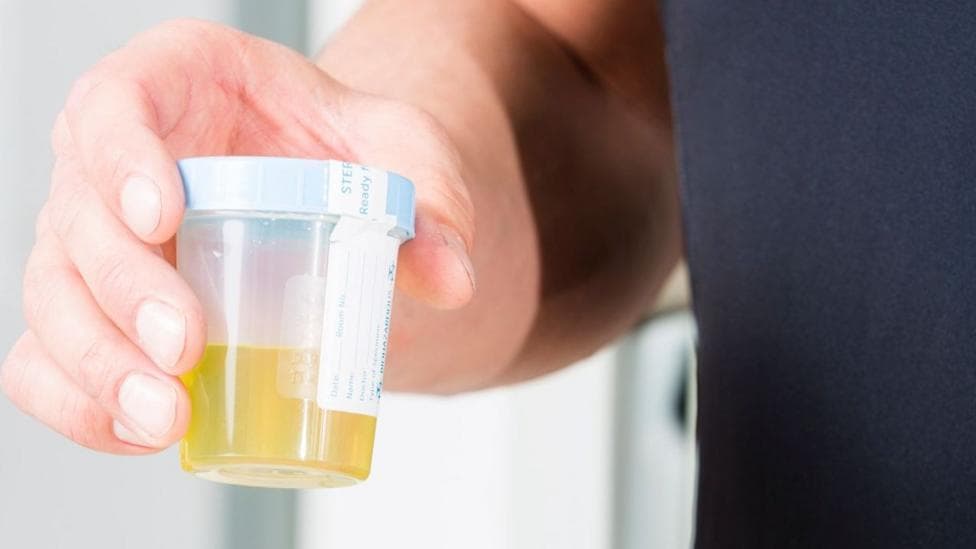
A home-based urine test being trialled by the NHS has demonstrated the ability to identify more than nine in ten cases of bladder cancer, according to findings published in European Urology Oncology.
The research, conducted by the University of Birmingham in collaboration with diagnostics firm Nonacus, evaluated nearly 1,000 patients across seven hospitals in England and Scotland. The Galeas urine test achieved a 92% detection rate for bladder cancer cases, with a negative result indicating a greater than 99% probability that a patient did not have the disease.
Researchers anticipate the test could substantially reduce the number of patients requiring cystoscopies—invasive procedures that involve threading a small camera through the urethra into the bladder. If a larger trial proves successful, tens of thousands of patients annually could potentially avoid these uncomfortable examinations.
How does the test work?
The Galeas test identifies genetic material shed into urine by bladder cancer cells. It screens for more than 450 DNA mutations associated with bladder cancer across 23 genes, using targeted next-generation sequencing technology. According to Nonacus, the company commercialising the test, sensitivity varies by cancer grade: 78% for grade 1, 93% for grade 2, and 96% for grade 3 bladder cancer, with 86% specificity across those grades.
The test was originally developed by the University of Birmingham with funding from Cancer Research UK. Under a licensing agreement, Nonacus has commercialised the product while paying back a portion of revenue to the University and Cancer Research UK.
Why does this matter for patients?
More than 300,000 cystoscopies are performed in the UK annually, and significant waiting lists exist in certain regions. While the urine test is not intended to replace cystoscopies entirely, it could help clinicians identify patients at higher risk who warrant prioritisation for urgent procedures rather than prolonged waits.

According to recent reporting on the rollout, the test can deliver results within two weeks, aligning with NHS guidance that requires diagnosis within 28 days of referral. This timeline represents a significant advantage for patients awaiting confirmation or exclusion of bladder cancer.
Prof Richard Bryan, co-author of the study from Birmingham University, commented that after years of developing and validating the science, observing "very promising early performance" in a substantial real-world patient population was encouraging.
Michelle Mitchell from Cancer Research UK stated:
Too many people are waiting longer than they should for a bladder cancer diagnosis, and it's essential that we find ways to tackle this problem. It's early days for this test and further research is needed, but it's vital that we continue to find faster and less invasive ways to help diagnose or rule out cancer.
Where is the test being made available?
The test is now being offered to new patients in Coventry, Leicester, and parts of Wales, with plans to make it accessible across all West Midlands hospitals by next April following commissioning by the West Midlands Cancer Alliance. Additionally, a separate NHS-supported study called BC-Recon, which included 4,616 people across England, has now closed with results expected later in 2026.
Understanding bladder cancer risk
Bladder cancer is more prevalent in men over 60, with blood in the urine being the primary symptom. The severity of bladder cancer depends on tumour size and whether it has spread to other parts of the body. Early detection and treatment significantly improve survival outcomes.
What happens next?
The BC-Recon trial is registered to continue through April 2028, meaning additional results are anticipated throughout that period. The West Midlands expansion to all hospitals is scheduled for completion by next April, representing a major step toward wider NHS availability of this diagnostic tool.
Key Facts:
- The Galeas urine test identified 92% of bladder cancer cases in the NHS trial involving nearly 1,000 patients
- A negative result carries a 99% probability of ruling out bladder cancer
- The test can return results within two weeks, supporting NHS 28-day diagnosis targets
- Over 300,000 cystoscopies are performed annually in the UK, with waiting lists in some areas
- The test is being rolled out across the West Midlands and Wales, with full West Midlands hospital coverage planned by next April