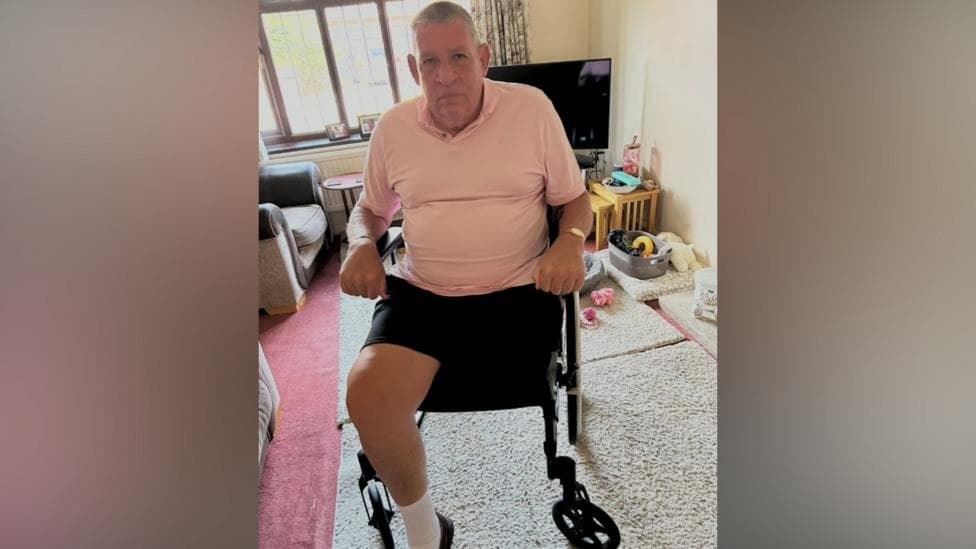
A 70-year-old man died from eye cancer after health professionals failed to arrange a recommended follow-up appointment, an inquest has concluded. Alexandar McDonald passed away at the Grange University Hospital in Cwmbran, Torfaen, on 30 November 2025, from metastatic choroidal melanoma. The coroner determined that had he received the follow-up appointment advised in June 2022, his cancer would have been diagnosed six months earlier, allowing treatment to begin almost immediately.
The case has exposed a critical capacity crisis in Welsh ophthalmology services. Figures presented at the inquest revealed approximately 140,000 follow-up appointments are awaiting review across Wales, yet only 65 consultant ophthalmologists are available to manage them. The coroner warned that other patients face "significant risk" due to these systemic failures.
What happened during McDonald's care?
McDonald attended an urgent ophthalmology appointment in June 2022 following a routine eye test that had raised concerns. A scan performed at that appointment prompted a consultant to recommend a review appointment six months later. However, no follow-up appointment was ever scheduled or provided to him.
The situation remained unaddressed until June 2023, when McDonald attended a routine check-up at which fresh concerns emerged. A subsequent scan led to the diagnosis of eye cancer. By that point, the disease had already progressed significantly. Following the delayed diagnosis, McDonald underwent multiple treatment courses, but the melanoma eventually spread to his liver, ultimately causing his death.
What did the coroner find?
Gwent area coroner Rose Farmer issued a Prevention of Future Deaths report highlighting systemic failures in ophthalmology referral management. She found "substantial delays in ophthalmology follow-up appointments across Wales" and concluded that "capacity appears insufficient to meet the demand."
Farmer noted the absence of a national mechanism to track patients requiring surveillance for eye conditions, meaning those needing ongoing monitoring may experience prolonged delays.
"This case demonstrates the impact of not having timely follow up appointments. Similar delays may place other patients at risk of delayed diagnosis of malignancy and death,"the coroner stated.
She warned there was a "risk that future deaths could occur unless action is taken" and sent her report to the Welsh government's department for health and social care.

What is the scale of the problem?
The backlog of unreviewed ophthalmology follow-up appointments represents a substantial challenge to the Welsh health system. With only 65 consultant ophthalmologists available to manage 140,000 pending appointments, the ratio of specialists to cases is severely strained. This capacity shortage has created conditions where patients requiring surveillance for conditions such as melanoma may wait months beyond clinically recommended timeframes.
Recent recruitment efforts have begun to address the shortage. According to a June 2026 Hywel Dda University Health Board report, two specialty and associate specialist doctors, one regional vitreoretinal consultant and two trainees had recently been recruited. However, the same report indicated that only 82% of patients were being seen within the follow-up target, falling short of the 95% target that should be achieved.
How has the Welsh government responded?
The Welsh government acknowledged the case represented "unacceptable failings in the management of referrals." In a statement responding to the coroner's report, officials said:
"It is vital that lessons are learned from this tragic case, caused by unacceptable failings in the management of referrals, and our thoughts are with the family of Alexander McDonald."
The government directed all health boards to establish standard operating procedures addressing the issues raised, including ensuring adequate capacity to meet demand for follow-up surveillance and guaranteeing that patients requiring ongoing monitoring are reviewed within clinically intended timescales.
"As a government we will robustly hold health boards to account for performance,"the statement added.
What do medical leaders say?
Mohamed Elalfy, president of the Royal College of Ophthalmologists, identified multiple structural obstacles facing Welsh eye services.
"Services in Wales face a number of long-standing challenges, including dilapidated estates, workforce shortages and poor IT infrastructure. These are key reasons why many patients often unfortunately face unacceptable delay,"he said. Elalfy called for the implementation of reforms "as an urgent priority."
The McDonald case reflects broader challenges across UK health services. England's cancer treatment performance is worsening, with only 69.9% of patients starting treatment within the 62-day target, and experts warn thousands will die unnecessarily without urgent action to address workforce shortages and diagnostic capacity. Similarly, Northern Ireland faces a radiology crisis with extended waits for scans and results described as "dangerously long" by patients and cancer advocates.
What is a Prevention of Future Deaths report?
The coroner's Prevention of Future Deaths report is a formal mechanism distinct from an inquest verdict. According to Welsh Government guidance, such reports are intended to prompt action to reduce risks that could lead to further deaths. The report issued in McDonald's case specifically targets systemic failures in how ophthalmology referrals and follow-up appointments are managed across Wales.
Key facts
- Alexandar McDonald died on 30 November 2025 from metastatic choroidal melanoma after a recommended follow-up appointment in June 2022 was never scheduled
- An inquest found the cancer would have been diagnosed six months earlier had the follow-up appointment been provided, allowing earlier treatment
- Approximately 140,000 ophthalmology follow-up appointments are awaiting review in Wales, with only 65 consultant ophthalmologists available
- The coroner warned other patients face significant risk due to substantial delays and insufficient capacity in Welsh eye services
- The Welsh government has committed to holding health boards accountable for implementing standard operating procedures to address the failures identified