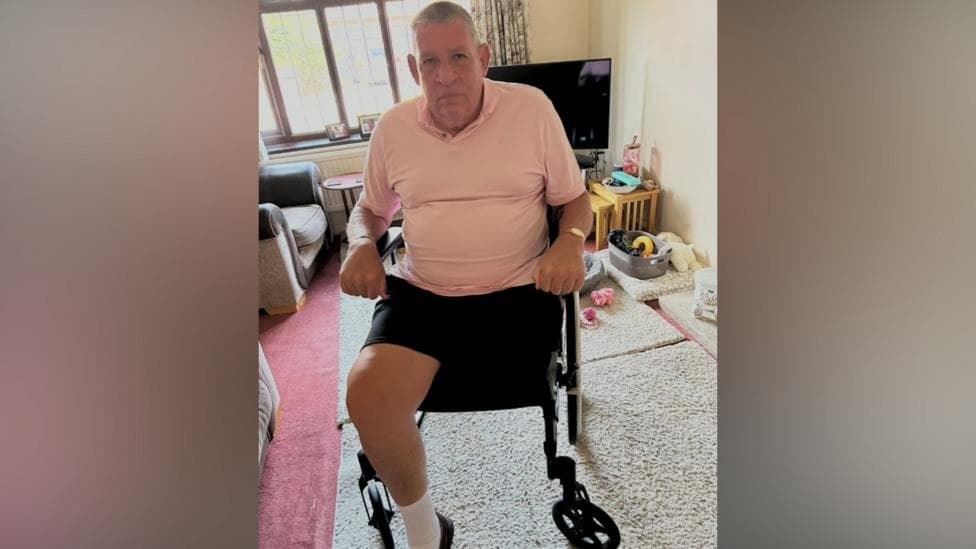
Nigel Ward, a 71-year-old amputee from King's Lynn, has been told he must provide additional medical evidence to renew his Blue Badge, even though Norfolk County Council approved his application three years ago. The council worker handling his case suggested that amputees can run marathons—a claim Ward firmly rejects as inconsistent with his own circumstances.
Ward lost his leg following a medical incident during a cruise three years ago and initially received his Blue Badge through a straightforward process. When his permit expired, he submitted photographs clearly showing his amputation, expecting the renewal to be equally straightforward. Instead, he was informed that photographic evidence alone was insufficient and that he would need to provide additional documentation from medical professionals to demonstrate his ongoing mobility difficulties.
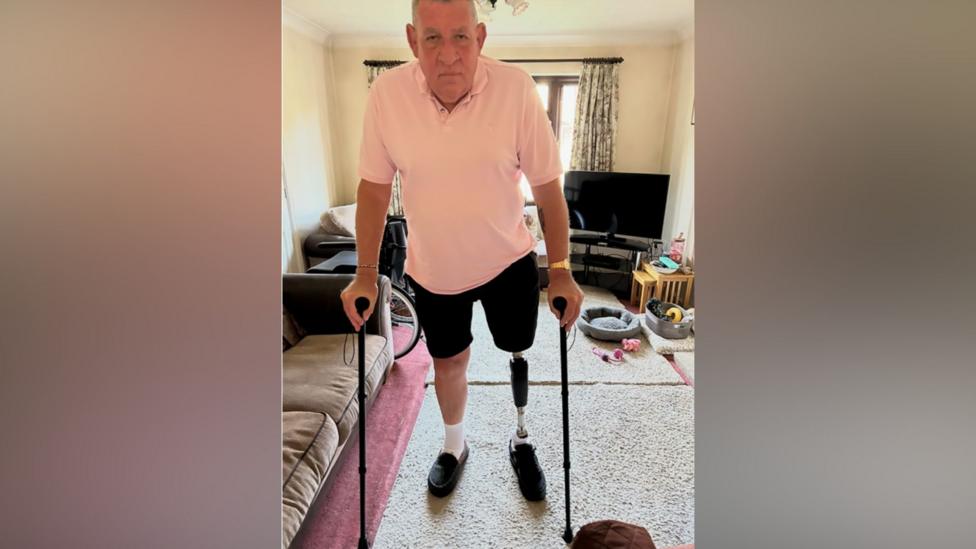
The situation has left Ward feeling discouraged about his future independence.
"I am a genuine applicant, not a benefits cheat and I need a blue badge,"he said. Without the permit, he believes his daily journeys will become significantly more difficult, yet the council has not specified what particular evidence would satisfy their requirements.
Why does the council require new evidence?
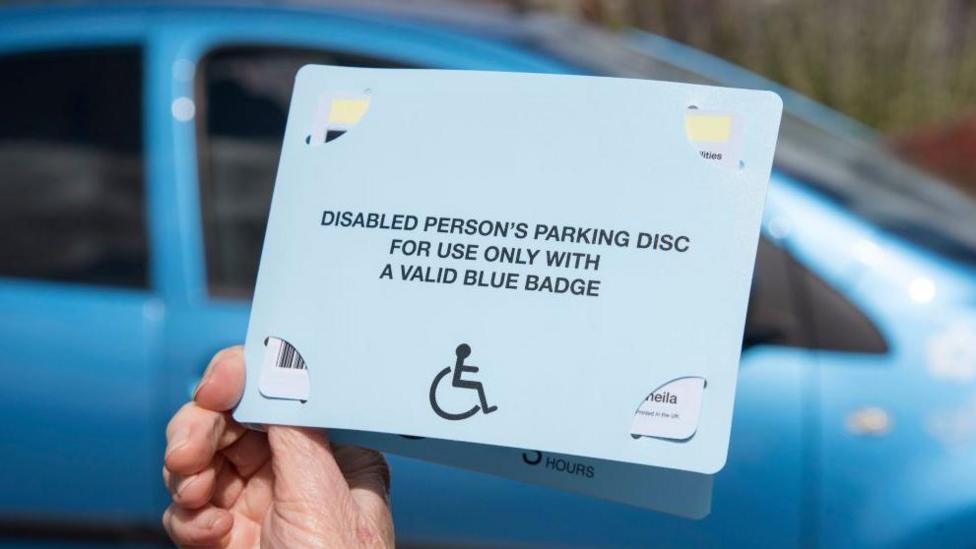
Norfolk County Council operates under Department for Transport guidance that requires applicants to provide evidence with each application to prove their disability remains ongoing, even those renewing existing badges. A council spokesperson explained that
"Applicants must adequately evidence the difficulties they experience whilst walking, this applies to those reapplying for an expiring blue badge as well as first time applications."The guidance allows evidence to take the form of letters, reports, or details of treatment from medical professionals.
According to Department for Transport guidance, most Blue Badges are issued for up to three years, with officials stating that the three-year limit helps keep badge photographs and personal details current. This policy applies to all applicants, including those with permanent disabilities.
What is Ward's challenge in providing evidence?
Ward's predicament stems from his improved health status. Since receiving his prosthetic limb, he has become sufficiently independent that he no longer requires regular medical consultations or appointments.
"I am regarded as independent now,"he explained,
"and would only need their assistance if something went wrong, either with the prosthetic limb or the stump."This means he has no recent medical documentation to submit, despite his clear and permanent physical disability.
Ward's situation reflects a broader tension in the Blue Badge system: the council requires ongoing medical evidence to prove eligibility, yet successful rehabilitation and independence—the ultimate goal of medical treatment—can paradoxically make that evidence harder to obtain.
Is this a widespread problem?
After Ward's daughter raised his case on social media, multiple people contacted him to report facing similar difficulties when renewing their Blue Badges. Ward believes that increased scrutiny of genuine applicants may stem from concerns about fraudulent claims. Norfolk County Council has pursued dozens of prosecutions against individuals misusing Blue Badges, and
"Blue badges are sometimes used fraudulently by drivers who do not need them."
Two Norfolk-based disability charities, Disabled Motoring UK and Equal Lives, have previously highlighted that Blue Badge users frequently encounter abuse and suspicion from other drivers when parking in disabled bays, suggesting that fraud concerns have created a challenging environment for legitimate users.
What support exists for applicants?
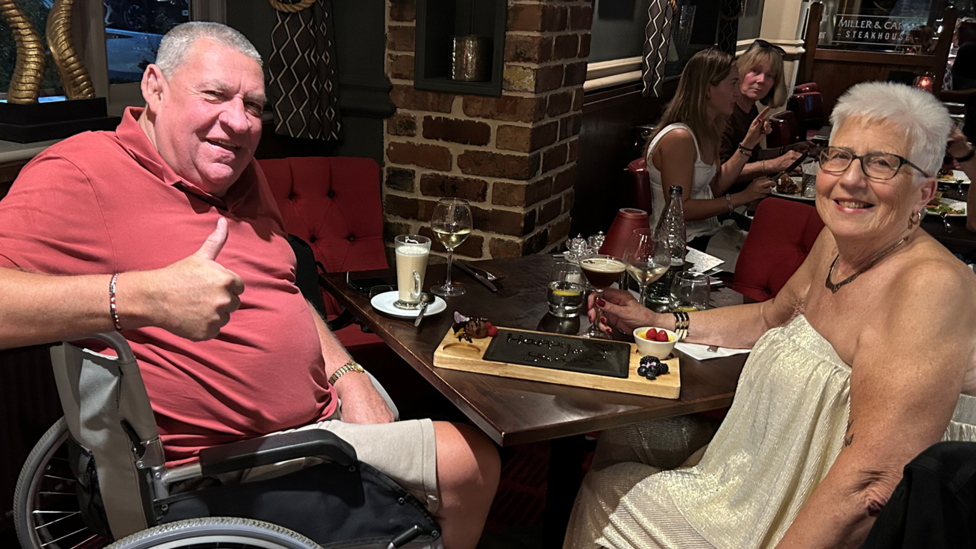
Norfolk County Council has stated that it is following correct procedures and emphasized the importance of Blue Badges for maintaining independence. A spokesperson said:
"We know how important blue badges are for helping people to remain independent. We have to work within the guidance set for us by the Department for Transport, which includes detailed guidance how eligibility should be assessed through evidence and assessments."
According to a September 2026 report, the transport minister indicated that the Blue Badge Digital Service now allows councils to flag certain cases as not requiring another evidence review, potentially streamlining repeat applications for individuals with long-term or progressive conditions. Additionally, Norfolk's online service enables applicants to check their application status and upload evidence directly, though Ward has not been informed of what specific documentation would resolve his case.
Ward's experience highlights a gap between policy intent and practical application: while the system aims to prevent fraud and ensure badges go to those who genuinely need them, it can create barriers for disabled people whose medical circumstances have improved but whose underlying disability remains permanent and significant.
Key Facts
- Ward received his initial Blue Badge three years ago following amputation and now faces renewal requirements despite his permanent disability
- Norfolk County Council requires applicants to submit new evidence with each application, following Department for Transport guidance
- Ward cannot easily obtain medical evidence because his successful rehabilitation means he no longer requires regular medical consultations
- Multiple people have reported similar renewal difficulties after Ward's case was shared on social media
- Norfolk has prosecuted dozens of individuals for Blue Badge misuse, contributing to heightened scrutiny of applications