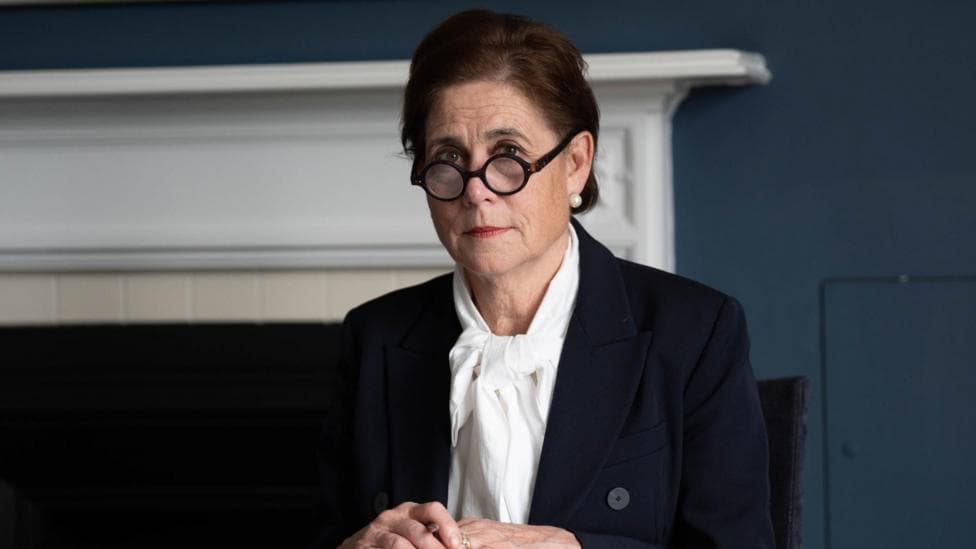
The chair of a public inquiry into mental health deaths has signalled that preliminary recommendations could be released within weeks if she identifies issues posing an urgent threat to patient safety.
Baroness Kate Lampard is investigating the deaths of more than 2,000 individuals who died while receiving care from Essex mental health services between 2000 and the end of 2023. The inquiry opened its interim recommendations hearing on 5 October, with evidence sessions scheduled to continue through to 22 October at Chelmsford Civic Centre.
Baroness Lampard stated that any interim recommendations would likely centre on inpatient safety measures, specifically resuscitation procedures and monitoring technology designed to identify patients in distress. She emphasised that these matters extend beyond Essex alone, meaning findings would be relevant to mental health service providers nationwide.
"Those two matters are not specific to Essex and therefore the evidence the inquiry hears will be of relevance to service providers across the entire country. It may carry implications for the care and treatment provided on all mental health units."
The inquiry's scope reflects concerns raised during earlier evidence sessions in July 2026, when the chair indicated she would consider interim recommendations based on testimony about observations, technology use and emergency response procedures.
What monitoring technology is under scrutiny?
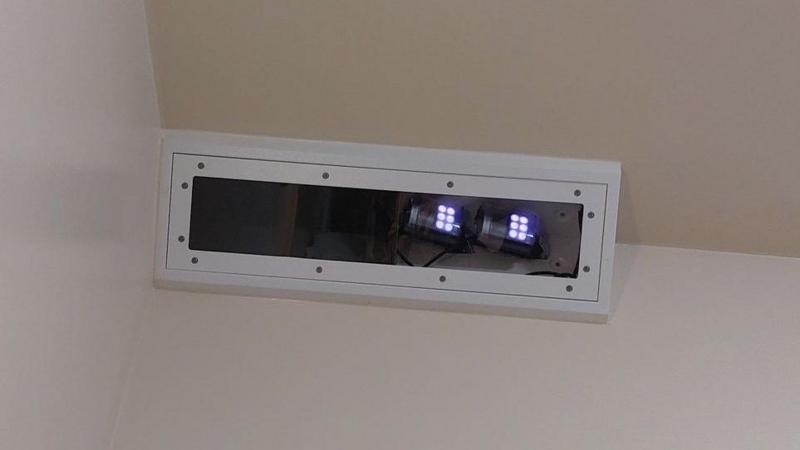
One system receiving particular attention is Oxevision, a vision-based monitoring platform that uses infrared sensors and cameras to track patients in their bedrooms, recording breathing and pulse rates. According to recent reporting, the technology is currently deployed across 40% of NHS mental health trusts in England.
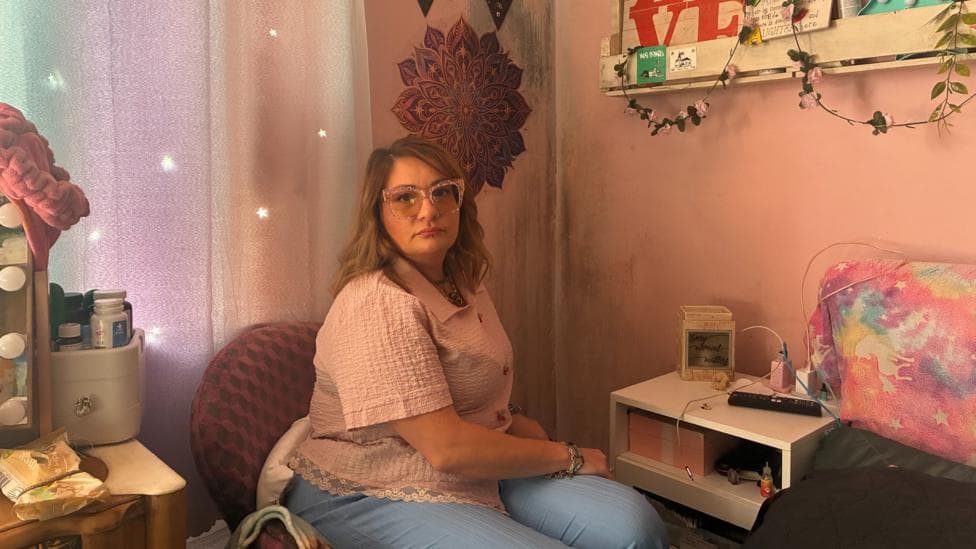
However, the system has generated significant controversy. Privacy advocates and families have raised concerns about dignity, consent and whether the technology might replace direct human interaction with patients. Tammy Smith, whose daughter Sophie Alderman died in hospital in 2022, previously told the inquiry that monitoring systems undermine essential care.
"It actually takes away human interaction. They are at their most vulnerable. They need those conversations. They need someone to ask, 'Are you OK? Do you need anything?' We all need that."
Ahead of the October hearing, Smith reiterated her concerns, stating:
"Sophie was meant to be safe in hospital."

Academic scrutiny has also emerged. According to evidence presented to the inquiry, Oxford University experts reviewed 45 studies used to support Oxevision's introduction and concluded they did not provide "strong independent evidence" of improved patient safety, acceptability or cost effectiveness.
What do technology providers and regulators say?
LIO Health, the company behind Oxevision, maintains that the technology helps prevent serious incidents, supports staff in delivering care and reduces administrative burden. The firm argues that monitoring systems play a vital role in modern mental health provision.
NHS England has taken a more cautious stance, stating that any vision-based monitoring technology must support a human rights-based approach to care and operate in line with legal requirements and appropriate patient consent.
What evidence will the inquiry hear?
The interim recommendations hearing running from 5 to 22 October will receive testimony from NHS England, the Care Quality Commission and the Medicines and Healthcare products Regulatory Agency. NHS England's National Delivery Director for Mental Health, Learning Disability and Autism, Gareth Harry, is listed to give evidence during the sessions.
Families affected by deaths will be invited to present their views on possible recommendations during a virtual hearing scheduled for 20 October. Baroness Lampard will then decide whether to issue interim recommendations based on the evidence and testimony received.
What happens next?
The inquiry is expected to continue into 2027, with the final report anticipated in 2028. That comprehensive report could reshape mental health service provision across England, given the national scope of issues being examined.
Baroness Lampard has made clear that the inquiry is of national interest, with potential implications extending far beyond the Essex services at the centre of the investigation.