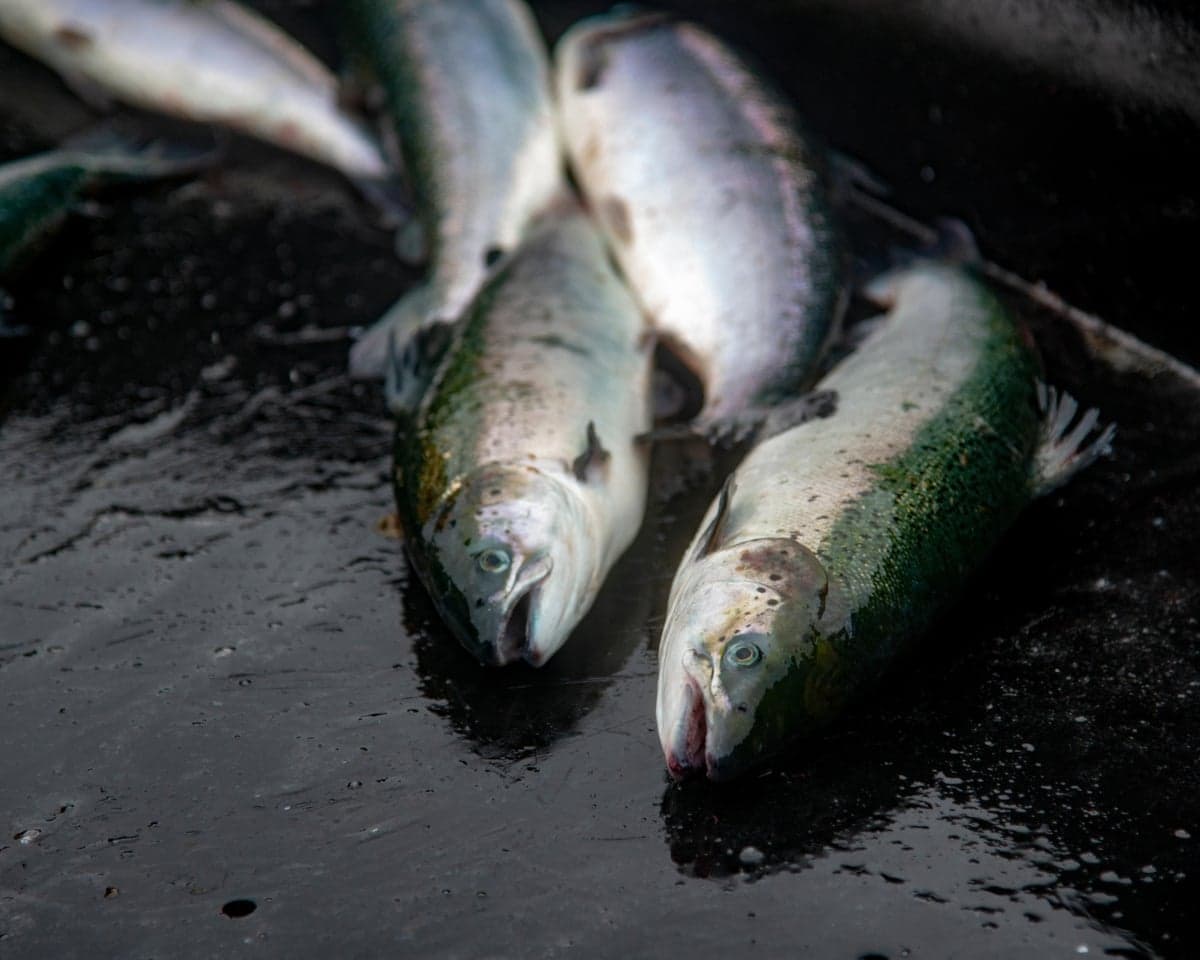
Up to 77 million fish are slaughtered annually across the UK, yet neither England nor Wales operates a system of routine or mandatory inspections at fish slaughterhouses, Animal Equality UK has revealed. The charity's investigation found that all official bodies responsible for animal welfare and food standards in both nations declined responsibility for regular oversight, leaving the sector largely unmonitored.
Government concern about fish slaughter methods extends back several decades. When Animal Equality UK approached the Animal and Plant Health Agency (APHA) for information, it was directed to the Fish Health Inspectorate (FHI). However, both the APHA and the FSA subsequently confirmed they do not carry out routine or mandatory inspections of fish slaughterhouses, as did the FHI itself.
Abigail Penny, executive director of Animal Equality UK, described the situation as unacceptable.
Fish are thinking, feeling beings, capable of pain. It is a disgrace that not a single government agency will take responsibility for checking on their welfare at slaughter. This is a huge blindspot, and it leaves these animals all the more vulnerable behind closed doors.
How long has this been an issue?
Regulatory gaps in farmed fish welfare have persisted for three decades. In 1996, the government's expert advisory body, the Farm Animal Welfare Council—now known as the Animal Welfare Committee—first recommended that slaughter standards be established. The committee revisited the matter in 2014, publishing a detailed opinion on welfare at the time of killing. According to that 2014 assessment, staff must be trained and competent, suitable equipment must be used, and fish must not regain consciousness before death.
In its most recent update, published in 2025, the Animal Welfare Committee reaffirmed that farmed fish should be stunned before slaughter and noted that England and Wales currently have no routine animal-welfare inspection programme at fish-processing premises. On multiple occasions, the committee has urged governments across the UK to legislate for pre-slaughter stunning and to establish inspection systems to enforce those standards.
What has the government promised?
In December 2025, the government committed to introducing humane slaughter requirements for farmed fish. However, the England strategy states these requirements will be introduced "subject to consultation", and draft legislation has not yet been published. The strategy sets out animal-welfare priorities through 2030.
Penny expressed frustration at the prolonged delay.
For 30 years, people in power have known that farmed fish need legal protection when they are slaughtered, yet for 30 years decisionmakers have failed to act.She continued:
The government promised to change the law, and we welcome that promise, but promises don't protect animals. Every month of delay leaves millions of fish at risk of prolonged, painful deaths. Ministers must bring forward species-specific slaughter legislation now, backed by a proper inspection regime, so that what happens to these animals is no longer left to chance. It's the least they deserve.
What is the scale of farmed fish production in the UK?
Animal Equality UK estimates that approximately 7,742 tonnes of trout are killed annually in England and Wales alone. The British Trout Association reports that the UK operates almost 290 trout farms, including hatcheries, with concentrations in northern England, southern England, and southern Scotland.
The APHA disputed the characterisation of fish farms as unregulated. An APHA spokesperson stated:
It is incorrect to suggest fish farms aren't regulated or inspected by government bodies. APHA investigates reports of suspected cases of poor welfare at fish farms, and the Fish Health Inspectorate inspects them on behalf of the government. We do not hesitate to take further action if we find evidence of cruelty or neglect.
What happens next?
The government has committed to working with interested parties to deliver its animal-welfare programme, with targets set for completion by the end of 2030. Animal Equality UK is pressing for species-specific legislation and a mandatory inspection regime to be introduced without further delay.
Key Facts
- Up to 77 million fish are slaughtered annually in the UK with no routine inspections in England and Wales
- Government advisory bodies have recommended farmed fish slaughter standards since 1996, but no legislation has been enacted
- Approximately 7,742 tonnes of trout are killed each year in England and Wales alone
- The government committed in December 2025 to introducing humane slaughter requirements, subject to consultation