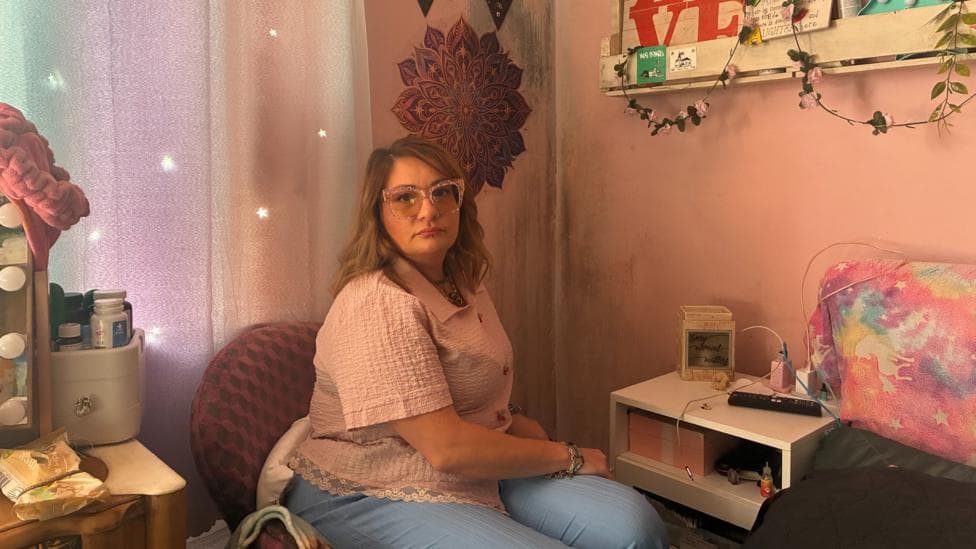
Melinda Ban owns her flat in Llanishen, Cardiff, but the local council holds the building's lease, creating a dispute over responsibility for persistent damp and mould that has plagued her home for two years following a 2024 fire. The 41-year-old and her teenage sons have endured deteriorating living conditions, with Ban describing the situation as emotionally draining and her family's life as being "on hold".
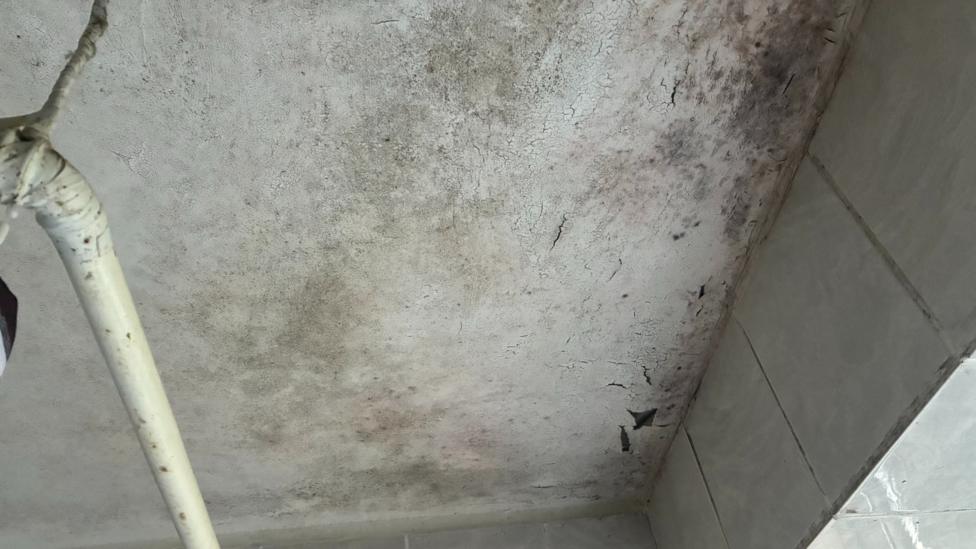
The fire that broke out in one of the apartments in the block triggered a cascade of problems for Ban's property. Water damage from the incident led to widespread mould and damp, forcing her to replace all of her children's furniture and purchase new beds after their original bunk-beds were ruined. Photographs appear to show mould in the kitchen and bedrooms, with visible black growth on walls and ceilings.
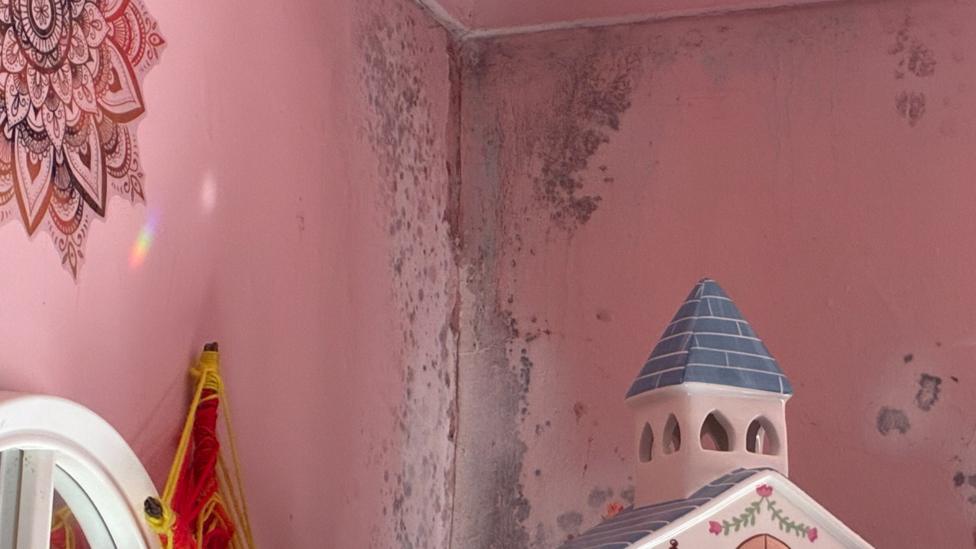
Ban has become locked in a frustrating cycle of cleaning and reporting.
"This is my everyday life: I wake up, I look at the mould, I clean the mould, I email the council... they don't listen to me,"she said. She described the damp and mould as "constant" and emphasised that
"I just need my home back".
The impact on family life has been severe. Her youngest son has asthma, prompting Ban to move his bedroom into the living room to reduce his exposure to the mouldy environment.
"My boys don't want to bring people back to the house, it's like our lives are on hold,"she explained. The loss of living space has eliminated the family's ability to socialise together.
"We've got no space anymore to socialise like family. I hate my property, it's disgusting, and I feel suffocated because I can't sell it like this,"Ban said.
The emotional toll has been significant.
"I'm sick, I'm emotionally drained. It literally feels like a fight I'm not winning at all. I just can't see the light at the end of the tunnel,"Ban stated.
What does the council say about the mould?
Cardiff Council has disputed the severity of the problem. An independent survey conducted in July and August 2026, according to local reporting, found black mould but identified no structural damp, water penetration, or building defects. The council's dry homes team carried out two inspections and agreed ventilation improvements were needed.
A council spokesperson acknowledged the situation but maintained their position:
"We recognise the frustration and disruption the resident and her family have experienced and understand the impact this has had on their daily lives."The council said it had investigated her concerns on multiple occasions and found
"no evidence of structural damp, water penetration, or building defects"and that the roof was in satisfactory condition.
The council attributed the mould to ventilation issues rather than structural problems.
"As the small amount of mould was because of lack of ventilation in the property this was a matter for the leaseholder to resolve,"the spokesperson said.
Who is responsible for repairs in leasehold properties?
The ownership structure creates confusion about responsibility. Ban owns her flat outright, but Cardiff Council owns the building's lease, which means it is responsible for maintaining the building's structure and external areas, according to the council's leaseholder guidance. Leaseholders contribute to maintenance costs through service charges.
The council acknowledged communication problems but said it had worked to improve the situation.
"Unfortunately there have been some issues with communication, however the council has worked to provide a clear and coordinated response, including appointing a single point of contact to support the resident and her family,"the spokesperson said.
What about compensation and insurance claims?
The council has indicated that financial remedies lie outside its remit. According to reporting on the dispute, any matters relating to compensation, damaged possessions, or fire reinstatement would need to be pursued through relevant insurance or legal processes.
The council concluded by reaffirming its commitment:
"The council remains committed to responding to residents' concerns and will take appropriate action where investigations identify the need for further work."
Key Facts
- Ban has lived with mould and damp for two years following a 2024 fire in the apartment block
- An independent survey found black mould but no structural damp or water penetration, according to the council
- The council says the mould results from poor ventilation, which it considers the leaseholder's responsibility to address
- Ban's youngest son has asthma and has had his bedroom relocated to the living room
- The dispute highlights the complexity of responsibility in leasehold properties where councils own the lease but residents own individual flats