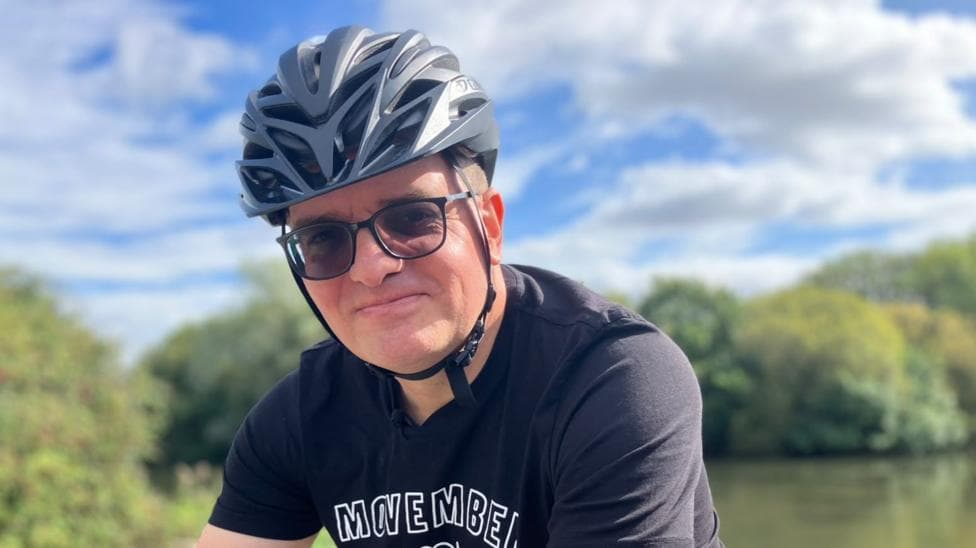
Ben Lidgey from Cardiff learned he had testicular cancer only after his four-year-old son accidentally kicked him in the testicles while they were playing in the garden. When the pain persisted beyond a week, he sought medical attention and received his diagnosis—a discovery that may have saved his life by catching the disease early.
Lidgey initially dismissed the injury, assuming it would resolve on its own.
It's one of those fairly typical things that happens to men and you shrug it off and think, well, it'll get better,he explained.
I was in a busy family environment, you know, two small children, there were lots of other things going on.
His experience highlights a broader pattern affecting men across Wales. A new report from men's charity Movember reveals that one in three men in Wales die before reaching 75, prompting calls for the Welsh government to establish a dedicated men's health strategy. According to Movember, testicular cancer has a survival rate of more than 95% when caught early, underscoring the importance of prompt diagnosis.
Why are men dying younger in Wales?
Men's reluctance to seek help for physical and mental health concerns is frequently identified as a key factor in higher male mortality rates. The Movember analysis found that nearly 7,000 men died before their 75th birthday in 2024, compared to a significantly lower rate of 28% for women. Men typically die from preventable conditions or those that respond well to early intervention, including certain cancers, heart disease, lung disease, liver disease, conditions related to substance abuse, and suicide.
Geography compounds the problem. Premature mortality rates in Blaenau Gwent are approximately 60% higher than in Powys, while men living in the most deprived communities have a life expectancy 7.5 years lower than those in the least deprived areas. The economic impact is substantial: the analysis estimates that the top five causes of premature male death cost the Welsh economy £1.4 billion annually.
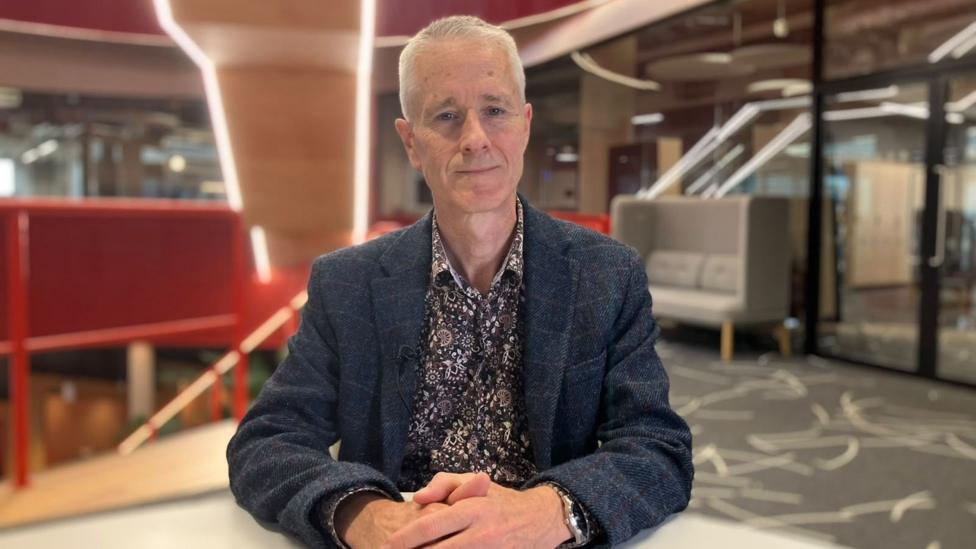
Jonathan Scourfield, professor of Social Care at Cardiff University, attributes some of these disparities to cultural expectations around masculinity.
Young men, in particular, are much more likely to get injured and die from physical risk taking. The expectation of physical strength.He noted that some men neglect to build social networks or rely entirely on female partners for social connection, leaving them vulnerable to severe loneliness if widowed or retired.
Diet represents another area where cultural attitudes affect health outcomes.
Diet is a really important aspect... a lot of healthy foods such as fruit and vegetables, not seen as a particularly manly thing. However, some less good for you stuff like drinking heavily is seen as something that is kind of a boy growing into a man.Scourfield observed that despite the decline of heavy industry and manual labour, traditional images of masculinity persist among younger men, amplified through social media and influencers.
What support exists for men's mental health?
Several organisations are already working to improve men's wellbeing. MenTribe, a support group based in Bangor and Snowdonia, focuses on building resilience and mental and physical health through outdoor challenges. Co-founder Callum Tipton, a former soldier who left the army after 13 years with PTSD and depression, began organising hiking groups to combat his own loneliness.
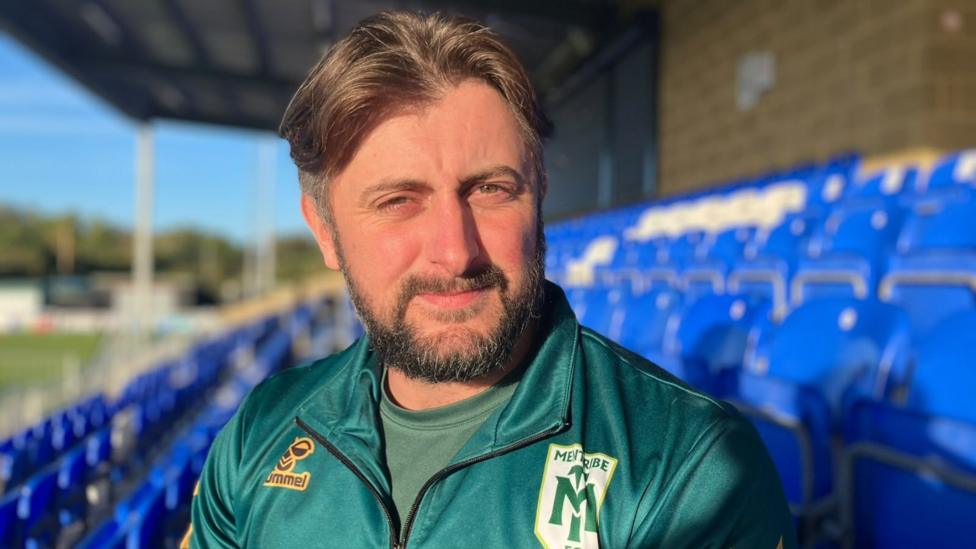
Being active, it's obviously releasing the natural endorphins in their bodies as well so they're getting a bit of a feel-good factor from it and then obviously when they're opening up and talking about things they're lot more relaxed,Tipton said. The group now organises monthly hikes and weekly football sessions.
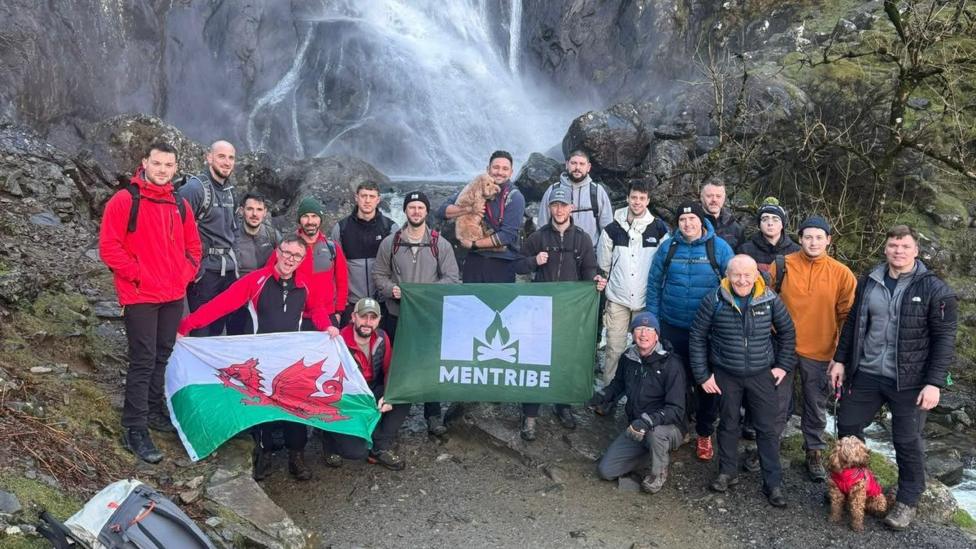
Gavin Roberts, 44, discovered MenTribe after experiencing profound personal loss. Five years ago, his twin boys suffered from twin-to-twin syndrome, resulting in the death of one child. His surviving son, now five, has hyperplastic left heart syndrome, meaning he has half a heart and only one functioning lung.
I tried to deal with it all myself, but it's hard because friends and family will rarely understand exactly what's involved.
Roberts found the group two years ago and credits it with providing essential support.
When I found the MenTribe group probably two years ago, I thought it'd be nice just to have a bit of company in the mountains because I was quite often in the mountains and I go on my own. I've lost a couple of friends to suicide and I hope that guys can just reach out and make that first step so that they can just walk and talk, or not even talk, they can just walk and be active again.
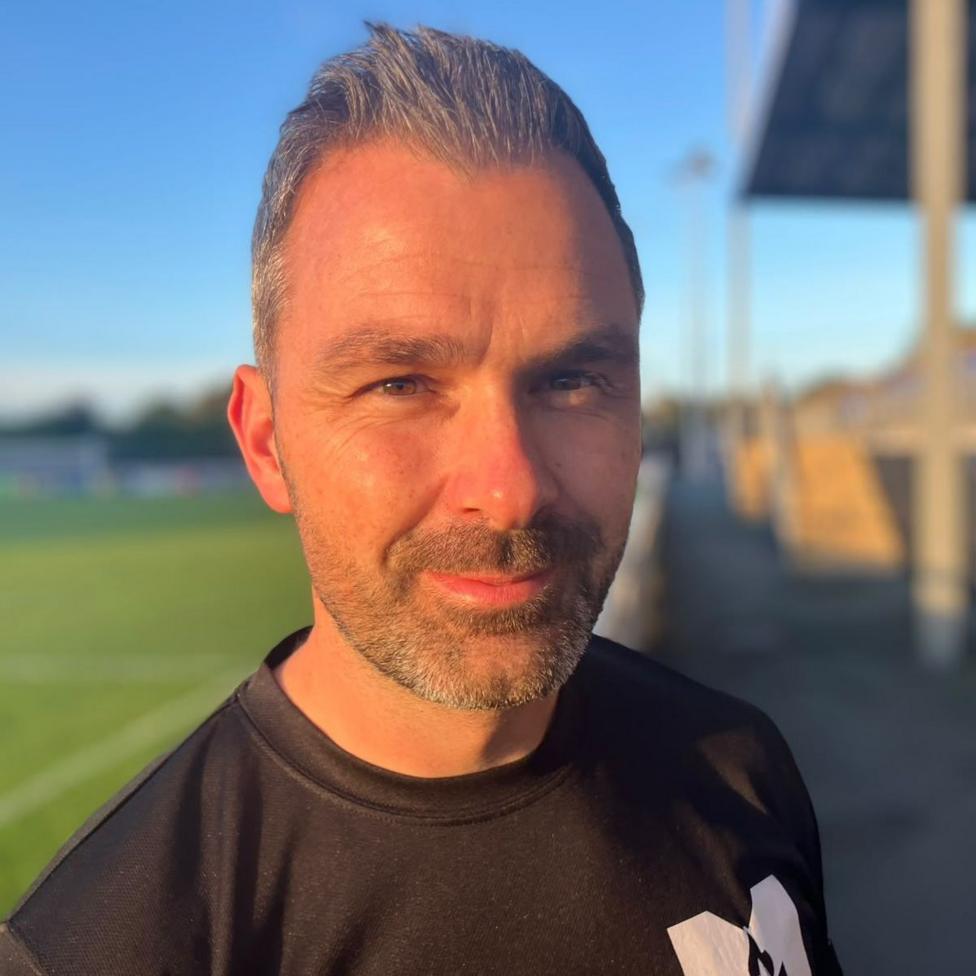
It's easier for men to open up to strangers rather than those close to them,Roberts reflected, highlighting a paradox in how men access support.
What are high-profile figures saying?
Welsh football legend John Hartson has joined calls for a dedicated men's health plan. In July 2009, Hartson underwent emergency brain surgery after testicular cancer spread to his brain and lungs.
When I detected a little lump on my testicle... I was just ignorant of my own health - I just thought I'll get on with it,he said.
That's a regret to have put my family through because they were living the cancer with me.
Hartson's support for the initiative carries additional weight following personal tragedy. He lost his brother to suicide earlier this year and emphasises that high suicide rates among men must be understood and addressed systematically.
Following his cancer diagnosis, Lidgey faced an unexpected psychological challenge.
I felt like I was fine but after five years my wife said 'I don't think you are fine. I think you need to talk to somebody'.She had noticed changes in his behaviour:
She was picking up on the fact that I was perhaps a bit shorter, a bit more argumentative, less patient with people and just not the same person I was before.After receiving counselling, Lidgey improved significantly and now advocates for expanded mental health support for men and boys.
What policy changes are being proposed?
Movember's report recommends that national men's health strategies be developed across the UK's four nations. A dedicated Welsh men's health plan would complement the existing women's health plan published in 2024 and would not require starting from scratch, as many organisations are already engaged in relevant work.
A Welsh government spokesperson responded to the report:
We are already addressing men's health by focusing on prevention and early intervention, encouraging men to seek help for physical and mental health issues before they reach crisis point, including earlier access to mental health support and improved cancer screening uptake.
What happens next?
A session examining why Wales needs a men's health plan is scheduled for the Welsh NHS Confederation's 2026 annual conference, signalling continued momentum behind the proposal at policy level.
Key Facts
- Nearly 7,000 men died before age 75 in Wales in 2024, compared to 28% of women
- Premature male mortality costs the Welsh economy £1.4 billion annually from the top five causes of death
- Men in the most deprived communities live 7.5 years less than those in the least deprived areas
- Testicular cancer survival rates exceed 95% when detected early
- Support organisations like MenTribe are already working to improve men's physical and mental wellbeing through community-based activities