Feeling overwhelmed by the demands of modern life, I embarked on a month-long experiment with daily to-do lists to regain a sense of control over my finances, health, productivity and home. What began as a simple notepad exercise evolved into a transformative practice that revealed both the power and pitfalls of structured task management.
The catalyst for change arrived in an unexpected form. A Blu-ray copy of Alvin and the Chipmunks had occupied my bookshelf for years, gathering dust, until one afternoon a shaft of sunlight illuminated it as though by divine intervention. The realisation struck me: I had never watched it, had no intention of watching it, yet continued to let it languish untouched. This small moment of clarity exposed a larger truth—I was fundamentally disorganised.
The problem extended far beyond a single unwanted film. My wardrobe overflowed with clothes requiring organisation, my cupboards brimmed with mysterious contents, and my shelves held crockery I had never used. The prospect of tackling any of it felt paralyising. Beyond the physical clutter, my finances needed attention, my health had suffered from neglect, and my productivity seemed to evaporate despite having 24 hours available each day.
I recognised I was not alone in this struggle. The rise of "admin nights"—gatherings where strangers congregate in cafes and bars to work through accumulated tasks like unpaid bills, unanswered messages and unnecessary subscriptions—testified to how widespread this challenge had become.
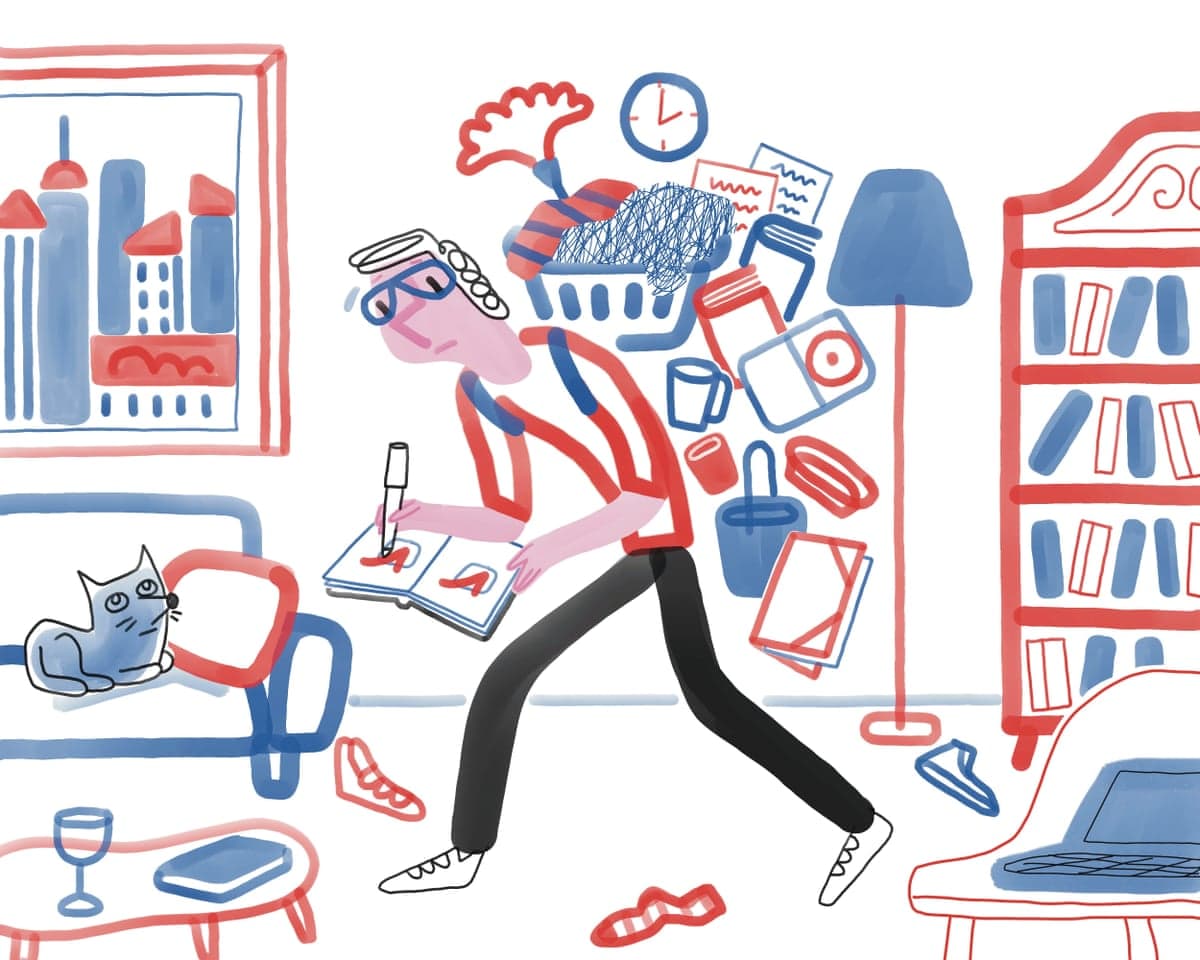
My first action was deceptively simple: I picked up a notepad and pen and created a list. The immediate relief was palpable. According to Vicky Reynal, a London-based psychotherapist, this response is entirely predictable.
We all have something in our minds about the kind of person we want to be, whether that's 'adulting' while taking more responsibility, or looking after ourselves to the best of our ability, and sometimes a to-do list can help us move a step closer.With this encouragement, I committed to a month-long journey of self-improvement.
Could I tackle my wardrobe chaos?
My first major task was to organise my clothing, a challenge more daunting than I had anticipated. My rail held two dozen smart white wooden hangers intended to create a curated aesthetic, but this vision was undermined by shabby garments hanging from them and, more problematically, by a heap of fabric piled in a compartment above. The lower layers were neatly folded, but the upper section resembled a precarious tower of T-shirts, trousers and shorts crammed into random gaps—what I termed my fabric Jenga tower.
Dismantling this three-foot-high accumulation revealed the extent of my purchasing habits. Over the years, I had bought clothes almost exclusively on sale, resulting in a wardrobe dominated by one-time mistakes worn once before being discarded or hung haphazardly. Among the casualties was a multicoloured denim Tommy Hilfiger jacket that seemed ostentatious even by theatrical standards.
Halfway through sorting, with two bin bags destined for the charity shop, I recognised I had overcommitted myself for a single day. This taught me a crucial lesson.
A good to-do list is achievable, realistic and has concrete objectives. When you break down tasks into small steps, they become more manageable and less frightening.Reynal's insight aligned with research findings: a 2011 study demonstrated that making a specific plan for unfinished goals could remove their distracting effect on later tasks, allowing participants to perform better on subsequent work.

How could a morning routine transform my productivity?
Beginning each day with a to-do list became my new ritual. Rather than immediately diving into work emails, I set aside my phone and laptop, picked up my notebook and asked myself a fundamental question: what must I accomplish today? This practice proved far more effective without the constant assault of notifications.
I started with basics—make coffee, eat breakfast—tasks that might seem trivial but provided genuine motivation as I ticked them off. I then listed my work assignments, including several I would normally postpone until they became urgent, and felt noticeably calmer. Additional goals followed: spend an hour reading, visit the gym, purchase more bin bags for my ongoing clear-out.
That day became my most productive in months. I completed my clothing organisation after work, attended the gym, and finished an hour of reading before sleep, ticking off each item and experiencing a genuine dopamine reward. The structure had transformed my approach to time management.
Could I maintain discipline while on holiday?
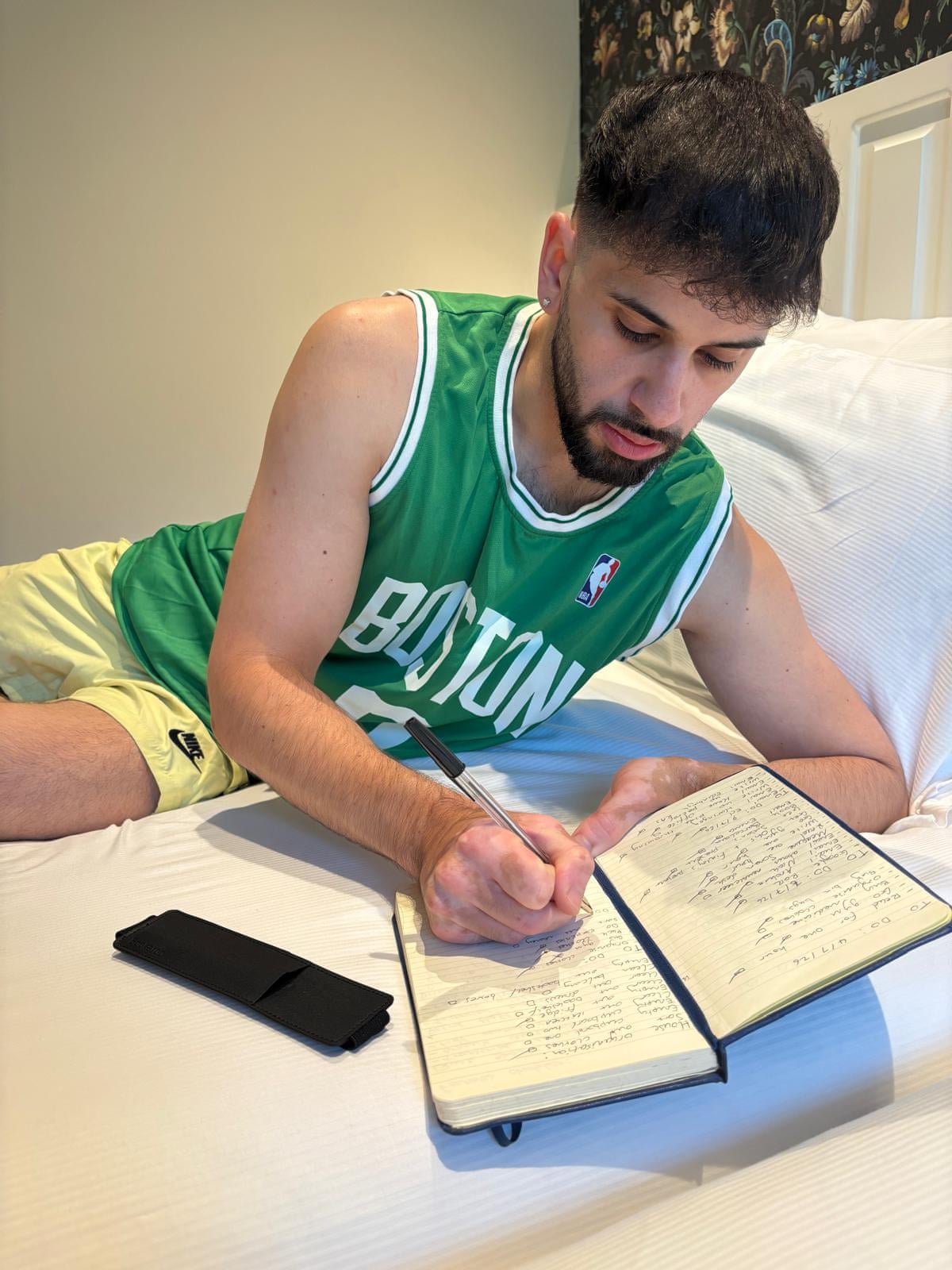
My first genuine test arrived when I travelled to Barcelona for a weekend break. Surely a holiday warranted abandoning my new discipline? Yet I feared reverting to old patterns, so I brought my notebook along.
Lying in my hotel room, I struggled to populate my list with meaningful tasks.
Read for an hourstood as the only substantial entry; the remainder consisted of maternal reminders: apply sunscreen, eat dinner, purchase souvenirs. I placed the notebook in my backpack but soon became absorbed in enjoying myself.
By 2am, I found myself in a nightclub, and guilt suddenly overwhelmed me. I had not opened my notebook for hours and most tasks remained incomplete. I briefly considered retrieving my copy of The Grapes of Wrath to squeeze in some reading, but abandoned the idea and continued the evening.
What happened when illness disrupted my progress?
My exit from the nightclub at 4am proved memorable for the wrong reasons—an angry local doused me with cold water. For the following two days, my notebook remained untouched as I recovered from illness. Although I possessed a legitimate excuse, guilt persisted. Reynal had cautioned that to-do lists could become destructive, particularly when overly ambitious or when individuals
beat yourself up over what you didn't achieve that day. Despite her warning, I found myself anxious about accumulating tasks.
Once recovered, I felt eager to address my backlog, which included completing my home organisation and tackling work emails. As an experiment, I abandoned my notebook in favour of a digital application called Todoist.
Did technology improve my task management?
The following morning, I logged my tasks on my phone but immediately noticed my attention drifting toward other applications, my focus on the day's priorities beginning to deteriorate. Nevertheless, I proceeded to tackle my bookshelf, which housed over 100 books alongside 50 DVDs, video games and that infamous Alvin and the Chipmunks Blu-ray—the first item consigned to a bin bag.
The accumulated detritus revealed itself gradually: three unread copies of The Day of the Triffids, magazines dating back at least five years, and several thousand-page volumes I would never read. I experienced genuine conflict between the person I imagined becoming—an intellectually voracious master of contemporary culture—and reality, where I completed perhaps a dozen books annually. The lists were transforming me into someone ruthlessly organised and productivity-focused, but at what cost?
I retrieved some of the more ambitious titles from the discard pile. While I wanted to enhance my productivity, I refused to abandon the fantasy that I might one day tackle War and Peace.
My digital to-do list proved ineffective. Beginning my day in the virtual realm allowed my thoughts to wander and old impulses to resurface—namely, succumbing to notifications and doomscrolling. I reverted to my physical notepad, and the difference was immediate.
The quaint squiggle of a pen focuses my thoughts once more.Reynal acknowledged this preference variation:
Some clients tell me of the satisfaction they feel from physically crossing something off a list. But these days apps can throw confetti at you and help you feel equally in touch with the emotional feeling that comes when you achieve something.

Could an admin night accelerate my progress?
I invested extra time collating my list and used the day as a reset opportunity. To maintain momentum, I invited friends over for our own admin night. Research supported this approach: a survey of 300 undergraduate students found that more frequent and structured to-do-list use was associated with less procrastination. Additionally, one study involving Reynal found that attending an admin night monthly could save approximately £2,400 annually, particularly through budgeting focus or identifying cheaper utility providers.
Two friends arrived around 6pm, and I prepared snacks in my air fryer and selected ambient music to set the mood. However, my small studio flat proved inadequate for the task. We squeezed onto my sofa, laptops balanced on our laps, attempting to work through our respective backlogs.
My objective was to gain control of my finances: cancel unnecessary subscriptions, analyse my spending patterns and calculate potential savings from eliminating frivolous expenditure. I made reasonable progress, completing several spreadsheet columns, but the cramped quarters soon became oppressive. Combined with the ambient music, the environment resembled being trapped in a confined lift with no escape route.
How did structured planning improve my nutrition?
My notebook usage intensified, and I dedicated one day entirely to meal preparation. My usual shopping approach involved wandering supermarket aisles without a list, selecting whatever caught my eye, resulting in haphazard meals that rarely satisfied. This time, I arrived with a thoughtful list accounting for protein content, cost and flavour preferences. Upon returning home, I prepared an extra-meaty chilli, spicy chicken noodles and beef kofte with bulgur using my remaining mince.
Would I have undertaken this balanced meal preparation without my to-do list and shopping list? Almost certainly not. Nutritional balance typically ranked last among my priorities while managing everything else.

Could I maintain momentum during unexpected chaos?
One morning, I rushed from my flat without writing my tasks, anticipating a hectic day covering the Clacton byelection in Essex. When I found a moment, I did something that might appear pointless: I documented tasks I had already completed—packed bag, purchased train ticket, emailed contacts—to acknowledge my accomplishments. Reynal confirmed this approach had merit:
You're trying to tap a little bit further into that feeling of achievement.The day extended into night, with results not declared until approximately 5am. Sleep deprivation must have affected my perception; an intergalactic bin somehow finished second.
Did the experiment deliver lasting change?
By the final week, substantial tasks were being crossed off regularly. My flat was becoming noticeably decluttered, I had processed a significant pile of non-urgent work emails, and both my financial and physical health had improved measurably. Several challenging tasks remained, though Reynal noted that completing easier items could
spark a virtuous cycle. It gives you a sense of confidence that you can achieve something.
She cautioned against postponing the most difficult tasks until the end,
when you're depleted and your energy is at its lowest. Her warning echoed in my mind as I confronted two large cupboards I had avoided for years. Beyond a few surprises—including a pink minifridge—the reality proved less daunting than my expectations. The majority consisted of empty appliance boxes. I completed the clear-out rapidly and proudly marked off this previously intimidating task.
On the final day of my experiment, I reflected on whether my life had genuinely transformed. In certain respects, absolutely. Not necessarily because of what I had discarded, replied to or organised, but because of the control it had restored. I had long believed nothing could combat my overwhelming sense of chaos. We remain perpetually accessible via our phones, subscriptions dominate if we wish to maintain cultural relevance, and with contactless payments and delivery applications normalised, our finances and wellbeing easily spiral beyond our control.
Reynal articulated this challenge precisely:
As life becomes more chaotic and complex, it becomes increasingly difficult to hold everything in our minds. Our mental load is growing and, with it, so is the stress of holding it all together. Any tools that can help us hold it all in place are helpful and to-do lists are one of those tools.Research supports this understanding: in a sleep-laboratory study of 57 healthy adults aged 18–30, those who wrote a specific to-do list for five minutes before bed fell asleep faster than those who wrote about completed activities, suggesting that externalising tasks reduces mental burden.
The experiment had succeeded not through revolutionary change but through restoration of agency. My notebook received a final tick.