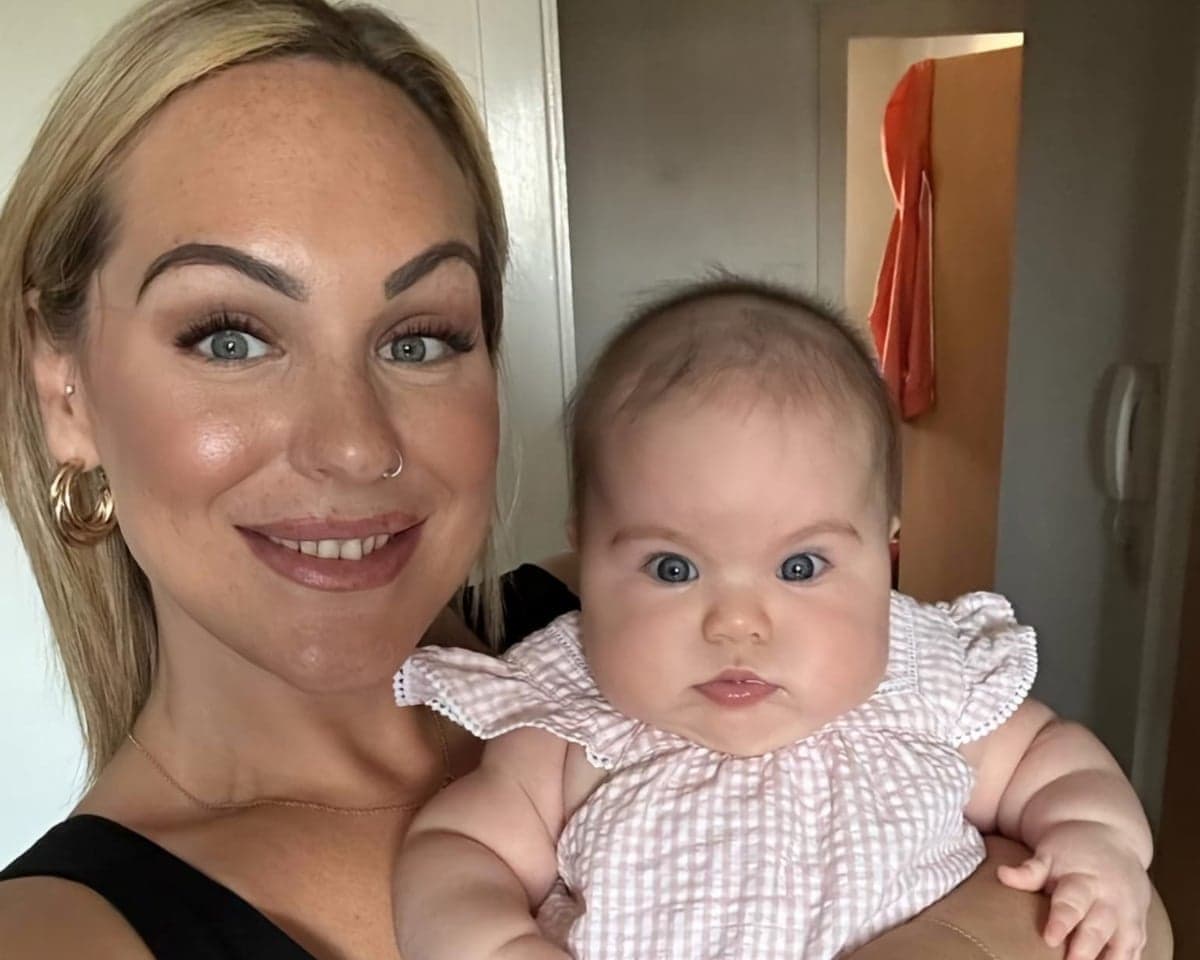
Five-month-old Esta High died at Leeds General Infirmary in November 2023 after medical staff attributed her symptoms to Covid-19 rather than investigating a bacterial infection. An inquest jury has now concluded that she may have survived had doctors tested her for meningitis sooner and begun antibiotic treatment promptly.
According to The Guardian, Esta was admitted to the emergency department in early November 2023 with a high temperature and vomiting. She tested positive for coronavirus, which led clinicians to focus on that diagnosis and overlook critical warning signs of streptococcus pneumoniae meningitis.
On 20 October 2026, the inquest jury of five women and six men delivered their verdict at Wakefield coroner's court:
Esta died of natural causes which was contributed to by neglect. Had Esta received required care, based on the balance of probabilities, it would have probably saved or prolonged her life.
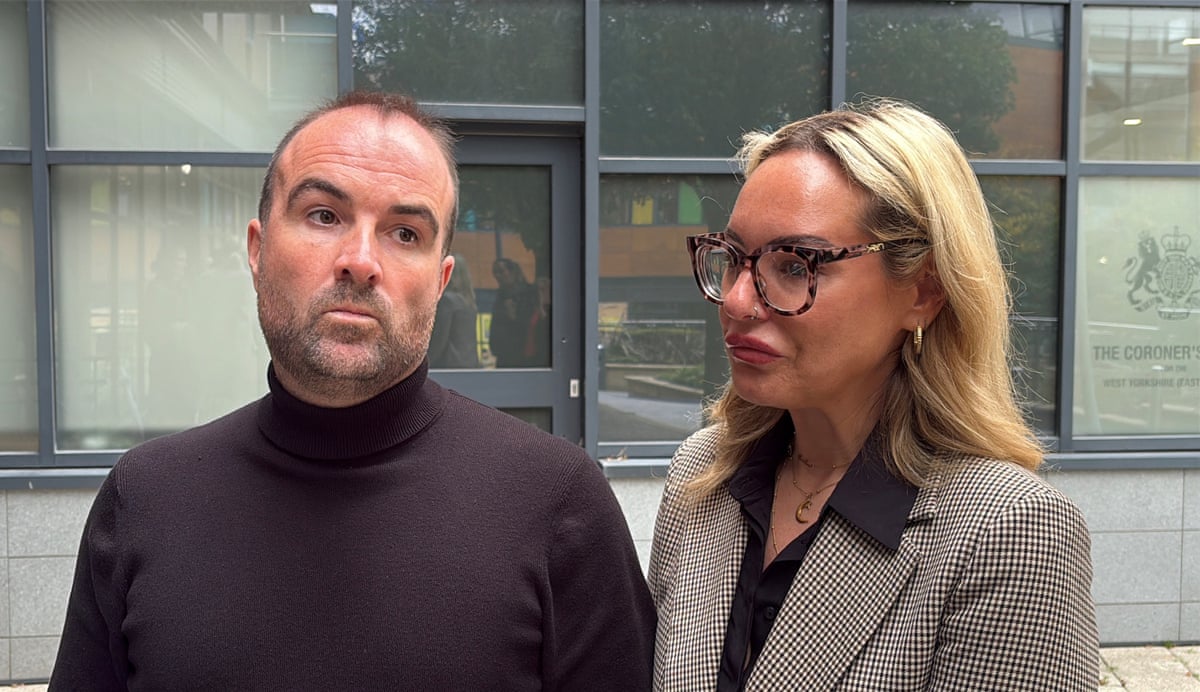
Esta's parents, Lynsey Carr and Leon High, had repeatedly raised concerns about their daughter's deteriorating condition. Carr explained that she and her partner refused medical advice to take Esta home because the infant would not stop vomiting and her temperature exceeded 40 degrees Celsius. When Esta developed a rash and her arm began shaking—symptoms Carr feared indicated a seizure—the parents pressed staff for help, but their pleas were not heeded.
Carr told the inquest that staff appeared more focused on isolating Esta due to Covid precautions than on listening to parental concerns. She described the 15 hours Esta spent in the hospital's children's assessment and treatment unit as
15 hours that were filled with missed opportunities.
Leeds Teaching Hospitals NHS Trust's legal representatives admitted during the inquest that there were missed opportunities to diagnose the bacterial infection and administer antibiotics. Expert witness Professor Simon Nadel provided critical testimony about the timeline of care failures. Nadel stated that blood tests and cultures should have been taken on 31 October 2023, and that observations overnight and the following morning should have prompted a senior doctor's review.
By late afternoon on 2 November, Esta became unresponsive. Scans and other diagnostic tests revealed evidence of meningoencephalitis and streptococcus pneumoniae infection. She was transferred to intensive care, but by that stage the infection had progressed too far. Nadel noted that by midday on 2 November, when Esta displayed clear signs of seizures, antibiotics would probably have been too late to alter the outcome. Esta died on 6 November, having gone untreated for 55 hours.
What Esta's parents say about the care failures
Carr told the inquest that the delay in treatment was catastrophic. She said:
Unfortunately, as our daughter had been left untreated for 55 hours, it was too late to save our darling girl. She described Esta as
bright, beautiful and perfect from the first moment.
In a statement read by her solicitor outside court, Carr reflected on the trauma of withdrawing life support:
Making the decision on the advice of the intensive care staff to withdraw Esta's life-support broke us. Esta passed away lying between me and Leon – something no parent should ever have to go through.She continued:
We felt so blessed that Esta was our daughter, and for her to be taken away so cruelly is something we'll never get over.
Carr emphasised the importance of parental advocacy in medical settings, stating:
Parents know their children better than anyone, and when they say something isn't right, they need to be listened to and taken seriously.
Hospital response and commitment to change
Dr Elizabeth Garthwaite, chief medical officer at Leeds Teaching Hospitals NHS Trust, issued an apology on behalf of the organisation. She stated:
We are deeply sorry that we failed Esta and her family, and offer our sincere and heartfelt condolences to Lynsey and Leon following the tragic death of their daughter.
Garthwaite acknowledged the severity of the failures:
We recognise that serious failures occurred in the care provided to Esta and that these failures had devastating consequences.She pledged that the trust would take the coroner's concerns seriously and respond to the report's findings and recommendations.
We are committed to responding openly and fully, and to taking any further action necessary to improve patient safety.
Joe Haley, solicitor at Irwin Mitchell representing the family, emphasised the broader significance of the case. He said:
It's now vital that lessons are learned to help improve patient safety and prevent others from going through the terrible suffering Esta's family has endured.
Broader context of NHS infant care failures
Esta's case reflects a pattern of serious failures in NHS infant and maternity care. A coroner previously issued a Prevention of Future Deaths report after an infant died when a hospital monitor alarm set too low failed to alert staff to a medical emergency. Additionally, an inquest found that Royal Free London NHS Foundation Trust failed to manage complications during a high-risk home birth, leading to the death of newborn Poppy Hope Lomas, with failures including missed warning signs and delayed ambulance response. Most recently, East Kent Hospitals NHS Trust apologised after an independent review found eight stillbirths between June 2025 and March 2026 might have been prevented with better maternity care.