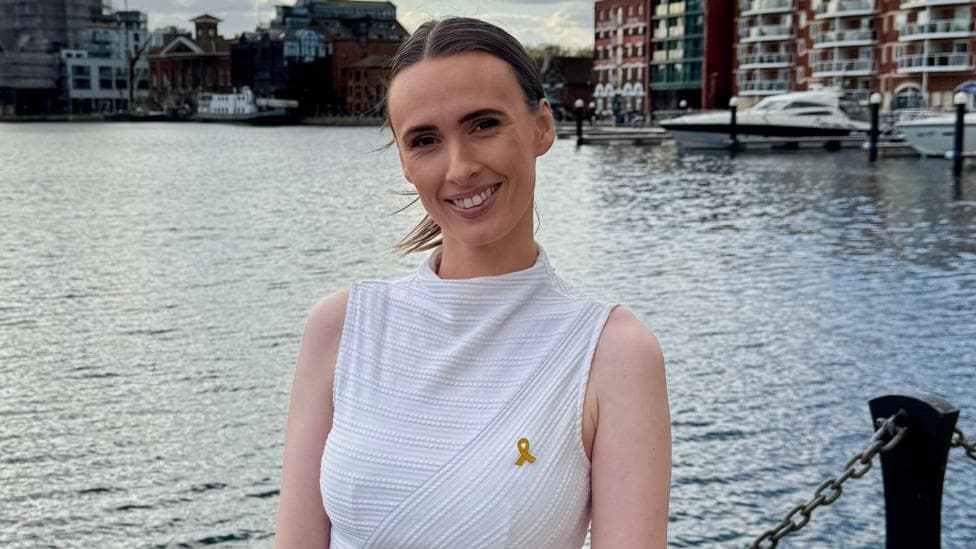
A mental health charity supporting new mothers in Cumbria has expressed deep concern that the closure of its in-person group sessions would leave women experiencing suicidal thoughts without a safe space to seek help. The Happy Mums Foundation, established in Carlisle in 2015 by a mother who experienced isolation after treatment in a Psychiatric Mother and Baby Unit, has assisted more than 1,000 families across the region but now faces an uncertain future due to funding constraints. According to BBC News, the organisation fears that moving its services online would eliminate the peer support and sense of community that has proven vital for vulnerable women in the county.
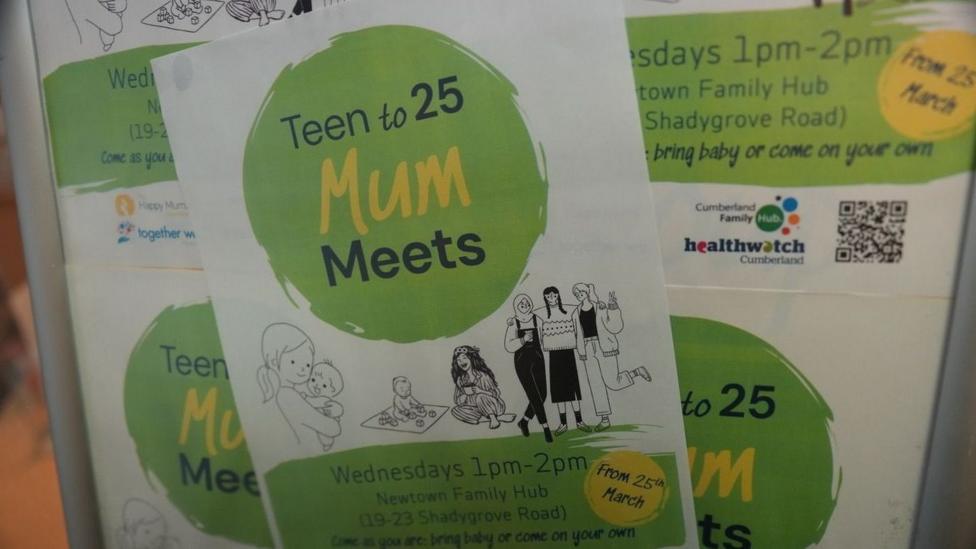
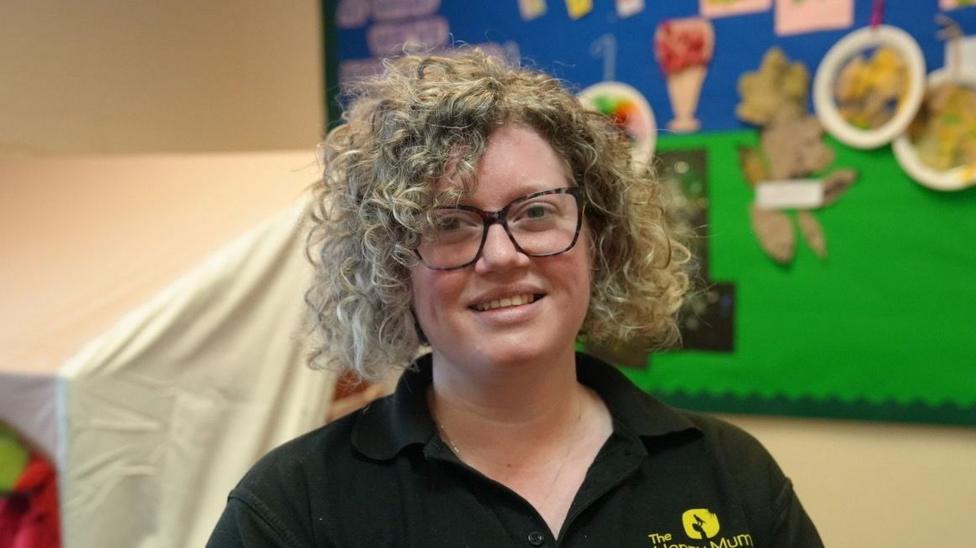
Director Lucinda Bray expressed alarm at the prospect of losing the foundation's physical meeting spaces. She stated that the charity has already reduced its 13 weekly support groups to five and warned that without new investment, the remaining sessions would either move entirely online or cease altogether. The foundation's Brampton and Cockermouth groups had already closed due to funding pressures, according to the News & Star, with its Carlisle and Teen to 25 groups also facing immediate risk with fewer than three months of reserves reported in July.
Why in-person support matters for isolated mothers
Women who have attended the sessions describe the charity as offering non-judgmental peer support that helps mums feel less isolated when experiencing trauma. Bray articulated the stakes clearly:
I'm terrified, if we don't have in-person groups for mums, where will they go? What will they do? Being able to talk about suicidal thinking, is actually quite a good preventative factor, if that doesn't have an outlet and you don't have a safe space to talk about those things, where might they go?
Amy, a first-time mother who attends the teen to 25 group, described motherhood as both wonderful and overwhelming. She explained the challenges of early parenthood:
The long nights, the crying and not knowing what it is they want, you've just been handed a tiny human being and you're meant to just know what to do and having the expectations of mum knows best. I didn't have a clue and I think a lot of mums are in the same boat.At first, Amy found it difficult to leave the house with her daughter, who was born prematurely, but attending the group has helped her build confidence.
Amy emphasised that while substantial support exists for babies, the foundation fills a crucial gap by prioritising maternal wellbeing.
Obviously everyone absolutely adores the babies here but it's called Happy Mums for a reason. There's plenty of support out there for babies, but it's nice to have something that is more about the mums.She stressed that without the group's support, she would struggle more to manage her depression and anxiety and to engage with others.
When I'm feeling low with my depression or anxiety and more anxious about going out I know that I can come to Happy Mums, I look forward to it. Without it I'd struggle more with speaking to people and asking for the help.
What do the statistics show about perinatal mental health?
The Happy Mums Foundation reports that young mothers are 40% more likely to experience perinatal mental health challenges than the general population. In July, the foundation appealed for £25,000 in emergency funding, according to the News & Star, noting that 75% of attending mothers received no other mental-health support. Community fundraising efforts have begun to address the shortfall: a Carlisle nursery-school bake sale raised £262, while a Kingmoor Park scavenger trail raised more than £60, with the News & Star campaign having raised approximately £2,200 toward its £25,000 target by 31 July.
Why is funding for mental health services becoming harder to secure?
The Happy Mums Foundation had previously received funding from Comic Relief, The National Lottery, The Cumbria Foundation and the NHS. However, the organisation reports that over the past year, securing funding for preventative mental health services has become increasingly difficult. This challenge reflects broader pressures across the charities sector: the suicide prevention charity Papyrus closed in September, highlighting the financial strain affecting organisations nationwide.
Leigh Brimicombe, chief influencing officer at the National Council for Voluntary Organisations, described the current financial climate as particularly challenging for charities. He explained that the cost of living crisis has created a paradox:
there was a growing need for support in communities but also less money available for donors or funders to give, compounded by increased running costs for charities themselves.
What is the NHS response to the potential closure?
Labour MP for Penrith and Solway, Markus Campbell-Savours, sent a letter of concern about the foundation's future to the Cumbria, Northumberland, Tyne and Wear NHS Trust. In response, chief executive James Duncan acknowledged that peer-led and community-based support can form a valuable part of the wider network for assistance available to women and families. He noted that although formal joint working with the NHS was not possible due to the distinction between peer-led and clinical services, the potential closure was
particularly concerning given the relatively limited number of voluntary and community sector organisations providing this type of support across Cumbria.
The limited availability of comparable services in the region underscores the significance of the Happy Mums Foundation's work. Cumbria currently has few other groups offering the type of peer-led support that the foundation provides, making its closure a substantial gap in the mental health landscape for new mothers.
Broader challenges in maternal mental health support
The Happy Mums Foundation's funding crisis occurs within a wider context of strain on maternal mental health services. Another specialist service, Together We's maternity link-worker programme in North Cumbria, was also facing closure. According to the News & Star, the year-long pilot supported around 140 women but was scheduled to end in December unless new funding was secured, and it had stopped accepting new referrals. Together We was seeking community and bridge funding and discussing the service's future with commissioners at the time of reporting.
What happens next for Happy Mums?
The Happy Mums Foundation faces a critical juncture in the coming months. The 2026 Golden Apple Awards selected Happy Mums as its charity partner and planned to encourage donations at its 8 October ceremony, offering a potential fundraising opportunity. However, without securing the £25,000 in emergency funding it has requested, the foundation will be forced to make difficult decisions about which groups can continue to operate and whether to transition remaining services to an online-only model. The Department of Health and Social Care has been approached for comment on the situation.