The sixth report of the UK Covid inquiry, published on 20 October 2026, is deeply critical of how the government attempted to safeguard residents and staff in care settings across the United Kingdom. The 287-page investigation documents a pattern of systemic failures that left vulnerable populations exposed to the virus with inadequate protections. According to BBC News, more than 43,000 recorded deaths involving Covid occurred in care homes between March 2020 and July 2022.
At the start of the pandemic, approximately 500,000 people were living in care homes, with a further million receiving care in their own homes. The inquiry's findings reveal that protective measures came too late and were insufficient, resulting in devastating consequences for residents, families and staff members across all four nations of the UK.
The inquiry heard oral evidence from 57 witnesses during Module 6 hearings held from 30 June to 31 July 2025, examining how the care sector was managed throughout the crisis. The investigation also found that governments across the UK had known before the pandemic that care-home residents were extremely vulnerable to respiratory viruses, yet care homes still received insufficient protection when the crisis struck.
Was there truly a protective ring around care homes?
The government's claim of a protective ring proved hollow. At the start of the pandemic, then-health secretary Matt Hancock announced that the UK government had placed such a ring around care homes, but the inquiry's investigation contradicts this assertion entirely.
The report catalogues extensive failings in this supposed protection. The care sector was treated as something of an afterthought in government planning and resource allocation. Staff shortages were compounded by inadequate supplies of personal protective equipment, forcing workers to improvise with unsuitable alternatives including bin bags, festival waterproof ponchos and painters' overalls.
The inquiry was also critical of the policy of transferring hospital patients who may have been infected with Covid to care homes to free up beds for other patients. While the inquiry acknowledges that this decision was understandable given the urgent need to create capacity for Covid patients, it represented a significant oversight. Without sufficient testing protocols in place, these potentially infected individuals should have been kept separate and isolated from other residents. However, official guidance issued in March 2020 across England, Wales and Northern Ireland did not require this isolation, a failure the inquiry identifies as particularly consequential.
How did existing weaknesses in the care sector affect the response?
Long-standing structural problems in adult social care severely undermined the sector's ability to respond effectively to the pandemic. When the crisis began, the care workforce was already fragile, characterised by high levels of staff vacancies and turnover that left the sector lacking resilience.
The reliance on agency staff who worked across multiple care homes created a particular vulnerability. While efforts to prevent staff from moving between different homes made epidemiological sense—reducing the risk of infection transmission—this policy exacerbated existing staff shortages. Care providers also faced severe financial strain as the number of people using services dropped during lockdowns, while the sector's dependence on zero-hours contracts meant there was insufficient financial support to enable care staff to remain off work when they had concerns about potential infection.
The fragmented nature of the care system, with thousands of different providers and services overseen by local councils rather than integrated into national structures, meant the sector remained more distant from government than the NHS. This structural separation hampered coordination and resource allocation. The pandemic exposed and intensified these pre-existing vulnerabilities, according to the inquiry. Exercise Cygnus, a 2016 pandemic preparedness exercise, had recommended developing social-care surge capacity, but that recommendation had not been implemented by the time Covid struck.
Did visiting restrictions cause harm to residents?
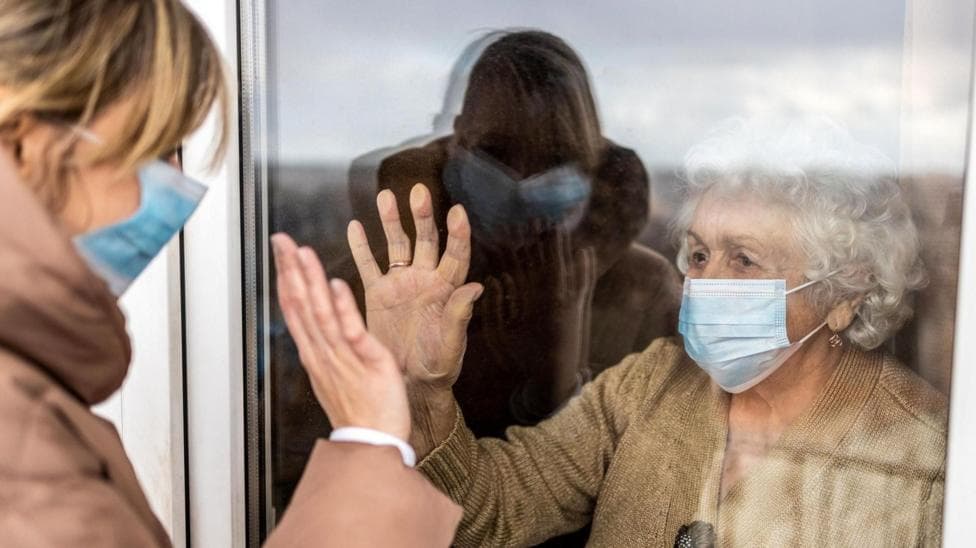
The inquiry concludes that precautionary restrictions on visits went too far and caused significant harm. While the report acknowledges that introducing visitor bans at the start of the pandemic was a rational response given the uncertainty about transmission, the balance between infection control benefits and the harms of isolation shifted as the pandemic progressed.
Visits are critically important for care home residents, enabling family members to assist with personal care and helping to maintain residents' mental health and emotional wellbeing. By September 2020, evidence indicated that visitors posed only a marginal risk to residents, with staff identified as the primary route through which infections entered care homes. The four UK nations subsequently began relaxing their guidance on visits, but many individual care homes failed to implement these changes, maintaining heavily restricted visiting policies.
The inquiry found that this prolonged restriction resulted in a significant decline in the health and wellbeing of residents. According to reporting on the inquiry's findings, visiting restrictions caused what the report describes as incalculable harm to both residents and their loved ones.
What concerns did the inquiry raise about do not resuscitate orders?
The inquiry expressed serious concern about the use of blanket do not resuscitate orders (DNACPR) imposed on care home residents without individual assessment. Cardiopulmonary resuscitation, including chest compressions, can be life-saving when a person's heart has stopped beating. While doctors and individuals can legitimately choose not to resuscitate in specific circumstances—such as when someone is extremely frail or has a life-limiting illness—such decisions must be made on an individual basis. The use of blanket DNACPR orders is considered unlawful.
The inquiry heard evidence that general practitioners imposed blanket DNACPRs on care home residents without proper individualised assessment. Records examined by the inquiry showed a sharp increase in such orders during the early pandemic period, rising from 16,800 to 26,500 in the first nine months of the crisis. This pattern mirrors findings from an earlier Care Quality Commission investigation, which had identified evidence of unacceptable and inappropriate DNACPRs being put in place.
The report recommends mandatory end-of-life-care training for health and social care professionals, including specific training on how to make appropriate DNACPR decisions. The inquiry found that non-personalised DNACPR decisions caused distress and confusion among residents and families.
What impact did the pandemic have on care home staff?
The toll on care home workers was profound, with the inquiry documenting the severe impact on their mental health and wellbeing. Some staff members moved into the care homes where they worked in an attempt to protect residents from infection. One care home owner in Wales described how 39 staff members relocated to the facility for a fortnight at the start of the pandemic.
Witnessing the deaths of large numbers of residents placed enormous strain on workers, who frequently had to provide end-of-life care to multiple people simultaneously. One care home lost half of its residents over the course of just three weeks. Staff members described to the inquiry the profound distress they experienced during this period.
Staff were sitting on video calls with families, saying their last goodbye to loved ones. That was horrendous… staff were crying with the residents, because it was just so emotional for them.
The inquiry's findings underscore the emotional and psychological burden carried by care workers throughout the crisis, a burden that has received limited recognition in broader discussions of pandemic impacts.
What recommendations has the inquiry made?
The inquiry has put forward several key recommendations aimed at preventing similar failures in future crises. It recommends establishing a voluntary workforce register for adult social care workers to improve tracking and coordination across the sector. The report also calls for a right to in-person care-home visits except in the gravest or most exceptional circumstances, ensuring that the restrictions imposed during Covid are not repeated without rigorous justification.
The mandatory end-of-life-care training recommendation is intended to prevent inappropriate DNACPR decisions and ensure that such orders are always made on an individual basis with proper assessment and communication with residents and families.
What happens next?
The four UK governments are expected to publish their formal responses to the report's recommendations within six months of its publication on 20 October 2026. The inquiry's seventh report, focusing on Test, Trace and Isolate systems, is scheduled for publication on 19 November 2026, continuing the comprehensive examination of the UK's pandemic response.