An NHS trust has issued a formal apology after an independent review determined that eight babies might have survived with improved maternity care, acknowledging it has "failed families". The stillbirths all took place at East Kent Hospitals NHS Trust's facilities between June 2025 and March 2026.
An independent review commissioned by the trust identified systemic problems as the root cause of these failures. The investigation uncovered deficiencies in managing high-risk pregnancies, delivering appropriate triage procedures, recognising foetal growth complications, and utilising interpreter services adequately.
Since the review's completion, an additional seven stillbirths have been recorded, with three occurring in August 2026. A separate investigation into these recent deaths has been initiated.
All eight stillbirths examined in the review occurred after 34 weeks of gestation. The trust operates the William Harvey Hospital in Ashford and the Queen Elizabeth the Queen Mother Hospital in Margate.
What did the trust leadership say?
Board papers prepared for a Thursday meeting contained a statement from the trust's acting chief executive, Dr Des Holden, in which he expressed remorse to the families affected. Dr Holden stated:
"On behalf of the board, and personally, I am very sorry and apologise to the women and families, and their communities, where failings in our care are at the heart of these devastating outcomes."
Following the publication of the board papers, Dr Holden reiterated the trust's accountability, saying:
"This review is clear that sadly, we have failed families. We are truly sorry."
What specific care failures were identified?
The independent review identified systemic and recurring weaknesses across multiple areas of maternity services. According to the board documentation, four cases showed care deficiencies that were likely to have influenced the outcome for the infant. In an additional four cases, care problems were identified that may have contributed to the outcome.
The review found
"recurrent and systemic weaknesses in the management of high-risk pregnancy, foetal surveillance, maternity triage, escalation and organisational learning"across the trust's services.
According to local reporting, the review team made 16 recommendations aimed at addressing these deficiencies. These include enhancing interpreter access, reviewing care pathways for women who miss appointments, strengthening management of hypertension in pregnancy, and improving ultrasound quality assurance procedures.
What action is the trust taking?
Dr Holden outlined the trust's response to the review's findings, stating:
"We are implementing the review's recommendations in full, including improving continuity of care for women with high-risk pregnancies, maternity triage, enhancing staff training and increasing the amount of translated information and access to interpreters. We are working with the national Maternity and Neonatal Intensive Support Team to ensure our services meet the standards women and families deserve."
The trust initiated the independent review after heightened safety monitoring, which had been introduced following a previous investigation, revealed a rise in stillbirths. According to reporting from the region, the trust commissioned the review in October 2025 after its stillbirth numbers exceeded its safety threshold beginning in September.
What is the history of concerns at this trust?
This is not the first time the trust has faced serious scrutiny over maternity care. Three years ago, an independent investigation led by Dr Bill Kirkup examined baby deaths at the trust's hospitals and reached damning conclusions. According to the Royal College of Obstetricians and Gynaecologists, the Kirkup investigation found that 45 of 65 baby deaths reviewed might have had a different outcome if nationally recognised standards of care had been met.
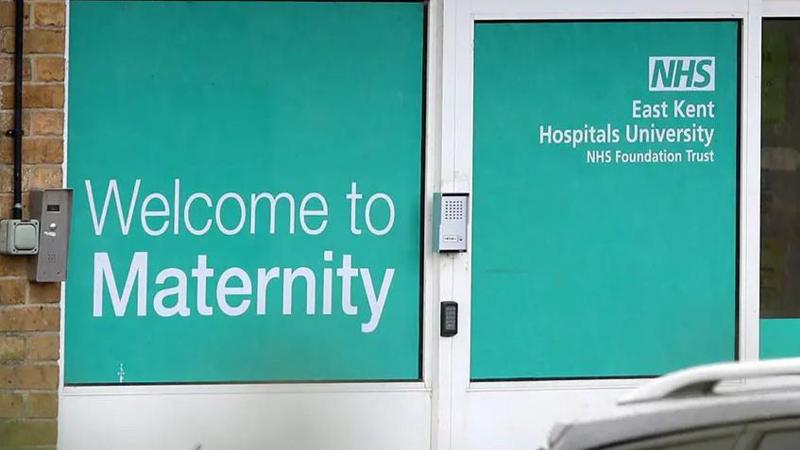
The current review examined 11 stillbirth cases in total. The trust's decision to commission this fresh investigation came after the safety monitoring systems put in place following the Kirkup report flagged the concerning rise in stillbirths.
What happens next?
The seven additional stillbirths that have occurred since the original review period—including four between April and July 2026 and three in August 2026—are now undergoing independent review. According to local reporting, the findings from this investigation into the recent deaths are expected to be reported to the trust board.
Key Facts
- Eight stillbirths occurring between June 2025 and March 2026 were examined; four cases showed care deficiencies likely to have affected outcomes, and four showed care issues that may have contributed
- A further seven stillbirths have occurred since the review period, prompting a separate investigation
- The review identified 16 recommendations for improvement, including enhanced interpreter services, strengthened hypertension management, and improved ultrasound quality assurance
- The trust is working with the national Maternity and Neonatal Intensive Support Team to implement the recommendations in full
- A previous investigation in 2022 found that 45 of 65 baby deaths at the trust might have had different outcomes with better care