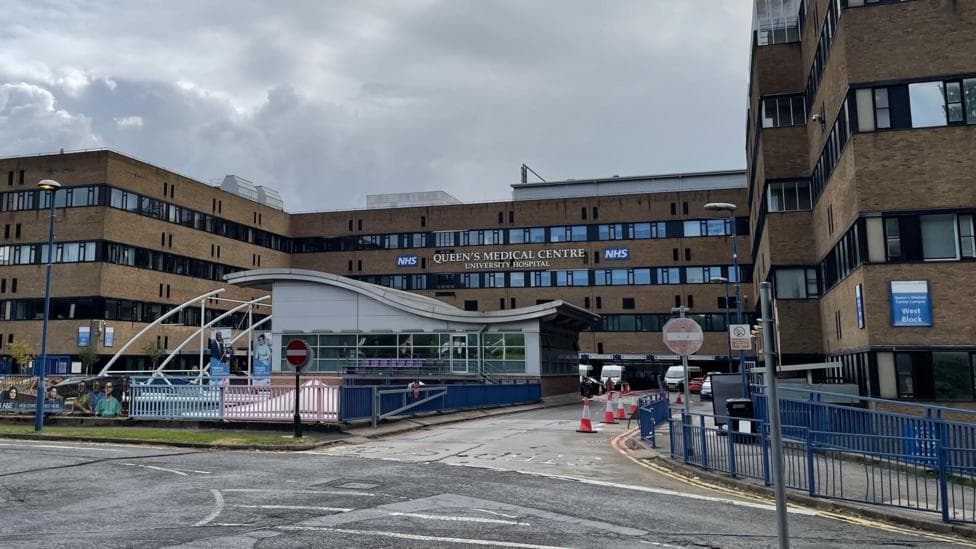
Nottingham University Hospitals (NUH) NHS Trust, which operates the Queen's Medical Centre and Nottingham City Hospital, has declared a critical incident following what it describes as "some of the highest attendances on record" at its accident and emergency departments. According to BBC News, the trust reported more than 200 patients in A&E with over 100 awaiting assessment, leading to what staff characterised as unacceptable delays and corridor-based care.
The declaration reflects mounting strain across the hospital system. Tracy Pilcher, NUH's chief nurse, acknowledged the severity of conditions, stating that
"In the last 24 hours staff have been working hard to do everything they can to mitigate the pressures, focusing on getting patients seen and home."The trust noted that over the preceding two weeks, it had experienced three of its highest-ever attendance figures, with September 2026 recording 2,000 more A&E visits than September 2025.
This latest incident marks an escalation of pressures that have persisted throughout the year. Nottinghamshire Healthcare NHS Trust reported that in January 2026, local NHS and social-care partners had already declared a system-wide critical incident after NUH and Sherwood Forest Hospitals faced high emergency demand and difficulty discharging patients, with some inpatient operations postponed to prioritise urgent cases. The current declaration suggests these underlying challenges have intensified rather than resolved.
What is driving the extreme pressure?
The trust identified particularly high numbers of cardiology patients requiring intensive care over extended periods as a significant factor straining resources. This concentration of complex cases has diverted staff and capacity from other clinical areas, compounding the overall pressure on the system. The surge in attendances has created a cascading effect, with patients unable to move through the system efficiently due to the volume and acuity of cases requiring prolonged treatment.
How are patients being affected?
Patients are experiencing substantial waits in corridors rather than in designated treatment areas, a situation the trust acknowledged falls short of acceptable standards. Pilcher stated:
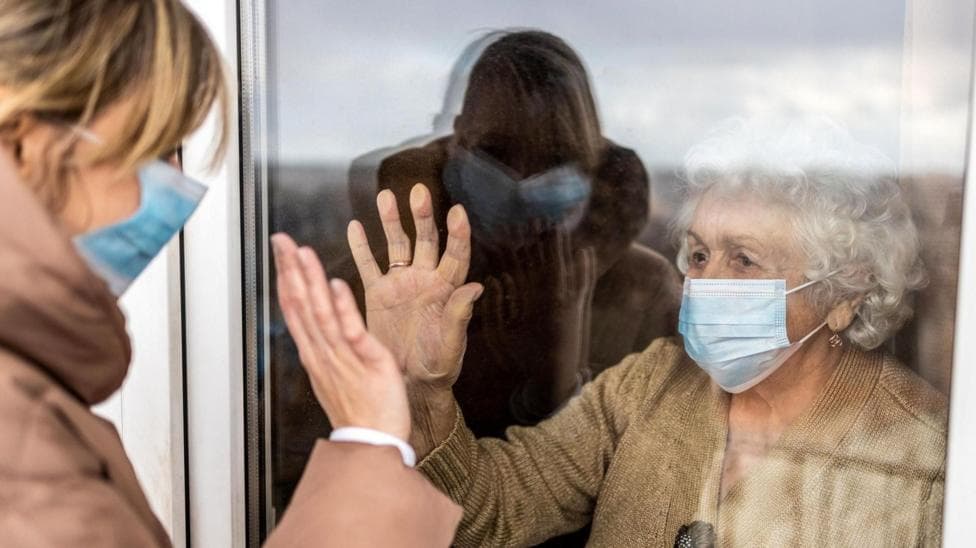
"We recognise that significant waits to be seen and corridor care is not the way our staff want to work or our patients want to be seen, and for that we are very sorry."The trust reported that more than 200 patients currently in its hospitals are medically fit for discharge, and it has appealed to family members to collect relatives who are ready to leave, as freeing bed capacity is essential to managing the crisis.
What guidance is the trust giving the public?
NUH has advised the public to use emergency services only for serious accidents and life-threatening emergencies, directing those with non-urgent needs to alternative pathways. The trust highlighted that urgent treatment centres can manage injuries including sprains, strains, suspected fractures, bites, cuts and scalds. For conditions that are not life-threatening, the trust recommends contacting NHS 111 online or by telephone for assessment and guidance on appropriate care.
What is the trust doing to improve the situation?
Pilcher emphasised the importance of patient flow, saying:
"Please be reassured that we are doing all we can and hope that the actions we are taking will improve the situation as soon as possible. Getting patients out of the hospital when they are ready is vital to improving our position."The trust's immediate focus is on accelerating discharge of patients who no longer require hospital-level care, reducing corridor waits, and ensuring staff have adequate support to manage the workload. However, the trust has not outlined specific timelines or additional resources being deployed to resolve the crisis.
Critical incidents in the NHS are not uncommon during periods of high demand. Similar pressures have been reported across other NHS trusts, with emergency departments nationwide facing sustained challenges related to patient volume, staffing, and bed availability. The declaration serves as a formal acknowledgment that normal operational capacity has been exceeded and that extraordinary measures are required to maintain patient safety and care quality.