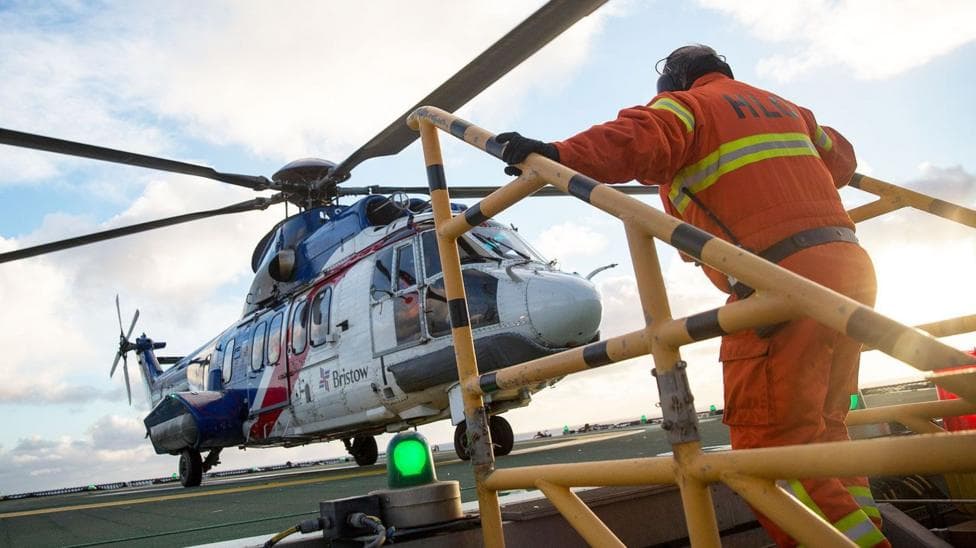
Hundreds of offshore workers have turned to weight-loss injections to comply with new maximum weight restrictions for helicopter flights to North Sea platforms, which take effect on 1 November 2026. According to BBC News, the policy has driven a dramatic reduction in non-compliant staff, with the number exceeding the limit falling from approximately 2,200 workers when the rules were announced to fewer than 250 as the deadline approaches.
From 1 November 2026, anyone weighing more than 19st 7lb (124kg) in civilian clothing and footwear will be prohibited from boarding helicopters to offshore installations covered by UK safety regulations. The threshold was established by the Maritime and Coastguard Agency (MCA) after determining that rescue winches—essential equipment during offshore emergencies—cannot safely lift heavier individuals when accounting for the weight of the rescuer, stretcher and additional equipment.
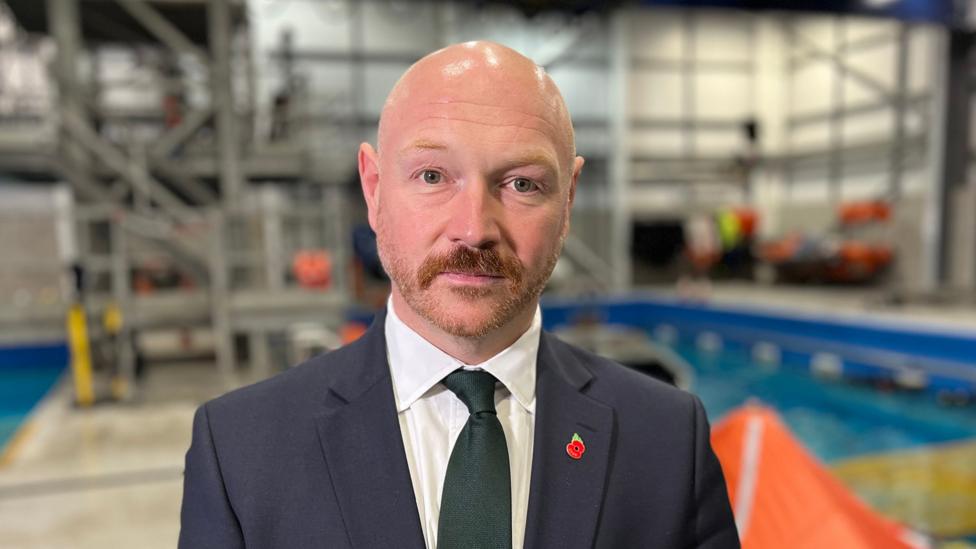
Industry body Offshore Energies UK (OEUK) revealed that adoption of weight-loss medications has been widespread across the sector. On one platform, 60% of staff had been using the drugs, with operators even providing additional refrigerator space to store the medications. Graham Skinner, OEUK's health and safety manager, acknowledged the scale of uptake:
What we know is that offshore workers are using weight-loss jabs regardless of the policies. Last year we saw in some cases 60% of workers turning up with weight-loss jabs. That's brought our average weight down in a very short space of time. I think that's very common in society and it can potentially be a really useful tool if somebody's got a lot of weight to lose it can get them in a good place.
The rapid adoption of these medications reflects broader trends in weight management access. Fewer than 800 Scots have accessed weight-loss injections through the NHS despite three years of approval, while approximately 300,000 obtain them privately, highlighting the significant gap between public and private provision. The offshore sector's experience demonstrates how workplace requirements can drive uptake of medical interventions when NHS access remains limited.
Workers initially funded the medications themselves, though Skinner suggested some employers may now be supporting costs. The industry has also implemented complementary measures including gym equipment and healthier food options to assist staff in meeting the new threshold.
How has the workforce adapted?
The average weight of offshore workers has increased substantially over recent decades, rising by almost 1st 7lb (10kg) since 2008, making compliance particularly challenging for longer-serving staff. However, OEUK's latest data indicates significant progress: September figures based on more than 35,000 traveller records collected from April to August showed approximately 3.4% of workers above the 124kg threshold, compared with an estimated 4.7% in 2022.
The policy applies specifically to outbound flights to offshore installations; return flights to shore are not restricted. During the transition period, OEUK medical examiners could issue shorter-duration certificates to workers near or above the limit, though certificates for those exceeding 124kg could not extend beyond 31 October 2026. The 124kg threshold includes a 0.7kg safety margin below the 124.7kg maximum casualty load available on the relevant rescue winches.
Could some workers lose their jobs?
The weight-limit policy has attracted criticism from the RMT union, which argued there had been insufficient consultation and that the rules could exclude experienced personnel from offshore operations. The union warned the policy could give employers a
convenient mechanism to dismiss workers without proper redundancy procedures or compensation.
An occupational health expert in Aberdeen told BBC Scotland earlier this year that some clients were experiencing significant stress over the new requirements, while others had chosen to leave the industry entirely. Skinner acknowledged the employment implications:
If somebody has chosen not to lose weight then there's a real possibility they could lose their job.He noted that companies could offer alternative onshore roles to non-compliant staff, but this option may not suit all workers.
Skinner outlined multiple safety justifications for weight controls, including the ability to work safely in confined spaces and to exit helicopters quickly. However, he emphasised that the specific 124kg figure was determined by winch capacity:
It's the same winch on all search and rescue helicopters and if somebody needs to be rescued due to a health or safety incident the winch has limitations and we can't allow people to exceed those.
How will compliance be verified?
Workers will be required to declare whether they meet the weight limit, with verification conducted at the heliport. Skinner stated that employers across the industry had been working intensively to ensure maximum staff compliance and expressed hope that the number of workers exceeding the threshold could be reduced further before the deadline.
What happens next
The mandatory weight limit becomes enforceable on 1 November 2026. From that date, workers exceeding 124kg will not be permitted to travel offshore and will not receive an OEUK medical certificate authorising helicopter travel. The policy marks a significant shift in offshore workforce management and reflects the intersection of safety engineering, occupational health and emerging pharmaceutical interventions in the North Sea energy sector.