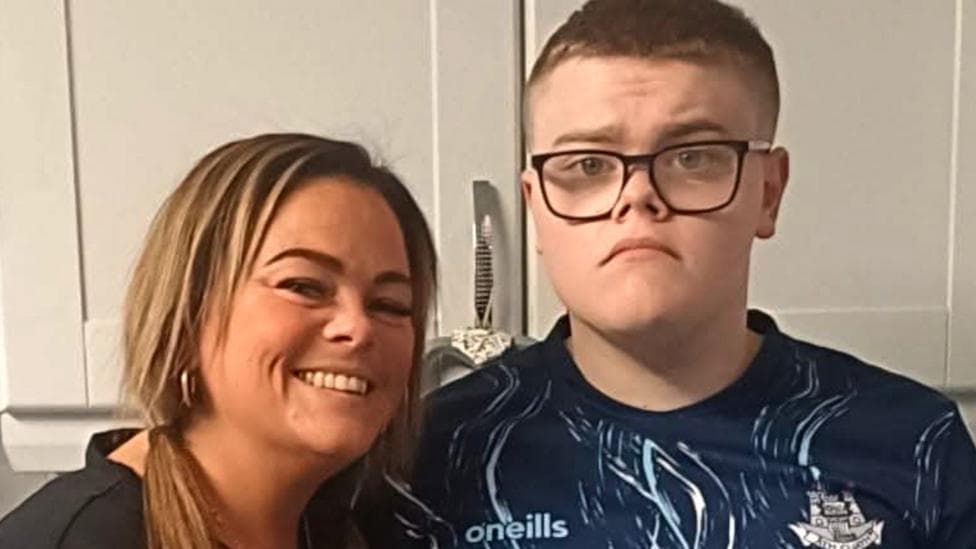
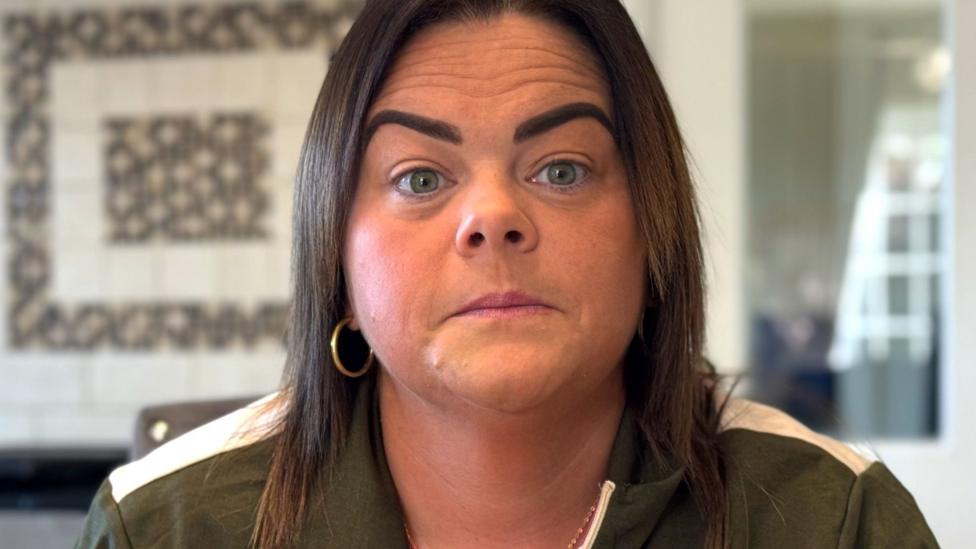
Cherisse Lanigan believes her son Callan has been left without adequate help because of how Northern Ireland's health system assesses eligibility for adult disability services. According to BBC News, the 18-year-old, who has autism, ADHD, anxiety and behavioural difficulties, cannot access adult services because he does not meet the IQ threshold used by health trusts to define learning disability.
Cherisse, who lives with Callan in Draperstown, County Londonderry, describes his condition as complex and says he has significant social and emotional support needs that extend far beyond what an intelligence test can measure. She told BBC News NI:
"My son's autism is so much more than his IQ, and he really struggles with the social aspects of being around people, but any help we had has now been taken away because of one test."
Callan was diagnosed with autism at age two and spent most of his school years in a special learning unit within a mainstream school. He now attends a further education college with one day of weekly support, and his mother accompanies him to local youth clubs several evenings each week. Despite his deep knowledge of computers and how they function, Callan struggles significantly with social interaction and everyday communication.

"Callan could tell you everything about a computer and how it was built, but he struggles with the social and communication aspects of everyday life,"Cherisse explained.
"But the system just seems to want to put all the emphasis on his IQ and it feels like everything else is less important and because he doesn't fit into a neat box or category, we're left in limbo."
How the eligibility system works
In Northern Ireland, a Statement of Special Educational Needs (SEN) ends when a young person leaves school, unlike in England where a care plan continues until age 25. Health trusts use psychometric assessments to determine whether someone qualifies as having a learning disability. An IQ score above 70 can disqualify young people from adult disability services, even if they previously received SEN support as children.
This threshold has become particularly problematic for families with autistic young adults. A 2010 Autism NI and Ulster University report described the IQ threshold as a barrier for many families, yet the system remains in place. The Northern Health and Social Care Trust acknowledged that
"this approach can present significant challenges for individuals and families who do not meet the eligibility criteria for accessing these services."
However, according to a January 2026 Assembly debate, the Northern Trust does offer short-term adult autism interventions and an advisory service for people aged 16 and over awaiting assessment or post-diagnosis support. The debate also noted that Callan receives 13 hours of direct-payment support weekly. Yet there is no dedicated commissioned service across Northern Ireland for people with learning difficulties who do not meet the criteria for a learning-disability diagnosis, although people with complex health and social-care needs can seek a multidisciplinary assessment.
What do experts say about the system?
Ema Cubitt, Northern Ireland's Independent Autism Reviewer, has described the situation as indefensible. She said:
"Once that learning disability door is closed and that support is taken away, where do these families go? Those families who love and support people with the most complex needs are also navigating the most complex systems, and government are well aware of this problem and the issues these families are facing."
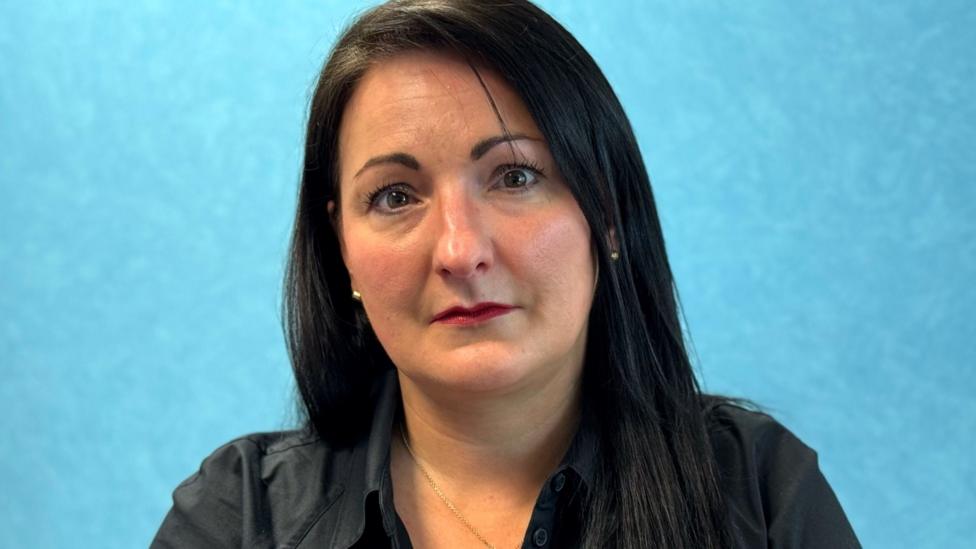
Sinn Féin MLA Emma Sheerin, who has previously raised Callan's case in the Northern Ireland Assembly, expressed frustration at how young people fall between support categories.
"Callan has just missed that threshold by the tiniest of margins, he has fallen between two stools time and again, leaving him to linger in a wasteland,"she said.
"I have previously called on the Department of Health to do something for people like Callan who do not just fit in the box."
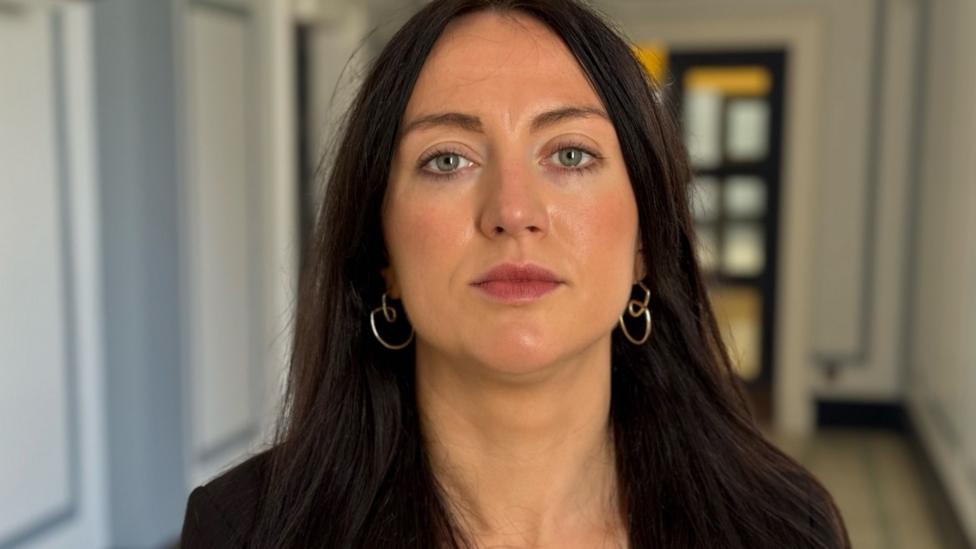
Sheerin added:
"I'm not saying that if Callan had the learning disability diagnosis and access to these services that it would solve everything, but he's being robbed of even being given the chance to try and see if it would help."
What support is currently available?
Cherisse said she feels her son has been
"abandoned and is falling through cracks in the system"because of inadequate support for young adults with learning difficulties. She expressed concern about his future prospects without intervention:
"It just feels like he's being treated like he's not that important because without support, he's not going to make progress, so is he just expected to stay at home all his life?"
The Northern Health and Social Care Trust said it acknowledged the
"frustration and worry"felt by the Lanigan family but explained that it must commission care through specific mental health and learning disability programmes. A spokesperson stated that the trust would continue to engage with the family, and Cherisse confirmed that discussions had begun around securing additional support for her son.
What is the government doing?
The Department of Health said it recognises that young people with autism can present with vulnerabilities similar to those with a learning disability and that further work is needed to address their needs on a regional, consistent basis. A department spokesperson added:
"Work is underway within a financially-constrained environment to improve clarity, consistency and support for people as they move into adulthood."
However, progress has been slow. In February 2026, Health Minister Mike Nesbitt said he was not considering legislation for post-school care and support plans during the current mandate, citing limited time before the March 2027 pre-election period, with the next Assembly election due by May 2027. Earlier this year, the health minister also said there was insufficient time to introduce new ministerial policies for post-SEN support ahead of the next assembly election.
There have been several campaigns in Northern Ireland in recent years calling for improved support for young people with SEN after they leave school. In June 2026, Education Minister Paul Givan said implementation of the new SEN Regulations was likely to be delayed, while reaffirming his commitment to them; the department had provided £92.5 million to schools in anticipation of the regulations taking effect.
What happens next?
The Department for the Economy's review of post-school SEN provision was followed by a ministerial statement to the Assembly on 16 June 2026. The department's published review page describes recommendations for improving skills and training provision and legislative protections for young people transitioning from school to adult life.