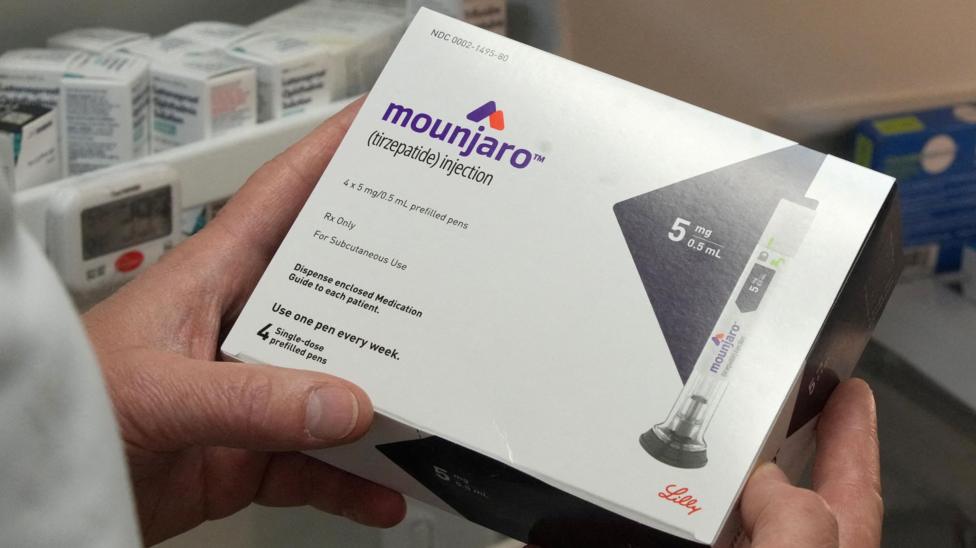
Fewer than 800 people in Scotland have obtained weight loss injections through the NHS despite regulatory approval for these medications three years ago, according to findings from a freedom of information investigation. The uptake stands in sharp contrast to surging private demand, with an estimated 300,000 Scots now paying out of pocket for the same drugs. Only six of Scotland's 15 health boards currently offer the treatment specifically for weight loss, and then only through small pilot programmes with strict eligibility criteria.
Leading medical professionals have characterised the patchy rollout as discriminatory and warned that unequal access is deepening health inequalities across the country. The Scottish government has stated that obesity medicines form part of a broader treatment strategy, with individual health boards holding responsibility for determining which medicines they prescribe and how.
Obesity affects roughly one third of Scotland's population and carries serious health risks, including cardiovascular disease, certain cancers and type 2 diabetes. GLP-1 receptor agonist injections such as Mounjaro and Wegovy work by suppressing appetite and creating a sensation of fullness more quickly, though they are not appropriate for all patients and can produce adverse effects.
How many Scots are currently receiving these drugs on the NHS?
Mounjaro gained approval for NHS use specifically for weight loss in Scotland in 2023, followed by Wegovy in 2024. A freedom of information survey sent to all 15 Scottish health boards revealed that only five confirmed they prescribe these medications as part of pilot initiatives: NHS Forth Valley, NHS Borders, NHS Lothian, NHS Lanarkshire, NHS Western Isles and the NHS State Hospital. By September 2026, a combined total of 705 patients had received injections for weight loss through these programmes.
The remaining nine health boards reported they do not routinely prescribe the drugs specifically for weight loss, though some indicated they are exploring future access options. In isolated cases, patients in non-participating areas may qualify for the medications under exceptional circumstances.
According to NHS Lothian's service information, the board has begun assessing its first small cohort for obesity medication but is not accepting new requests or referrals while it tests the programme; broader access will depend on pilot findings, staffing capacity and national guidance. Similarly, NHS Lanarkshire reports that Mounjaro is available only on a very limited basis through its weight-management service, in exceptional circumstances and alongside support, and is not issued by GPs.
What are the eligibility requirements?
Selection for the programmes follows rigorous criteria. Candidates must have a body mass index of 40 or above and be living with at least four serious medical conditions, or require life-altering surgery. The Forth Valley pilot, based at Falkirk Community Hospital, currently involves 48 patients, with a further 18 receiving the drugs directly through their GP practices. The service is not accepting new referrals while the pilot remains active.
According to Scotland's national consensus statement, implementation was recommended in phases, initially prioritising people with a BMI of at least 38 and a weight-related comorbidity. NHS Scotland guidance describes specialist-service pathways involving an active treatment phase of approximately 12–16 weeks followed by monthly support for nine months.
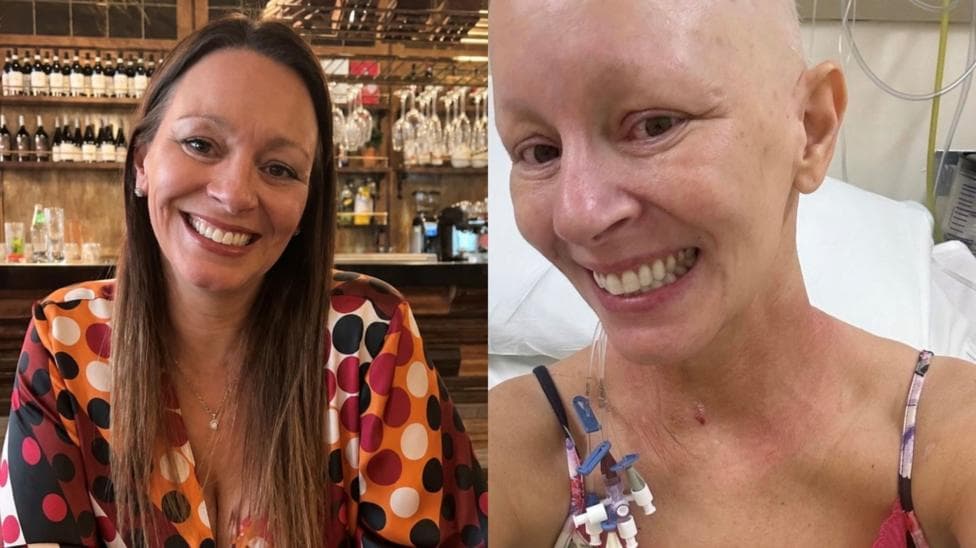
Kathleen McLaughlin, 54, from Laurieston, represents one of the small number of patients able to access injections through the NHS. Her gynaecologist referred her to NHS Forth Valley's programme because she required surgery but her weight posed a safety risk. After repeated unsuccessful attempts to lose weight through conventional means, she developed arthritis and other mobility problems that restricted her daily life.
She deliberately avoided private prescriptions because she wanted professional guidance throughout the process. The Forth Valley pilot provides regular consultations with a pharmacist and dietician, offering the structured support she felt was essential. Since beginning treatment in April, she has shed four stone—equivalent to 13 percent of her body weight—and reports improvements in both physical and mental wellbeing.
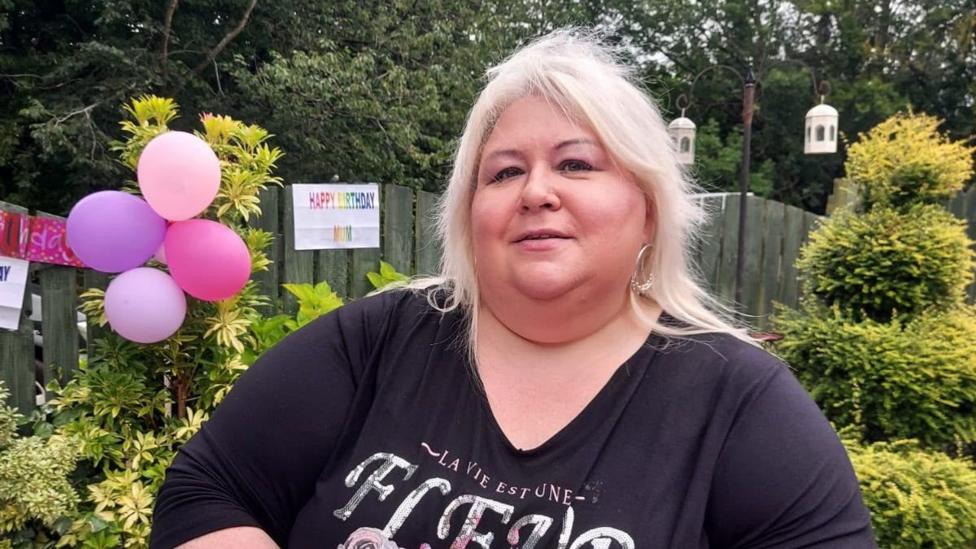
I can't believe that I'm having the opportunity when so many other people are having to pay for it or not having even the chance for it.
Why is access so limited on the NHS?
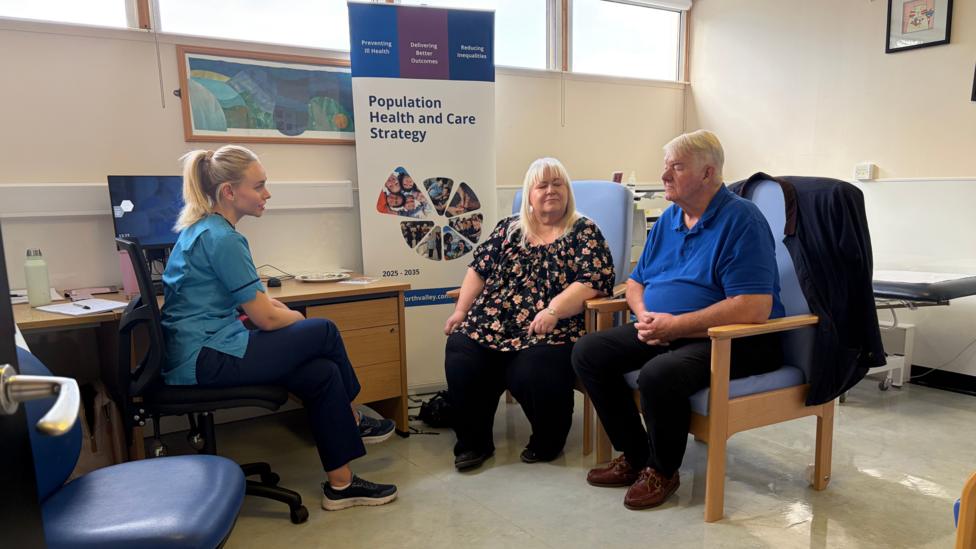
Research indicates that individuals who discontinue weight loss injections regain lost weight four times faster than those who stop conventional dieting and exercise. Maintaining weight loss requires a comprehensive approach encompassing dietary improvements, physical activity and ongoing health monitoring. Claire Colligan, NHS Forth Valley's associate director of pharmacy for primary and community care, acknowledged the frustration but emphasised the board's commitment to careful expansion.
It's very frustrating for people to know that these medicines are available and that they're not able to access them through the NHS - but these drugs are not going away. We'll have more understanding of how they work, which groups to target.
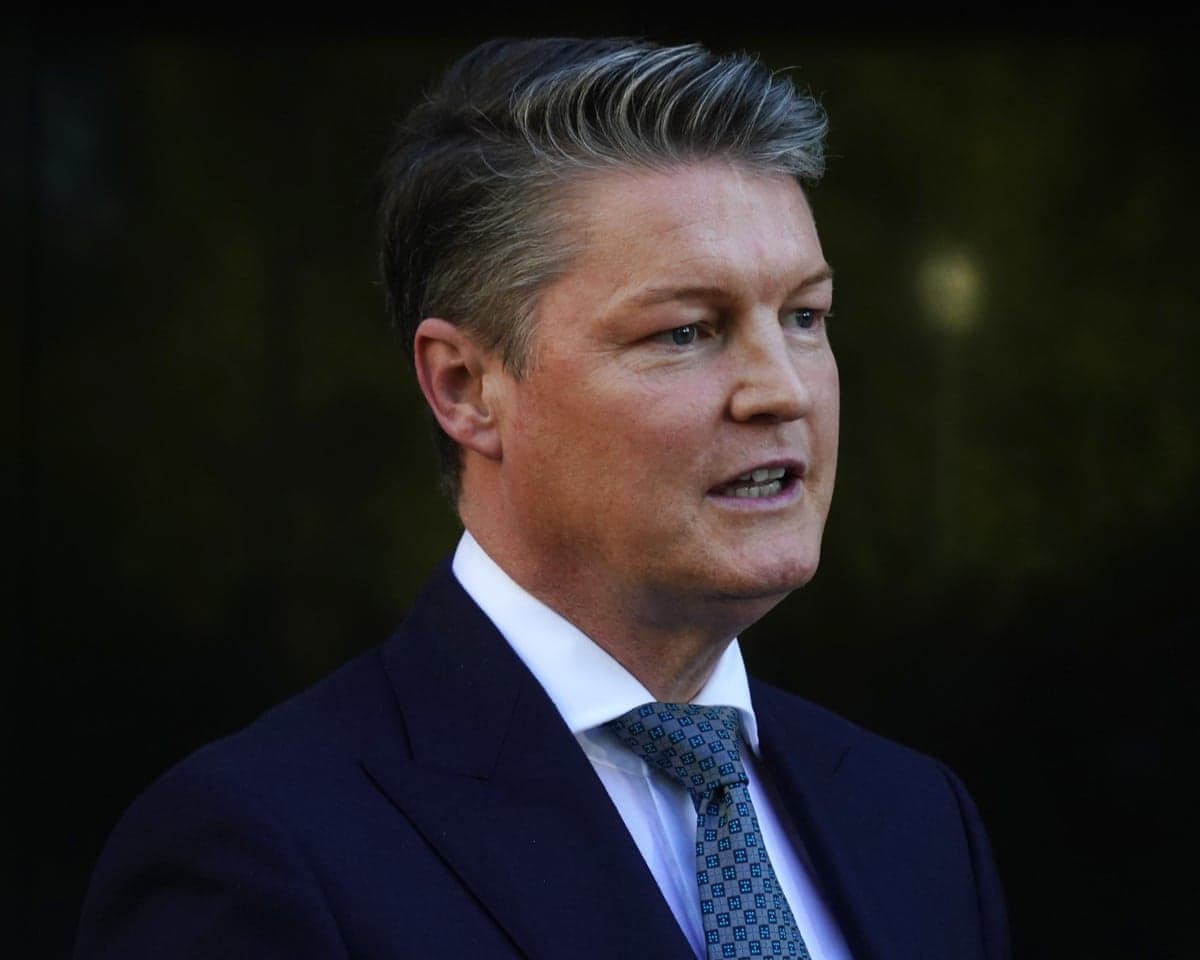
Medical leaders have raised alarm about the disparity between NHS and private access. Dr Mark Strachan, a diabetes specialist and president of the Royal College of Physicians, described the situation as unacceptable, noting there has been no meaningful progress since the issue was highlighted a year earlier.
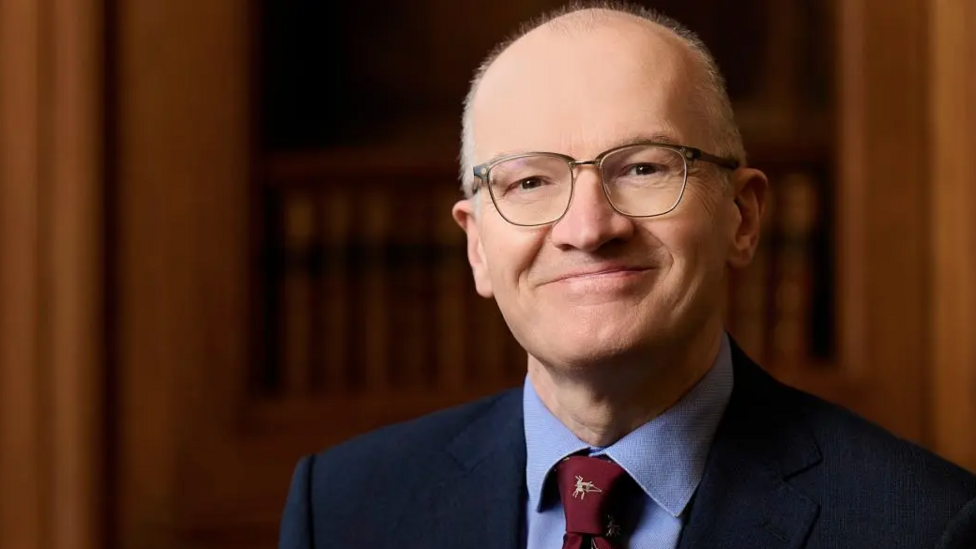
The NHS is spending colossal amounts of money every year to treat the complications of obesity. And the NHS pays for these rather than paying for interventions that would treat the underlying obesity and reduce the health consequences.
Dr Strachan stressed that the drugs are both safe and cost-effective, and could be deployed strategically to those facing the highest risk. He highlighted a troubling inconsistency: he can prescribe the same medication to a patient with type 2 diabetes but cannot prescribe it to another patient for weight loss complications later the same day.
The problem that we're seeing at the moment is that many health boards aren't rolling out these medicines at all, even to those who are in the highest possible risk categories and individuals who would would benefit the most from them.
He also expressed concern about the prevalence of private prescriptions without professional medical oversight. The gap between private and NHS access is particularly troubling because people on lower incomes face higher obesity rates, meaning the current system is widening health inequalities.
What about private access?
Private prescriptions for Wegovy and Mounjaro have increased dramatically. An estimated 300,000 people are accessing the drugs privately, according to Simple Online Pharmacy. Dr Strachan noted that such high levels of private prescriptions are unusual for any medication class and contradict established NHS Scotland standards for safe prescribing.
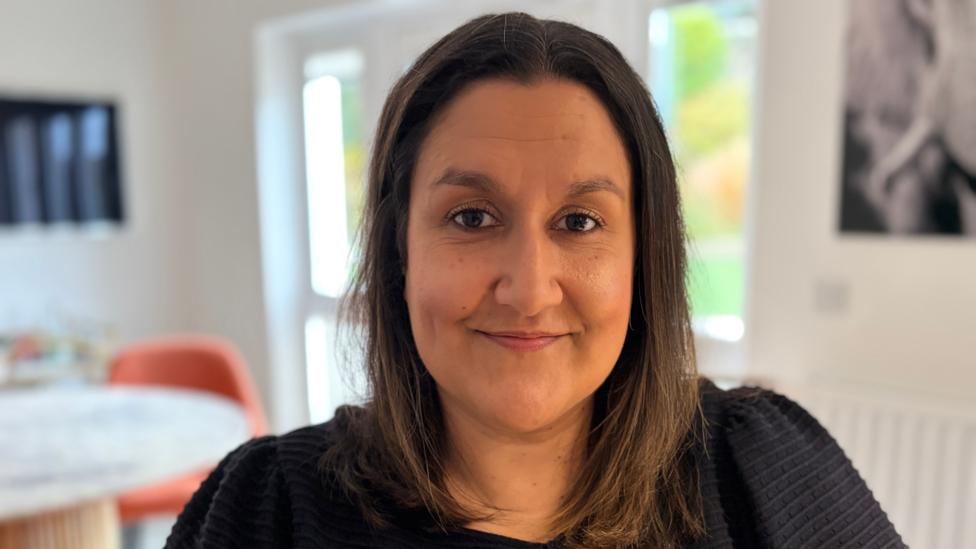
Dr Jane Sehgal, a GP and health coach based in Edinburgh who supports patients paying privately for GLP-1 medications, emphasised that weight loss is a multifaceted condition requiring careful management. She highlighted that sleep, stress, work-life balance and relationships all influence outcomes, and that individuals must address lifestyle and behavioural factors.
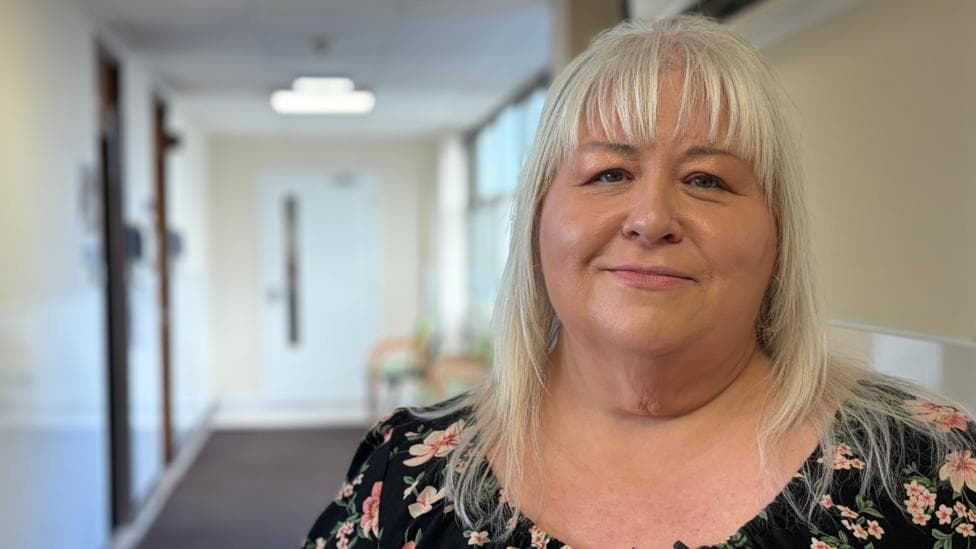
Sabriena Clayton, 48, struggled with weight throughout her life despite regular exercise and healthy eating. When her BMI exceeded 30—qualifying her for NHS treatment—she chose to pay privately for GLP-1 medication two years ago.
At the start it was like a switch going off in my brain where I just didn't think about food and could make really healthy choices. I just feel so much more at ease with myself. I'm literally not carrying around weight in my head or on my body.
What is the government's position?
Scotland's Public Health Minister Maree Todd stated that medicines represent one element of a comprehensive obesity treatment strategy, alongside balanced nutrition and physical activity. She confirmed that individual health boards determine implementation and availability of medicines, supported by the National Consensus Statement on GLP-1 use, which recommends phased introduction based on body mass index and obesity-related conditions.
Updated Scottish Government prescribing guidance indicates that Wegovy was accepted in June 2026 for reducing major cardiovascular-event risk in adults with established cardiovascular disease who are overweight or obese, expanding its approved uses beyond weight loss alone.
What happens next?
NHS Lothian has committed to developing and testing its service, including a digital platform, over the next three years. Any broader access will depend on the pilot evaluation and service capacity. The board's approach reflects the cautious, evidence-based strategy being adopted across Scottish health boards as they balance demand against resource constraints and the need to gather robust data on long-term outcomes and cost-effectiveness.
The situation remains fluid, with health boards gradually building capacity and expertise while the gap between those who can afford private treatment and those dependent on NHS access continues to widen.