
Concerns have been raised after the Western Health and Social Care Trust reduced operating hours for a specialist mental health support service for children and young people in the north west. According to BBC News, the Card Before You Leave scheme now operates only Monday to Friday, with no coverage on weekends and bank holidays due to financial pressures.
The scheme guarantees that young people presenting at hospital emergency departments during a mental health crisis receive a written appointment with specialists before discharge. The Western Health and Social Care Trust (WHSCT) introduced the reduction in August as part of broader cost-saving measures, affecting only those assessed as low risk who present outside normal working hours. According to the Irish News, the Trust's board approved a £30 million savings plan in late August.
Young people assessed as low risk are now evaluated by Child and Adolescent Mental Health Services (CAMHS) on the next working day rather than the next calendar day. The trust emphasised that no changes have been made to arrangements for those assessed as high risk, who continue to receive appropriate assessment and support based on clinical need. According to the Irish News, the Trust confirmed there has been no reduction in CAMHS staffing, and young people assessed as moderate to high risk through the deliberate self-harm pathway are admitted to a hospital ward.
Why is this change concerning?
Londonderry GP Dr Joe McEvoy criticised the reduction as a further
"chipping away at an already threadbare service". He highlighted that weekends and bank holidays are precisely when mental health distress peaks in young people, making the timing of the cuts particularly problematic.
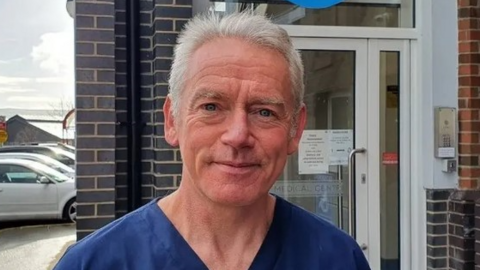
McEvoy outlined the practical impact of the delayed access. A young person in distress on a Friday evening now faces waiting until Monday morning for assessment on a normal weekend, Tuesday morning following a bank holiday weekend, and potentially Wednesday morning after a weekend containing two bank holidays such as Christmas or Easter.
"It's a small change but it is a significant one,"he told BBC Radio Foyle's North West Today programme.
He stressed that
"It's already difficult for families when they're dealing with a young person who is distressed to know how they should manage it."The reduction compounds existing challenges families face when seeking mental health support for their children.
What are politicians saying?
Foyle DUP MLA Julie Middleton called for the service to be fully reinstated, arguing that the decision should be reversed. She warned that risk assessments can change rapidly and emphasised the importance of maintaining accessible pathways for young people to seek help.
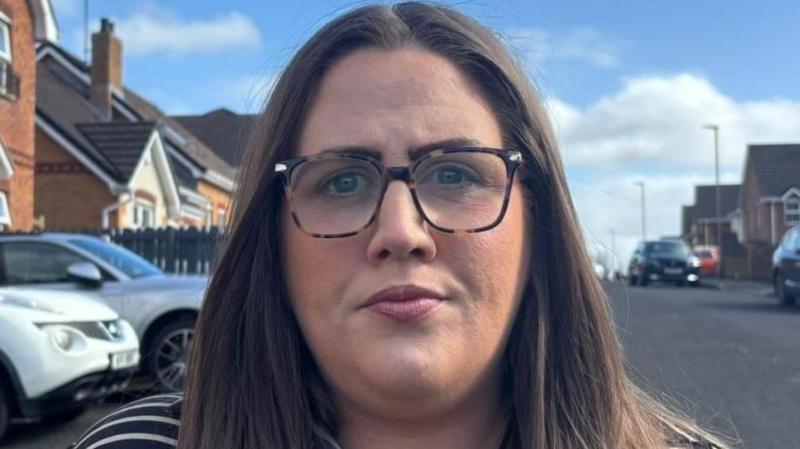
"We need to provide a pathway where they know it's okay to ask for help, that they've asked for help and the help is coming."
SDLP MLA Mark H Durkan described the cuts as a direct consequence of the Trust's financial constraints, stating that the reduction is
"impacting on the services, not the services that people want, but the services that the population need."He urged parents not to be discouraged from seeking help and stressed the importance of reassuring families that those deemed medium or high risk will not simply be sent home without support.
What is the broader context?
The Card Before You Leave scheme was established following a campaign by parents and relatives, with the Health Minister announcing it as a region-wide system and making follow-up care within one week a departmental priority for 2009–10. The scheme has operated across Northern Ireland, though the current reduction affects only the Western Trust area. There have been no changes to the scheme in the Belfast Health Trust, Northern Trust, Southern Trust and South Eastern Trust areas.
The reduction occurs against a backdrop of mounting pressure on mental health services for young people. Emergency department visits by children in mental health crisis surged 36% between 2019 and 2025, with over 6,200 young people waiting more than 12 hours. Medical leaders have warned that A&Es are unsuitable environments for vulnerable children and have called for urgent reform.
What is the Trust's position?
The WHSCT stated that the reduction was introduced
"as part of wider savings measures"and would remain under review. The trust said it remains
"committed to providing safe and effective mental health services for children and young people."
For urgent concerns, the Trust advises seeking help immediately from an out-of-hours service or local Emergency Department, or contacting emergency services if there is an immediate risk to life.
What is driving these cuts?
The reduction is part of a wider financial crisis affecting Northern Ireland's health service. In August, all health trusts announced proposals for savings of up to 12% over three years. The Permanent Health Secretary, Mike Farrar, stated at that time that health and social care in Northern Ireland faces enormous challenges, with a current funding gap of £800 million.