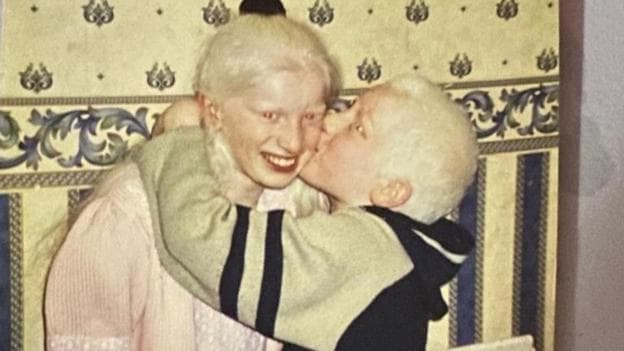
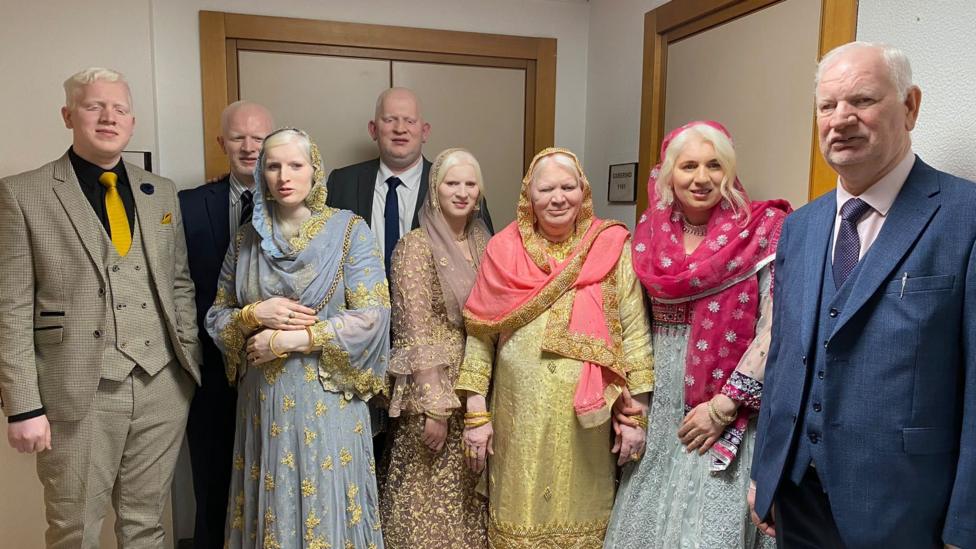
All six of the Parvez-Akhtar siblings and their parents, from Coventry, have albinism—a genetic condition affecting melanin production that gives them pale skin and white hair. According to BBC News, the family's experience growing up in the city during the 1980s was marked by prejudice and mistreatment, yet they have since become advocates for raising awareness of the condition and challenging societal perceptions of difference.
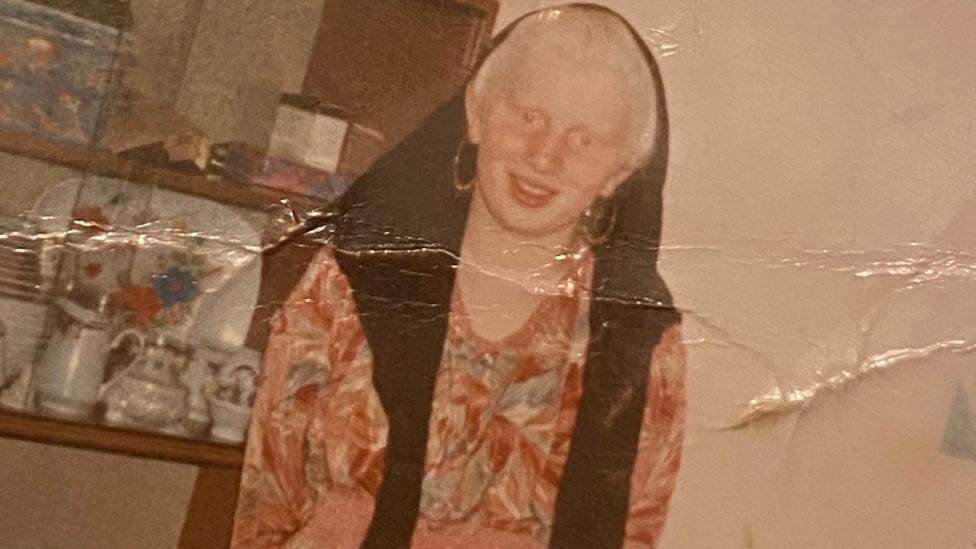
Naseem Akhtar, who grew up in the city alongside her parents and siblings, described the emotional toll of standing out visibly in her community. She recalled childhood incidents that left lasting impressions:
I used to hate bonfire night because you knew that the fireworks were going to come through the letterbox.The stigma was particularly acute for her parents and other relatives who had migrated from Pakistan to Coventry as young teenagers, arriving in an era when awareness of albinism was minimal.
What challenges did the family face growing up?
Akhtar experienced significant bullying as a child, an experience she has reflected on deeply in adulthood. She explained how childhood trauma from not fitting into her own identity and appearance can have lasting psychological effects:
I think that the traumas that we suffer as a child not fitting into your skin, into your identity, I think that then can play out later in life. You have to kind of deal with those feelings... your nervous system got programmed by feeling that feeling of threat because when you were walking around as a child and you were experiencing bullying because you look different.
Despite these challenges, Akhtar recognised a broader truth about living with albinism:
You're never invisible... you will stand out in any community and that takes a lot of strength and courage to fit in to that and to grow into yourself.This visibility, while difficult, became the foundation for her later advocacy work.
How did the family's experience improve over time?
Akhtar is 14 years older than her brother Mohammed Rafi, now 32, and she observed a marked difference in how he was treated growing up. Rafi benefited from greater community awareness and acceptance, having grown up in the same Coventry neighbourhood where the family had become known over the years.
We stayed in the same same area in Coventry, so our neighbours, community... they know us that way and there was more awareness over the years,Rafi said.
This generational shift within their own family provided evidence of broader social progress. Akhtar reflected:
And that shows progression, that Rafi's experience is completely different to mine, which I think can only mean that we as a society are more accepting of difference, and we are more integrated a little bit.
What health challenges does albinism cause?
Albinism affects the production of melanin, which impacts both appearance and physical health. The reduced melanin can cause significant eye problems, including poor eyesight, astigmatism, and photophobia—sensitivity to light.
The main thing that we struggle with is the vision,Rafi noted, describing his own experience with poor eyesight as the primary difficulty he faces daily.
According to the NHS, these vision-related complications are among the most common health consequences of albinism, affecting quality of life and requiring ongoing management and support.
How did the family turn their experience into advocacy?
At just 11 years old, Akhtar took a decisive step toward changing public perception. She appeared on local radio to discuss albinism, driven by a desire to protect her family from further mistreatment.
I did that because I wanted to change that perception that people had - that we weren't the family that could just be dumped on or to be bullied.
This early activism set the tone for her lifelong commitment to advocacy. The family sought recognition and a world record partly to turn years of bullying into something positive and raise awareness of albinism, transforming their personal struggle into a platform for change.
What recognition has the family received?
The siblings received the Guinness World Record in May 2021 for the most siblings with albinism, with the record being reported in January 2022. Akhtar described this achievement as profoundly meaningful:
a mark that that it's OK to be different and and it's all right.
What does the future hold for the family's genetic legacy?
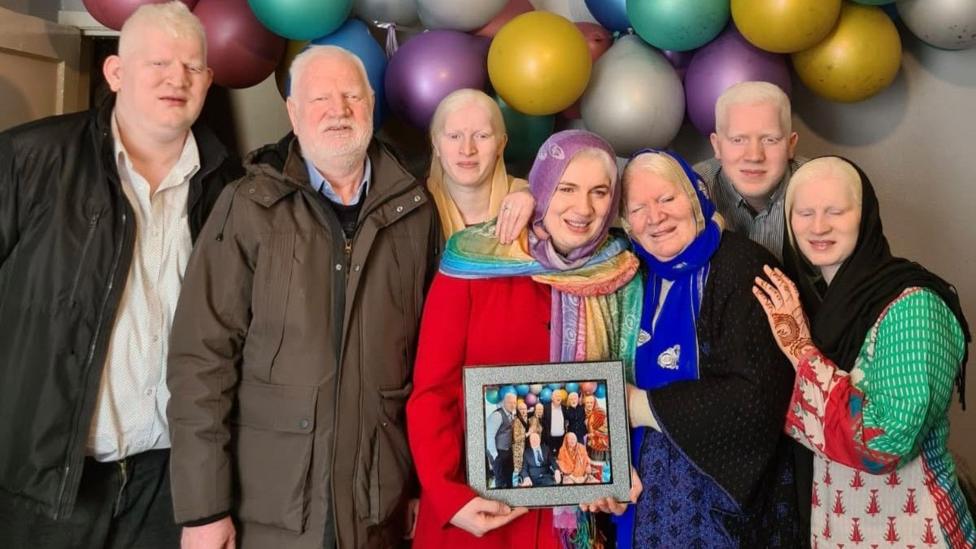
None of the siblings' children have albinism, though they do carry the gene. Rather than expressing sadness about the condition potentially ending in their generation, the siblings view this development with acceptance and even relief. Akhtar explained their perspective:
Although we carry this uniqueness, we also know the struggle of how it has been to find our way in life and to live life in this unique way. Our children will not struggle with the difficulties of having a disability and a long-term condition, I think that's the blessing. Although we have learned to grow into ourselves... it's hard work trying to grow into your skin.
How does Akhtar hope to inspire others?
Akhtar remains committed to using her voice to help future generations of people with albinism. She emphasised the power of perception and self-acceptance:
We're able to advocate for that, we're able to like have a voice for that and to change that because a lot of it is your perception, the more you change your perception about how you feel about yourself you will have a better life.
Her own inspiration came from a specialist teacher who had albinism and supported her during her school years. That early encounter shaped her belief in the importance of representation and mentorship.
I was inspired as a child, my specialist teacher that came to support me when I was younger, he had albinism. He inspired me, so if I as a person can give something back to this world - to inspire others - then I feel like I've done my bit on this earth.