
A painful throat, throbbing head and blocked nose that disrupts sleep are hallmarks of cold and flu season, prompting many sufferers to reach for remedies promising relief. Yet a fundamental question persists: does a premium-priced maximum strength formula deliver meaningfully better results than basic, budget-friendly painkillers?
According to BBC News, pharmacy experts and industry insiders suggest the answer may surprise consumers. Prof Jayne Lawrence, head of the pharmacy division at the University of Manchester, notes that while established brands benefit from television advertising and consumer familiarity, the clinical reality differs markedly from marketing claims.
"The big brands have been around for a while, they've been tested, and there are adverts on the TV saying they're really good," Prof Lawrence explains. "But in reality, there's very little difference. Personally, I'd always go for the cheaper ones - and they've also been tested."
The trade association representing over-the-counter medicine manufacturers argues that recognisable brands can reassure shoppers and simplify product selection on crowded supermarket shelves, particularly when health misinformation circulates widely.
How much more do premium brands cost?
Cold and flu medications divide into three distinct categories: established household names including Lemsip and Sudafed; supermarket own-label alternatives; and single-ingredient formulations containing only paracetamol or ibuprofen. The price disparities are substantial.
A 16-tablet packet of Lemsip All-In-One Max Strength retails for £7.30, representing more than 20 times the cost of paracetamol tablets available in some supermarkets for £0.35. Both products deliver 500mg of paracetamol, an ingredient that does not address the underlying viral infection but does alleviate pain and reduce fever.
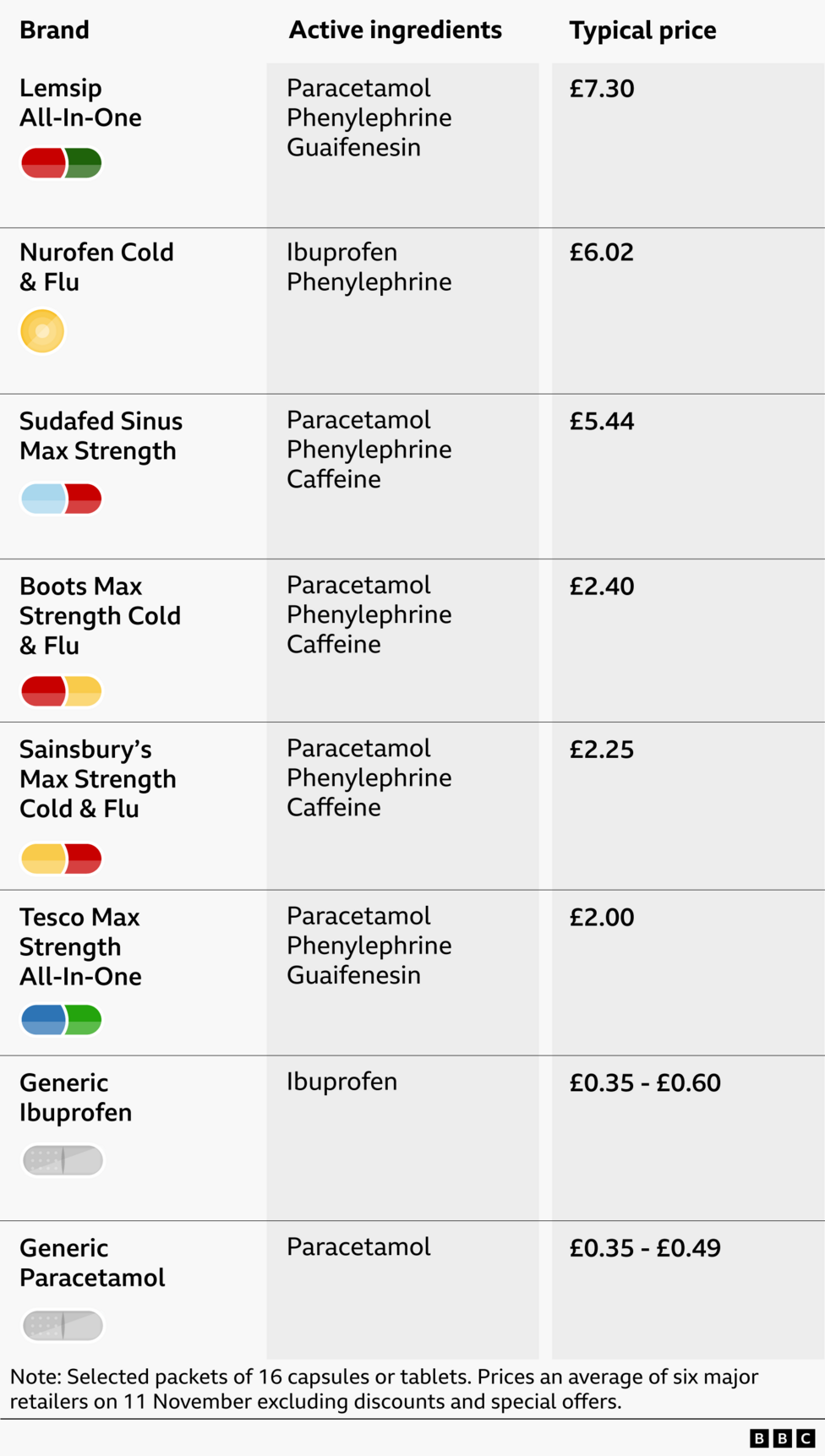
The Lemsip formulation, alongside many competitors, incorporates phenylephrine, a decongestant intended to narrow swollen or leaky blood vessels in the nasal passages that trigger congestion. However, Prof Lawrence highlights a critical limitation: there is minimal evidence that phenylephrine works when consumed as a tablet rather than applied as a nasal spray, because the body breaks down much of the drug before it reaches the bloodstream.
Regulatory scrutiny of phenylephrine has intensified. On 11 November 2026, an FDA advisory committee unanimously concluded that oral phenylephrine is no more effective than placebo for nasal congestion, though this recommendation remains non-binding and the FDA has not yet issued a final decision. The FDA's proposed order indicates that if finalised, removal of oral phenylephrine would take effect one year after publication of the final order.
What about other active ingredients?
Some cold and flu remedies include a third component, guaifenesin, designed to thin mucus in the airways and ease chest congestion. The evidence for this ingredient remains ambiguous: certain studies report improvements in congestion symptoms, while others detect little or no benefit.
Many maximum strength formulations also contain up to 65mg of caffeine per dose, equivalent to roughly one mug of instant coffee. Beyond its mild stimulant effect, research indicates that caffeine may enhance paracetamol's effectiveness and accelerate its action, though any advantage is likely modest. Nearly every brand is available as a flavoured powder dissolved in hot water, typically costing slightly more per dose than tablets, and while a warm drink provides comfort and one drug-company-funded study suggested faster bloodstream absorption, whether patients perceive substantial symptom improvement remains uncertain.
A spokeswoman for Reckitt, which manufactures Lemsip and Nurofen, stated that the ingredients in its products receive regulatory approval and are formulated to address multiple symptoms including fever, congestion and coughs.
Why do shoppers choose expensive brands?
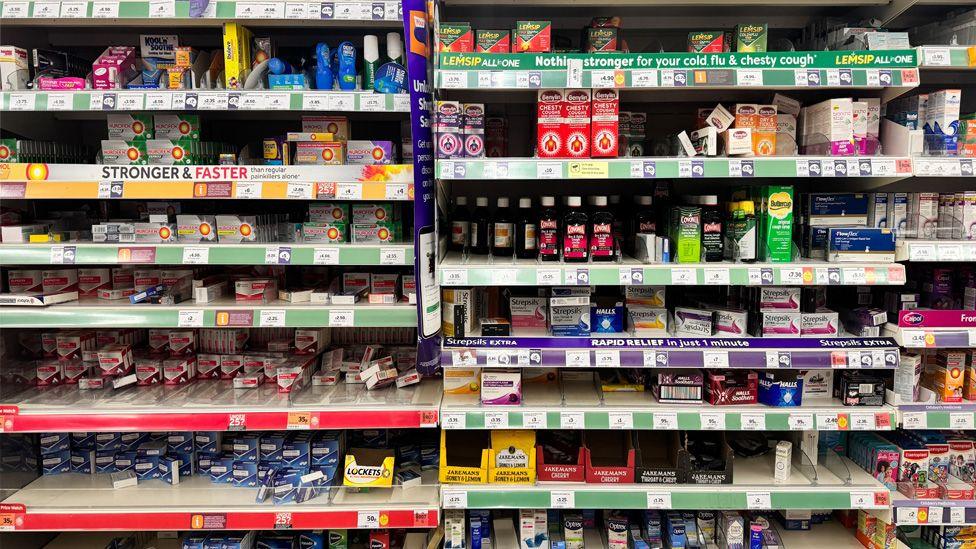
Ingredient composition represents only part of the equation. Larger manufacturers invest substantially in in-store advertising and product displays, according to a former manager at a major chemist chain. Premium own-label and well-known brands typically occupy eye-level shelf positions, while budget alternatives are positioned on lower shelves where they attract less attention.
"You are always going to promote the ones which are more expensive,"the former manager, who requested anonymity due to ongoing industry employment, explains. Consumer psychology plays a significant role: many shoppers equate higher prices with greater trustworthiness or efficacy.
"Nine times out of ten, people would come in and ask for a certain brand. Even if I explained there was little difference, and I was only trying to save them money, they would still want the big name."
The over-the-counter medicines sector in the UK generates approximately £3.3 billion annually, according to industry figures. The PAGB, representing the consumer healthcare sector, contends that "trusted and recognisable" brands can simplify choice and foster confidence during periods when health misinformation spreads.
What do medical professionals recommend?
Healthcare providers suggest a straightforward approach to managing cold and flu symptoms. Rest combined with adequate fluid intake and painkillers such as paracetamol help regulate body temperature fluctuations. A critical precaution involves avoiding accidental overdose by not combining paracetamol with cold and flu remedies that already contain it.
The NHS recommends salt water gargles to soothe sore throats, while Dr Jamie Hynes, vice president of the Royal College of GPs, notes that a homemade hot lemon and honey drink can ease persistent coughs. Medical consultation becomes necessary if a cough persists beyond 21 days, if unexplained weight loss occurs, or in urgent situations involving chest pain or breathing difficulties. Additionally, certain cold medicines are unsuitable for pregnant women, requiring consultation with a midwife, pharmacist or GP before use.
What happens next with phenylephrine?
The FDA must review public comments before issuing a final order; the advisory committee's recommendation does not itself change the marketing status of oral phenylephrine products. If the agency proceeds with removing phenylephrine from over-the-counter formulations, manufacturers would have one year from the final order's publication to reformulate their products or withdraw them from the market.