

Health authorities in the Democratic Republic of the Congo are struggling to contain an Ebola outbreak that has now killed more than 2,300 people and infected nearly 5,000, according to the country's health ministry. Officials declared the outbreak in Ituri province on 15 May 2026, though genetic sequencing later showed transmission had actually begun in February. The disease has since spread into five additional provinces and is on course to become the largest Ebola outbreak ever recorded.
As of Sunday, DRC government figures put the death toll at 2,325 and confirmed infections at 4,945. The UN's humanitarian affairs chief, Tom Fletcher, warned on Friday that the situation was slipping out of control.
"Ebola is winning in the Democratic Republic of the Congo. We cannot let the virus outrun our response."
Neighbouring Uganda, which recorded 20 cases and two deaths linked to the same outbreak, was declared Ebola-free on 28 July 2026.
Our earlier coverage tracked the outbreak's rapid escalation: on 1 August 2026, the World Health Organization confirmed it was the country's worst Ebola outbreak on record, with 3,605 cases and 1,587 deaths at the time. Days later, officials raised concerns the virus may be mutating as case numbers passed 4,000, prompting health teams to shift toward door-to-door case searches. The outbreak has also had international ripple effects: in June 2026, France confirmed its first Ebola case in a doctor returning from DR Congo, whose condition was described as stable while authorities traced contacts.
What is Ebola?
Ebola is a severe, highly contagious disease that is frequently fatal. The virus is believed to originate mainly in fruit bats and typically causes viral haemorrhagic fever in humans. Since it was first identified in 1976, more than 40 separate outbreaks have been documented, and the current crisis marks the 17th recorded outbreak in the DRC specifically.
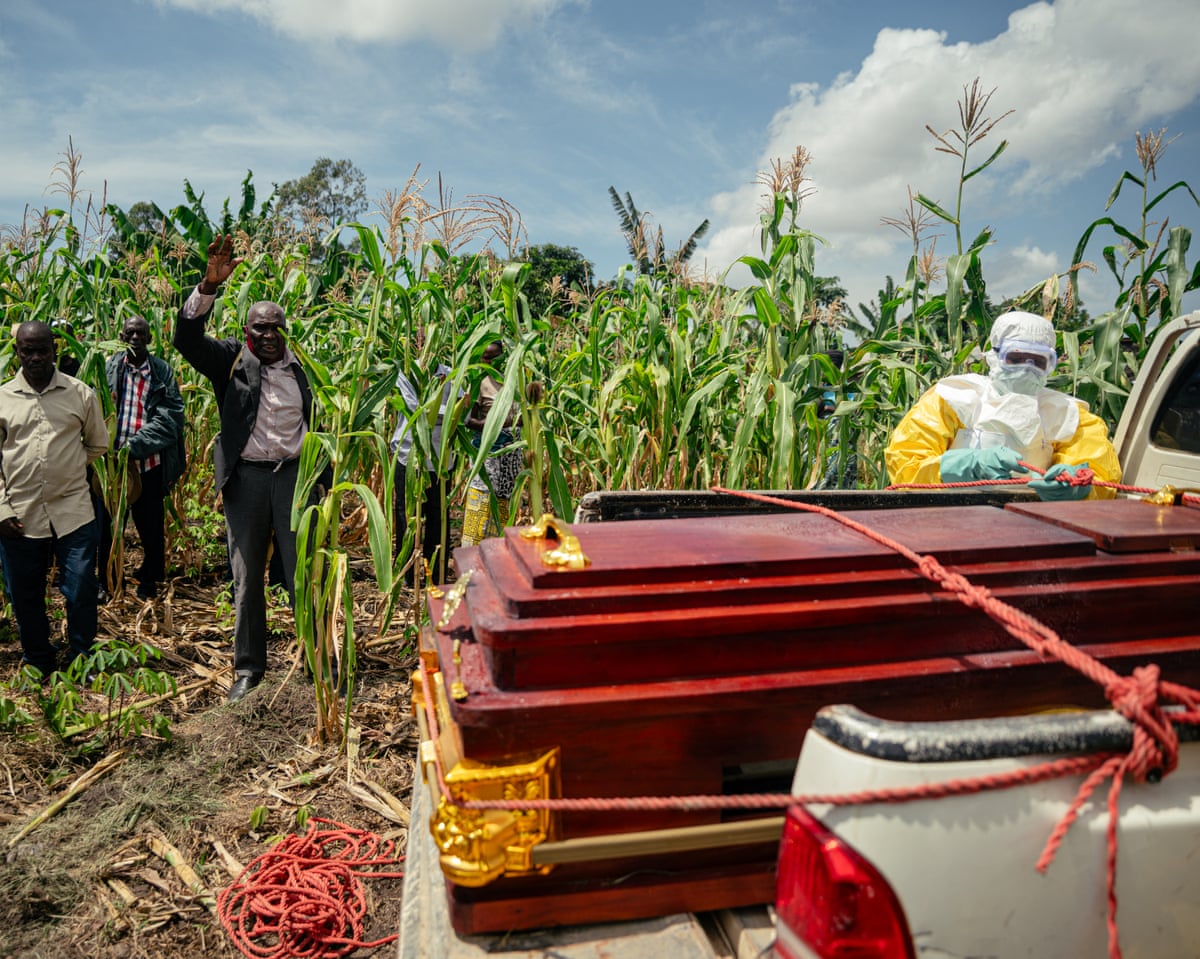
Outbreaks generally begin with a single instance of animal-to-human transmission, known as zoonotic spillover. From there, the virus spreads between people — including through contact with the bodies of those who have died — via bodily fluids such as blood, vomit and semen. Symptoms start with fever, exhaustion, muscle aches and headaches, before progressing to vomiting, diarrhoea, rash, and in severe cases internal and external bleeding. Roughly half of those infected die.
Four strains of Ebola are known to infect humans: Zaire, Sudan, Bundibugyo and Tai Forest. This outbreak is caused by the Bundibugyo strain, which has only been responsible for two prior outbreaks, in 2007 and 2012.
Why is this outbreak causing such concern?
Several compounding factors are driving alarm among health officials: there is no approved vaccine or treatment for the Bundibugyo strain, the affected region is gripped by conflict, communities are wary of health workers, misinformation is spreading, and international aid budgets have been cut.
Trials testing potential treatments for the Bundibugyo strain got under way last month, and two experimental vaccines are being tested in humans for the first time, as detailed in our earlier report on the start of Ebola treatment trials in the DRC, when the outbreak had just over 1,400 cases and 438 deaths. In the absence of a licensed vaccine, containment still relies heavily on moving infected patients into treatment centres to limit further spread.

Those containment efforts are being undermined by violent attacks on health facilities, often triggered by false claims about burial practices, and compounded by decades of unrest that have left many communities deeply distrustful. The outbreak is centred on a mineral-rich area of Ituri province that the government still controls, but where security had already been deteriorating before the outbreak began. The UN's humanitarian office estimates almost a million people in the province have been displaced by conflict.
The virus has also pushed south into parts of North Kivu and South Kivu provinces that are under the control of the Rwandan-backed M23 armed group. Meanwhile, humanitarian funding for the DRC fell sharply during 2025 after the Trump administration scaled back support for programmes previously funded through the US state department, weakening local health infrastructure and disease surveillance. Compounding matters, staff at one treatment centre in Ituri recently went on strike and briefly forced its closure, saying they had gone unpaid for three months.
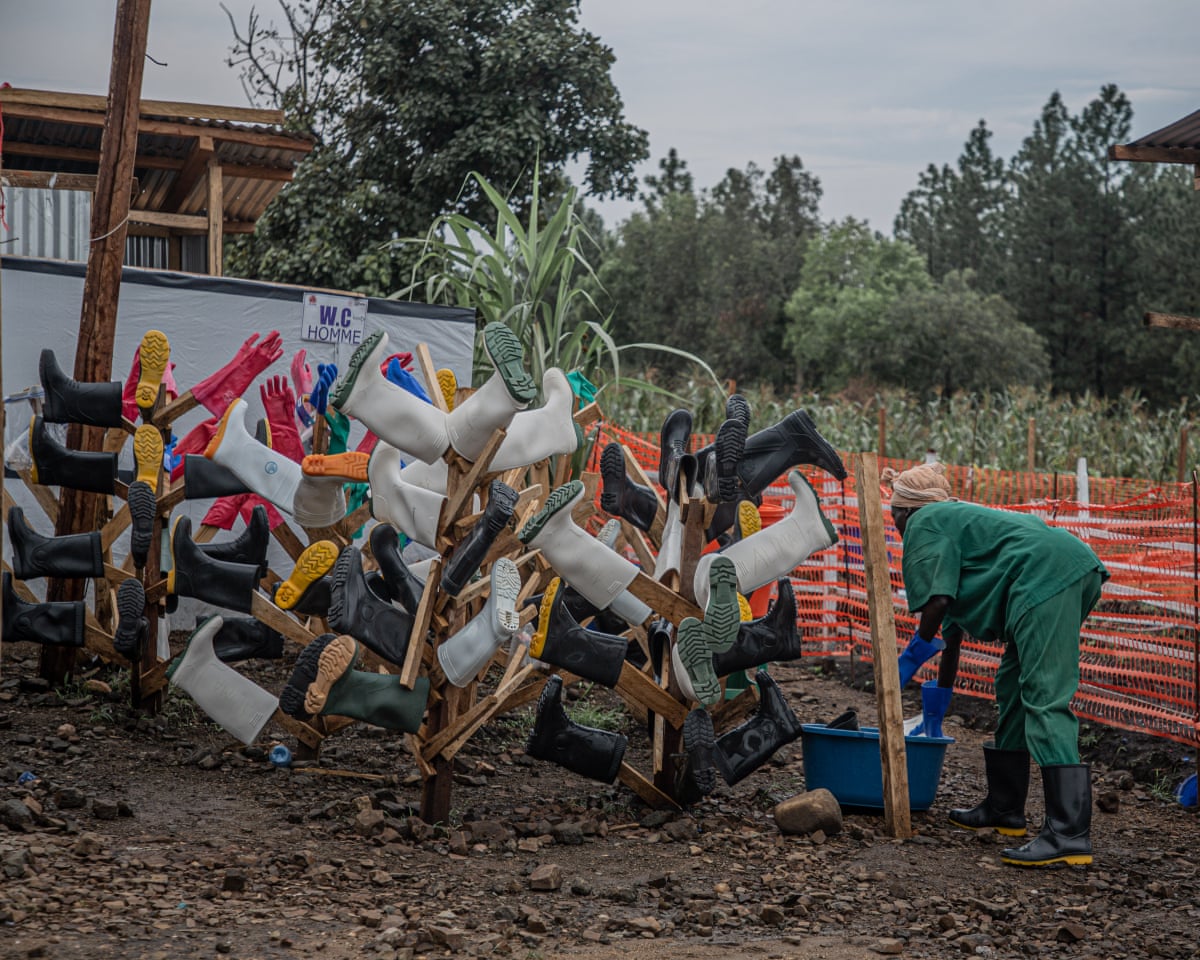
The World Health Organization reported on 12 August 2026 that confirmed cases across the region had reached 4,665, with 2,184 deaths, and described the outbreak as entering a phase of intense transmission, according to the World Health Organization. The same report put the crude case fatality ratio at 46.8%. Separately, the European Centre for Disease Prevention and Control said the outbreak had by 13 August 2026 spread into 54 of the DRC's 151 health zones across six provinces, with 634 patients hospitalised in isolation, and noted 99 new confirmed cases and 56 further deaths in the most recent reporting period compared with the one before, according to the European Centre for Disease Prevention and Control. The UN reported that more than 300 children had died in the outbreak as of 7 August 2026, according to United Nations News.
Why was the outbreak not detected sooner and why does that matter?
The earliest known suspected case was a 59-year-old man who first showed symptoms on 24 April 2026 and died three days later. Health authorities were not alerted until 5 May, when reports began circulating on social media — by which point 50 people had already died. Sequencing carried out since has confirmed that the outbreak's true starting point was in February.
That delay allowed the virus considerable time to spread before containment measures began. Dr Anne Cori, an associate professor in infectious disease modelling at Imperial College London, said any lag in responding to an Ebola outbreak can have serious consequences.
"[Delays] can have catastrophic consequences."
"[Undetected outbreaks] can make standard control measures, such as contact tracing, considerably more difficult to implement effectively, especially in a setting which already faces other challenges such as conflict."
How big could this outbreak get?
Potentially far larger than it already is. The outbreak is on pace to exceed the deadliest Ebola epidemic on record, which killed 11,325 people out of more than 28,600 infections across Guinea, Liberia and Sierra Leone between 2014 and 2016, according to World Health Organization figures.
It is also spreading faster than any previously documented Ebola outbreak. While the west African epidemic took nearly five months to reach 1,000 deaths, this outbreak surpassed 2,000 deaths in under three months. Abdirahman Mahamud, who heads the WHO's emergency response division, has said that if containment efforts were scaled up simultaneously across all five affected transmission zones, a turnaround might be achievable within three months. Even so, he cautioned that under a "moderate" scenario the outbreak would not peak for six months, and containment could take as long as a year.
According to United Nations News, transmission remains heavily concentrated in Ituri province, which accounts for roughly 90% of all cases and 80% of deaths, while the virus continues to spread in North Kivu and is rising in Haut-Uélé. The UN refugee agency has also reported that Ebola has now reached displacement camps directly, infecting 19 internally displaced people and killing five of them, according to United Nations News.
What happens next?
The World Health Organization's Technical Advisory Group recommended on 7 August 2026 that the Ervebo vaccine be prioritised for use against Bundibugyo virus disease, marking a potential next step in the response, according to United Nations News. The WHO and Africa CDC have jointly called for urgent, community-led action, including faster early detection, quicker contact tracing and improved access to care, according to the World Health Organization. The UK government's outbreak monitoring report for the week ending 9 August 2026 noted that the WHO had already declared the outbreak a public health emergency of international concern back on 17 May 2026, according to the UK government.
Key Facts
- The outbreak was declared on 15 May 2026 but sequencing shows transmission began in February.
- As of 12 August 2026, confirmed cases stood at 4,665-4,686 with 2,184 deaths and a case fatality ratio of 46.8%, according to the World Health Organization.
- The outbreak has spread into 54 of 151 health zones across six provinces, with 634 patients in isolation, according to the European Centre for Disease Prevention and Control.
- More than 300 children had died as of 7 August 2026, according to United Nations News.
- The WHO's Technical Advisory Group recommended the Ervebo vaccine for Bundibugyo virus disease on 7 August 2026.


