
A senior emergency medicine physician has expressed grave concern about the strain facing Scotland's health service as the winter season approaches, describing herself as "completely terrified" about the months ahead and calling for an immediate end to the practice of treating patients in hospital corridors.
Dr Fiona Hunter, vice chair of the Royal College of Emergency Medicine Scotland, told a national broadcaster that accident and emergency departments were delivering care at unsafe levels, with some patients remaining on trolleys in corridors for up to 72 hours. Although Health Secretary Angela Constance pledged in August to eliminate corridor care, Hunter said the practice had become so embedded in daily operations that staff and the system had grown dangerously accustomed to it—a situation she warned could contribute to patient deaths.
Constance acknowledged that the winter period would present challenges but maintained that corridor care remained unacceptable. She outlined her priorities as reducing preventable hospital admissions through targeted public messaging to guide people toward appropriate care, establishing proper measurement of corridor care incidents, and shifting winter preparation from a seasonal activity to a year-round focus.
What is the current state of A&E departments?
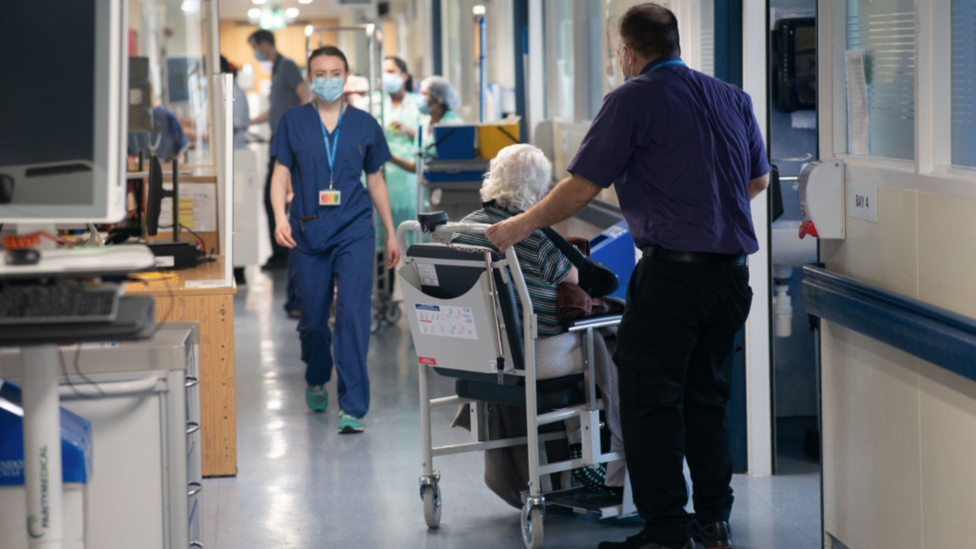
Emergency departments across Scotland are operating under severe strain, with ambulances queuing outside facilities and trolleys lining corridors as a routine occurrence. Hunter described arriving at departments that were "completely stacked with ambulances outside" with trolleys positioned throughout the hallways. The mattresses on these trolleys are designed for use over four-hour periods, yet patients are being kept on them for up to three days, far exceeding their intended purpose.
According to data cited in recent reporting, the scale of the problem is substantial: in the week ending 20 September, 11,398 patients waited more than four hours in Scottish A&E departments, with 4,498 waiting longer than eight hours and 1,935 exceeding 12 hours.
Hunter stressed that prolonged trolley waits carry serious health consequences:
We know that excess mortality happens when you languish on a hospital trolley.She cautioned against discouraging people from seeking emergency care but warned that the system cannot currently provide safe treatment levels because staff are being asked to manage far more patients than they have capacity for.
How are staff coping with these pressures?
Emergency medicine staff across the UK are experiencing exceptionally high rates of sickness and burnout, even before the winter virus season intensifies. Some departments are operating at 500% capacity without a corresponding increase in staffing, creating an unsustainable situation where staff cannot isolate infectious patients due to overcrowded waiting areas.
Hunter explained:
We are not able to provide safe levels of care because what emergency staff are being asked to do across the country is to look after essentially a ward's worth of extra patients and keep seeing every patient that comes through the front door.She added that staff naturally want to isolate sick patients but are unable to do so because waiting rooms are
completely stowed out.

What role does delayed discharge play in the crisis?
Delayed discharge—when patients remain in hospital beds while awaiting community care or social care packages—is a significant bottleneck preventing new patients from flowing through the system. Hunter noted that nearly 2,000 patients experience delayed discharge each month across the country. If even a quarter of these patients could be discharged more promptly, she said, the system would regain sufficient flow to admit and treat incoming patients more effectively.
According to parliamentary statements from the health secretary on 8 October, the median delayed-discharge wait was 33 days across Scotland, with the worst-performing area experiencing waits of 60 days. Councillor Paul Kelly, Cosla spokesman for health and social care, identified delayed discharge and people waiting for community care packages as significant problems requiring urgent investment in social care. He told the programme that health and social care partnerships currently faced
almost half a billion pounds of a budget gapand stressed that investment in the workforce was vital.
What is the government's response?
Constance told the programme that the winter would be
difficultbut reiterated her commitment to eliminating corridor care. She emphasised that the government was supporting hospitals to improve patient flow and was aiming to reduce avoidable hospital admissions through public messaging encouraging people to access the right service for their needs.
The government has now unveiled a comprehensive winter health plan. According to the Scottish government's announcement on 8 October, the plan includes expanded Hospital at Home services, a Home First approach, winter-specific planned-care funding and a public awareness campaign. The plan projects that more than 10,000 patients will benefit from expanded Hospital at Home services, and it notes that flu hospitalised almost 6,700 people during the previous winter.
In a related development, on 9 October the health secretary agreed to work towards defining and measuring corridor care following a recommendation from the Royal College of Nursing Scotland. This commitment addresses a longstanding gap: the government currently lacks comprehensive statistics on the extent of corridor care across the health service.
What broader reforms are planned?
Last month First Minister John Swinney confirmed plans to reduce the number of mainland health boards from 11 to two, a major structural reform intended to free up time and capacity for treatment. However, with implementation some distance away, immediate pressures remain acute.
The government's five-year Health and Care Improving Flow Plan, published on 31 August, sets out a range of measures designed to improve access and hospital flow, expand home and community care, strengthen discharge arrangements and tackle overcrowding. Scottish ministers and health boards are currently developing detailed delivery plans for this initiative, including specific actions, milestones and accountability measures, with progress to be overseen through the Collaborative Response and Assurance Group.
What happens next?
The government's public awareness campaign on accessing the right care in the right place is scheduled to launch at the end of October. This campaign forms part of the broader effort to reduce avoidable hospital admissions by guiding the public toward appropriate services.
Constance stressed the importance of public behaviour in managing winter pressures, emphasising that people should choose the right service for their needs. However, Hunter's warnings suggest that even with improved public messaging and structural reforms, the immediate winter period will test the system severely, particularly if virus activity follows typical seasonal patterns.
Key Facts
- Dr Fiona Hunter, vice chair of the Royal College of Emergency Medicine Scotland, warned that A&E departments are providing unsafe levels of care with some patients spending 72 hours on trolleys in corridors
- Nearly 2,000 patients experience delayed discharge each month, preventing new patients from flowing through the system
- Some UK emergency departments are operating at 500% capacity without corresponding staffing increases, driving high rates of staff sickness and burnout
- The Scottish government's winter health plan, unveiled on 8 October, includes expanded Hospital at Home services expected to benefit more than 10,000 patients
- Health Secretary Angela Constance committed on 9 October to developing proper definitions and measurements of corridor care across the health service