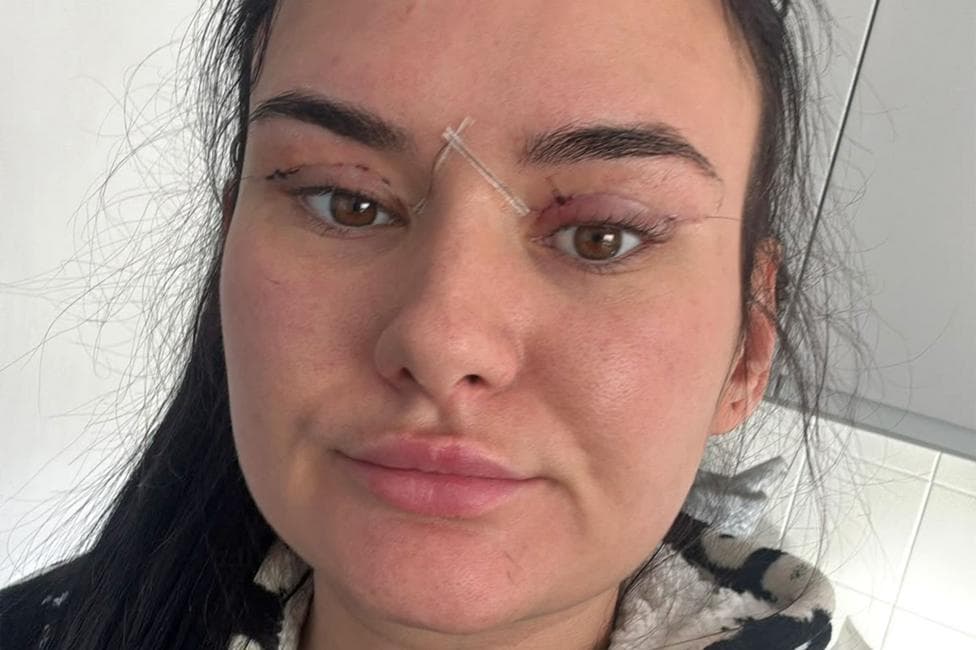
Freddie Woodward, who represented Team GB as a diver, has spoken about how he overcame a years-long struggle with compulsive pornography use that began when he was just 12 years old. Woodward, now 30, said he finally broke free of the habit last year after six years of difficulty, crediting a fundamental shift in how he thought about himself rather than simply trying to "quit," according to a national broadcaster's report.
Woodward said that during his teenage years, the compulsion frequently interfered with his schoolwork.
Every time I sat down to revise, all I wanted to do was open those sites.
By the time he reached his early teens, Woodward said he was regularly accessing what he described as "hardcore" content, and as his diving career advanced to the point of Olympic competition, his consumption escalated to several times a day. According to the same report, at the height of his difficulties he was viewing adult content up to ten times daily. He also disclosed that his academic performance suffered, saying the issue affected both his GCSEs and A Levels, and that he carried what he called a "massive ball of shame" as a result.
Reflecting on how he ultimately changed his behaviour, Woodward explained that recovery required a change in identity rather than a temporary effort at abstinence.
You can't be the person who is trying to quit porn. You have to be someone who doesn't watch porn, and that takes a lot of work.
Woodward has also said he now wants to see improved public education about problematic porn use, describing the approach he favours as one that is "not shame-based, but honest and evidence-led," according to comments reported by a regional broadcaster. In a separate interview clip, he characterised the issue as existing on a "spectrum disorder," noting that some people use pornography recreationally while others experience severe consequences in their lives. Separately, a report by the Daily Mail said Woodward disclosed he had sent nude photographs to strangers for what he described as a "thrill."
Is "porn addiction" a recognised medical condition?
No, "porn addiction" is not an officially recognised diagnosis in its own right, despite being a widely used term. Sex and relationship psychotherapist Silva Neves, who runs a private practice, said the issue has become increasingly common among his clients.
We know a lot of people have a problem with porn.
Experts remain divided over whether the behaviour constitutes a genuine addiction comparable to substance dependency, and over how best to treat it. Campbell Ince, a researcher at Australia's Monash University, said most clinicians now accept that people can experience "problematic porn use," though much remains unclear about its underlying causes and the most effective treatments. As a result, there is no agreed, definitive checklist of symptoms or standard treatment pathway for people concerned about their own use.
Some practitioners instead frame the issue as compulsive sexual behaviour disorder, a condition formally recognised by the World Health Organization. Psychotherapist Dr Paula Hall, who works at the Laurel Centre — a specialist sex and porn addiction service — and also runs a separate not-for-profit, described this as sexual behaviour that feels beyond a person's control and causes significant distress despite repeated attempts to change it. The National Health Service has also stated that people can become addicted to "just about anything," including sex, according to the same broadcaster's earlier reporting.
What are the warning signs of a harmful porn habit?
According to Neves, the key indicator is not how often or how long someone watches pornography, but whether it is causing damage to their wider life. He said this could include being late for work after staying up all night, prioritising porn over relationships with loved ones, or watching it during working hours.
Ince, whose research centres on problematic porn use, said other important questions include whether a person is able to cut back or change their habits when they attempt to, and whether they continue watching even as their enjoyment diminishes. For a man identified only as Craig, who describes himself as a recovering addict, this loss of control became apparent during the Covid-19 pandemic when he was in his mid-thirties.

I don't think it ever became a huge issue for me until lockdown, where that extra pressure, extra isolation, just compounded the issue.
I didn't know how to get it to loosen its grip on me.
Ince cautioned that many people feel distress about their porn use for social, moral or religious reasons without this necessarily meaning their behaviour is genuinely out of control. Neves agreed, noting that someone watching relatively little pornography might feel intense shame and consider themselves an addict, while another person watching daily might feel entirely comfortable with their habit. Hall said she encourages clients to move away from viewing the issue as a binary — "I'm either an addict or I'm not" — and instead focus on the practical impact on areas such as studies and relationships.
Television presenter Ore Oduba has previously spoken publicly about a porn addiction lasting roughly 30 years, which he said began at age nine and which he described as having been "destroying my life from the inside out." Speaking on the We Need to Talk podcast, he said the behaviour had originally been a response to earlier trauma, before he eventually managed to curb it.
What causes problematic porn use?
The precise causes remain unclear, and experts say substantially more research is required. Ince said scientific study of the issue is accelerating but still has a long way to go. Hall said the behaviour can begin as an escape from other pressures, such as a demanding career or the breakdown of a relationship, and that certain "predisposing factors" — including trauma, difficult childhood experiences, or negative self-belief — can make the habit harder to control.
Craig said pornography became, in his words, a "tool to turn to for every one of life's ups and downs," and recalled a period in which he felt "broken, that there was no way out" before his recovery began.
Hall also pointed to the role of digital design, saying people can become "addicted by design" through algorithm-driven platforms. Both she and Neves said artificial intelligence-generated pornography is worsening the problem by allowing users to produce content tailored precisely to their preferences — what Neves described as "exactly what they want and need."
This growing role of technology in enabling compulsive or harmful behaviour echoes concerns raised elsewhere, including in the case of a man named Marios, who has described spending up to 14 hours a day on his phone and is undergoing therapy to address his dependency, as detailed in an earlier report on his 14-hour daily phone addiction and recovery journey. Technology-enabled harm has also been the focus of separate reporting on men secretly filming their partners and sharing footage online, which examined a rise in so-called technology-facilitated abuse.
What treatment and support is available?
Ince recommends that anyone concerned about their porn use seek support from a qualified, experienced professional, ideally a registered psychologist who can assess broader mental health, since co-occurring mental health conditions are, in his words, "more or less the rule, rather than the exception." This proved true for Craig, who said he only recognised his own porn use as potentially unhealthy after beginning therapy for unrelated mental health concerns.
Porn addiction was like a contributing factor.
Craig's therapist recommended a 12-step programme for sex addiction, modelled on the recovery framework created by Alcoholics Anonymous, which he credits with his recovery.
I didn't necessarily find it easy and straightforward to step away from my addiction. I feel I'm in a good place now, but also acknowledge the fact it's one day at a time.
There is currently no dedicated, centralised NHS service specifically for people struggling with porn use, though some local services offer help and GPs can be consulted. As a result, most treatment options come from private practitioners, support groups or self-directed online resources. Ince advised people to research providers carefully and be wary of generic online advice. Neves said some practitioners aim to help clients eliminate porn use entirely, while others work to help people "integrate it into their lives in a way that is functional."
Hall said understanding any underlying contributing factors is essential to effective treatment, and suggested practical steps such as installing blocking software on personal devices, identifying situations that increase vulnerability — such as stress or isolation — and planning alternative activities in advance. She also called for greater NHS support, particularly earlier intervention before the habit becomes deeply entrenched in someone's life.
A Department of Health and Social Care spokesperson responded to the concerns raised.
It is troubling to hear accounts of individuals becoming addicted to pornography at such a young age. It reinforces the importance of the online safety laws we have put in place to prevent children from accessing harmful content.
Key Facts
- Freddie Woodward, a former Team GB diver who competed at the 2016 Rio Olympics, began viewing pornography at age 12 and says he overcame his compulsive use last year after six years of struggle.
- At his lowest point, Woodward says he accessed adult content several times daily, with some reports citing up to ten times a day.
- "Porn addiction" is not an official diagnosis; the World Health Organization instead recognises compulsive sexual behaviour disorder.
- The NHS has said people can become addicted to "just about anything," including sex, though no dedicated NHS service exists for porn-related struggles.
- Experts, including researcher Campbell Ince, say more scientific research is needed to fully understand causes and treatment of problematic porn use.