Phone Addiction: A Personal Struggle
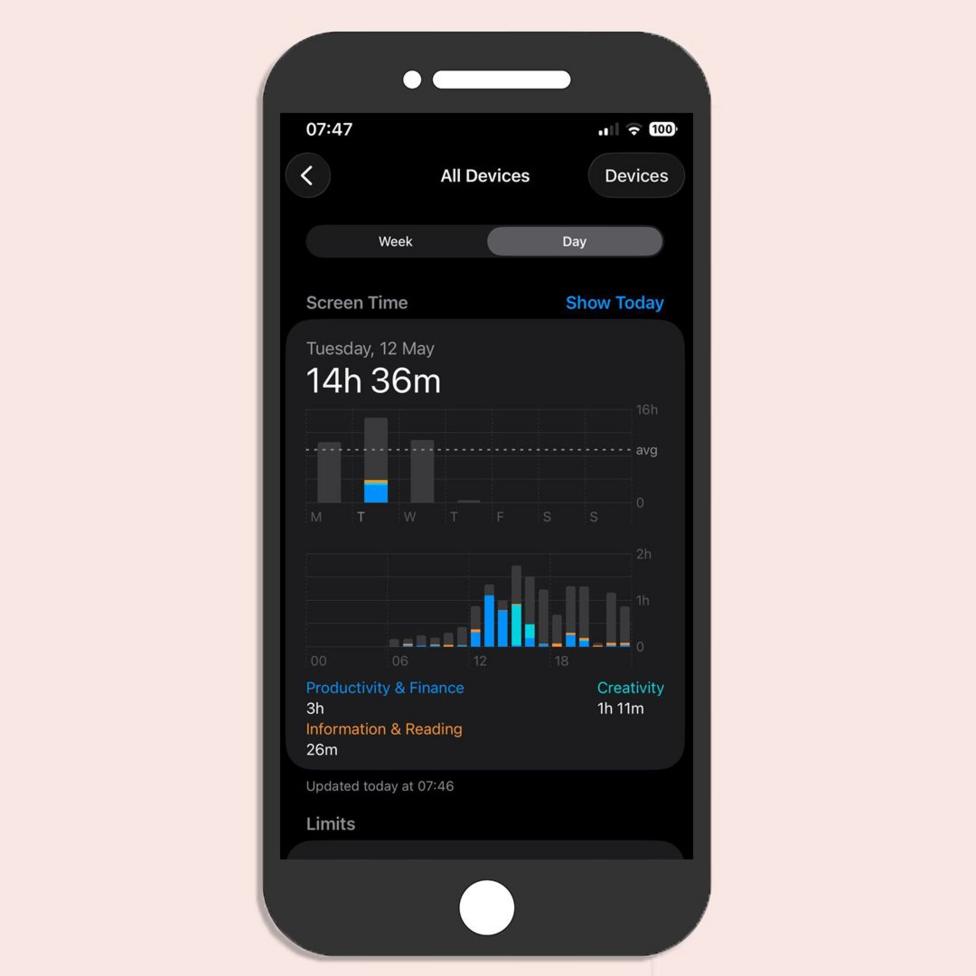
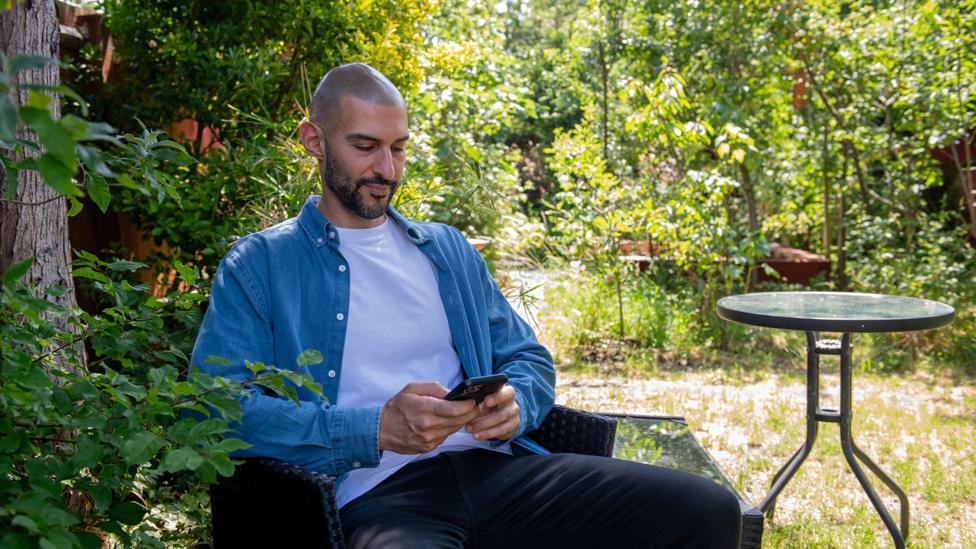
Marios can spend up to 14 hours a day on his phone, describing it as "like a drug in his pocket." His phone pings and lights up with a WhatsApp message from me requesting an initial chat about his story. He feels an overwhelming urge to respond immediately, but he is in the middle of a therapy session addressing his phone addiction and resists the impulse.
After the session ends, he returns to his phone and an hour later, we connect via video call.
"I'm so sorry," I say. "The last thing I wanted to do was disturb your session."
"Don't worry," Marios sighs. "This is the feeling I've had for many years: this uncontrollable need to be on my phone.
"It's like carrying around your own drug dealer.
"My drug is always in my pocket, flashing, beeping me and reminding me to take a dose."
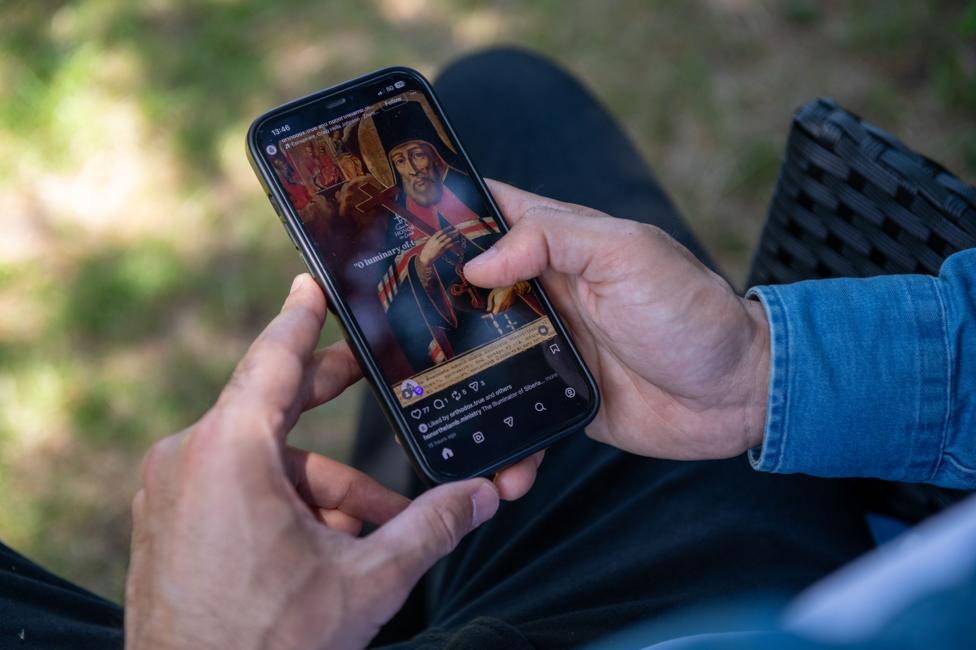
On difficult days, Marios, a personal trainer, can spend more than 14 hours staring at his screen, with Instagram being the main culprit. He is currently undergoing a 12-session private therapy course to address this compulsion, which he believes is fueled by loneliness.
Looking at my own screen time statistics reveals I checked my phone 116 times yesterday and spent over three hours looking at it.
Understanding Phone Addiction
Is Marios addicted? Am I addicted? Marios shares that his phone helps numb feelings of loneliness he sometimes experiences.
Although phone addiction is not officially recognized as a medical condition, a recent Deloitte survey of 1,000 adults found that 70% of respondents believe they spend too much time on their phones. Academics warn that smartphones may alter brain chemistry, and addiction specialists report increasing numbers of clients dependent on their devices.
Last year, one in three clients treated for drug dependency by UK Addiction Treatment Centres (UKAT), which supports 3,500 people annually, also exhibited secondary phone dependency—up from one in ten in 2019.
Some clients even refuse to surrender their devices upon entering treatment, causing them to back out of primary addiction programs, according to UKAT.
When Does Phone Use Become a Problem?
Determining when excessive phone use requires professional intervention can be challenging.
Driving up the tree-lined driveway to Rainford Hall, I am greeted by large stained-glass windows dating back to Jacobean times, overlooking manicured gardens. It is an unexpected setting for treating digital addiction.

This Steps Together rehab centre in St Helens, Merseyside, treats various addictions including drugs, alcohol, and gambling, but therapists report a growing number of patients struggling to disconnect from their devices.
"It can affect anyone from any background," explains lead therapist Kelly Watson. "We all have phones, we all have similar brain circuitry, and so many of us can become addicted."
Watson describes how part of the brain operates on a reward system. Receiving a message, social media like, or new information triggers dopamine release, a chemical messenger regulating pleasure and motivation.
For some, the craving for this dopamine hit becomes overwhelming, leading to hours or even days lost in the online world.
Case Study: James's Experience
James, a 48-year-old patient at another Steps Together centre in Leicester, initially sought help for alcohol addiction but soon realized his digital dependency was also severe.
After losing his job, James's days were consumed by social media scrolling, news website visits, and obsessing over global events. He would wake in the middle of the night to check for social media likes and comments, feeling held hostage by the digital world.
"I would be dreading it," James recalls. "It felt like a bit of my soul had been sucked out of me, but I couldn't stop."
Therapeutic Approaches at Rainford Hall
Watson notes that clients arriving at Rainford Hall often feel worried and confused, reluctant to part with their phones.
"They say: 'But I need it for work, I need it for keeping in touch with family.' I can hear the fear in their voice. It's their safe place."
Many clients stay at the residential centre for at least 28 days, participating in group and individual therapy to address underlying issues and gradually reduce phone dependency.

Therapists work with clients to decrease screen time and explore the thoughts and emotions that arise when not using their devices.
"That's often the issue – life can be too much, and by scrolling on their phone they can disassociate from the real world," Watson explains.
Community Support and Recovery
Beyond clinical settings like Rainford Hall, people worldwide are forming support groups to address digital addiction.

In 2017, several individuals concerned about their technology and internet use founded Internet and Technology Addicts Anonymous (ITAA), a global fellowship modeled after Alcoholics Anonymous (AA).
Jenny, a 30-year-old member who prefers to remain anonymous, describes her experience at the height of her phone addiction. She would go days without sleeping, barely eating or drinking, consumed by her dependency.
"I would lose chunks of my life," she explains. "I did not realise how addicted I was until I was in withdrawal and I had to ask friends and family to keep my devices under lock and key."
"It was so bad, I thought I am going to die if I don't watch something."
When relapsing, Jenny would take or "borrow without permission" devices from family members, which led to feelings of guilt and shame, prompting further streaming to block those emotions.
After years of searching for help, Jenny found ITAA and followed their 12-step program. She has been in recovery for five years and no longer streams or watches content excessively.
"I'm now in control," she says, comfortable using a basic phone and going online for work.
Another ITAA member, Tom, shares how his addiction led him to lose months of his life to screens.
"I would binge for 10 hours straight – listening to music, watching YouTube, scrolling social media, and playing video games simultaneously. Then I would go for a two-hour walk and binge again. This could go on for months."
"My addiction was so overpowering that it led to me losing my business and sense of purpose."
"I am starting to get real joy in life again. I play lots of pickleball, get outside, and go to the gym."
Therapist Insights and Practical Advice
Hilda Burke, a psychotherapist accredited by the British Association of Counselling and Psychotherapy (BACP), authored the Phone Addiction Workbook after observing a rise in clients with digital dependency.
She advises those concerned about excessive screen time to analyze their behavior and consider underlying causes.
"Ask yourself questions like: 'What was going on that day? Was I waiting for someone to message back?'" Burke says.
Often, the discomfort arises from waiting for a response, which triggers phone use as a distraction.
"Instead of going online, maybe do something else to distract you. Call a friend, go for a run, read a book.
"And try not to feel any guilt or shame - instead, think about how you could manage it next time."
Phone manufacturers have introduced features that help users monitor screen time and restrict app access to combat addictive behaviors.
Hope and Progress
Back in north London, Marios remains hopeful that his therapy will help him overcome his phone dependency. He is also learning Spanish through apps on his phone.

However, moments later, he instinctively reaches for his phone but quickly recalls his determination and firmly taps the device.
"Every day, I set myself an intention to not be on it as much and it is making a difference," Marios says. "And every day, I am slowly beginning to enjoy things again. It can be done, I'm sure."