
Children as young as 13 are experiencing significant bladder damage linked to ketamine use, according to doctors running the UK's first and only dedicated NHS clinic for the condition. Medical staff at Alder Hey Hospital in Liverpool have reported over 100 referrals since the clinic opened in May 2025, with some young patients describing the sensation as
peeing a jellyfish— a disturbing reference to the protective lining of the bladder being shed during urination.
The condition, medically known as ketamine-induced uropathy, can result in long-term incontinence, uncontrolled urination, and in severe cases, kidney failure. Many of the children attending the clinic had been using ketamine for a year or longer, suggesting some may have begun using the drug at age 12 or even younger. Several young people with histories of emotional trauma report that ketamine helps to
shushor quieten their thoughts.
Ketamine typically appears as a white or pale-brown grainy powder that users inhale through the nose, though it can also be injected, consumed as a liquid, or taken in crystal form.
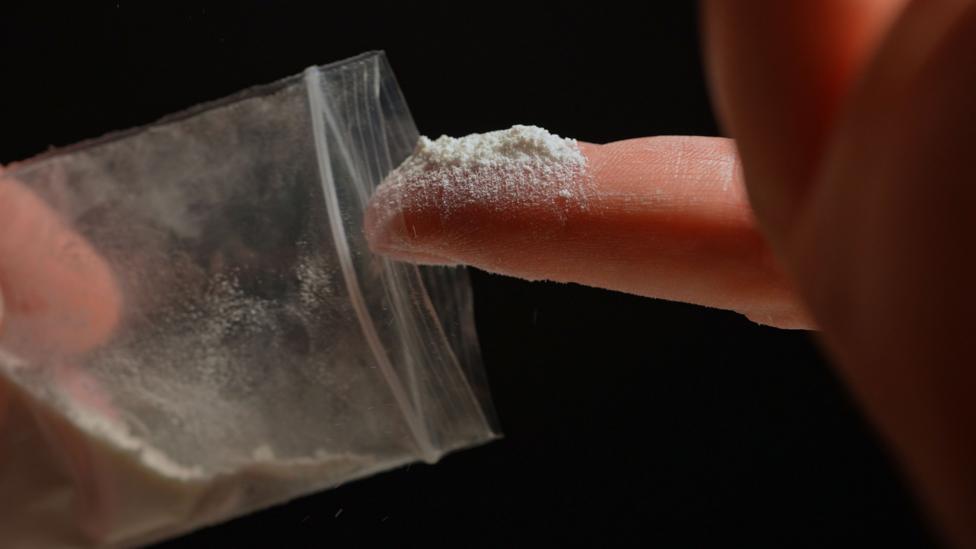
The drug functions as a general anaesthetic, reducing or suppressing physical sensations. Users often describe experiencing a dream-like, detached state accompanied by feelings of relaxation and calm. However, the substance carries severe health risks.
What symptoms are young users experiencing?
Prof Rachel Isba, who leads the clinic, has documented cases where children began wetting the bed or experienced increased urinary frequency and urgency.
Sometimes they don't always make it. They might have accidents...and a lot of them report pain in their bladder.Many describe the sensation as
weeing over broken glass. It's very painful.
According to medical reports from September 2026, symptoms include dysuria (painful urination), urgency, incontinence, and blood-stained urine. The condition can affect the entire urinary tract, encompassing the kidneys and ureters, not merely the bladder itself. Some users also experience abdominal pain and muscle spasms, colloquially termed
K cramps.
How does ketamine use create a cycle of harm?
A particularly troubling pattern emerges when young people use ketamine to manage the pain caused by the drug itself. Because ketamine is a potent pain reliever and anaesthetic, users experiencing bladder pain often turn to the substance for relief, creating what Isba describes as a
vicious cycle or 'K loop', which makes their bladder worse. This self-perpetuating pattern makes cessation increasingly difficult.
The affordability of ketamine compounds the problem. Isba notes that the drug is extremely cheap, available at
pocket-money levelprices, and
you only need a small amount to feel an effect.For vulnerable young people, particularly those in school environments where use is occurring, quitting becomes exceptionally challenging, especially when peers continue using.

Who is most affected?
Among the first 60 patients seen at the clinic, 43 were girls. Many had pre-existing conditions such as ADHD, while others had experienced repeated involvement with the care system. Isba observes that
there's use going on at school. That's really difficult. And, unfortunately for many of these children they are not able to attend education for various reasons.
The clinic has witnessed a dramatic acceleration in cases. In 2023, staff saw one young patient; in 2024, nine patients attended; and 2025 saw what clinicians describe as
a rapid escalation, prompting the establishment of the dedicated clinic. The service now receives approximately one referral weekly from general practitioners and emergency departments across Cheshire, Merseyside, and neighbouring regions.
How widespread is ketamine use among young people?
Ketamine abuse among children and young people is rising across the UK. While cannabis and alcohol remain more prevalent, Isba indicates that ketamine is
probably up into third placeamong substances used by young people. Many children attending the clinic report having experimented with multiple drugs, consumed alcohol, and used vaping products.
According to the British Association of Urological Surgeons, approximately three out of every ten people who use ketamine frequently develop bladder complications. Heavy users have also reported liver damage, though researchers find it difficult to isolate ketamine's specific contribution from other substances users may simultaneously consume, including other street drugs and alcohol.
What are the long-term consequences?
The damage caused by ketamine can sometimes be reversible if drug use ceases, but severe cases may require surgical intervention. In extreme situations, the bladder may need repair or complete surgical removal. Prior reporting from February 2026 documented the severity of the condition, with some young people resorting to wearing incontinence pads or urinating into buckets due to ketamine-related bladder deterioration. Medical evidence indicates that ketamine damages both the bladder lining and muscle tissue, potentially shrinking bladder capacity and, in the most serious cases, causing kidney complications.
What is the legal status of ketamine?
Calls have been made to reclassify ketamine as a Class A controlled substance, placing it alongside cocaine and heroin in terms of legal severity. However, the Advisory Council on the Misuse of Drugs has recommended to the government that ketamine should remain classified as a Class B controlled substance, the same category as amphetamines and cannabis.
What barriers exist to treatment?
Isba highlights significant inequities in access to treatment for young people under 16.
There are definitely some children out there who are under the age of 16 who if they were 18 would be offered an inpatient detox stay. But because we don't have those facilities in the UK, they are not able to access that and that feels unfair. Particularly for the ones who are ready to stop.This gap in provision leaves many vulnerable young people without adequate support for recovery.
How can young people access help?
Alder Hey's clinic operates as the first NHS ketamine clinic for children and young people in the UK, with referrals directed through urology consultant teams for those experiencing persistent bladder symptoms. For young people using ketamine who have not yet developed bladder complications, local drug and alcohol services for young people are recommended as the appropriate entry point for support and intervention.