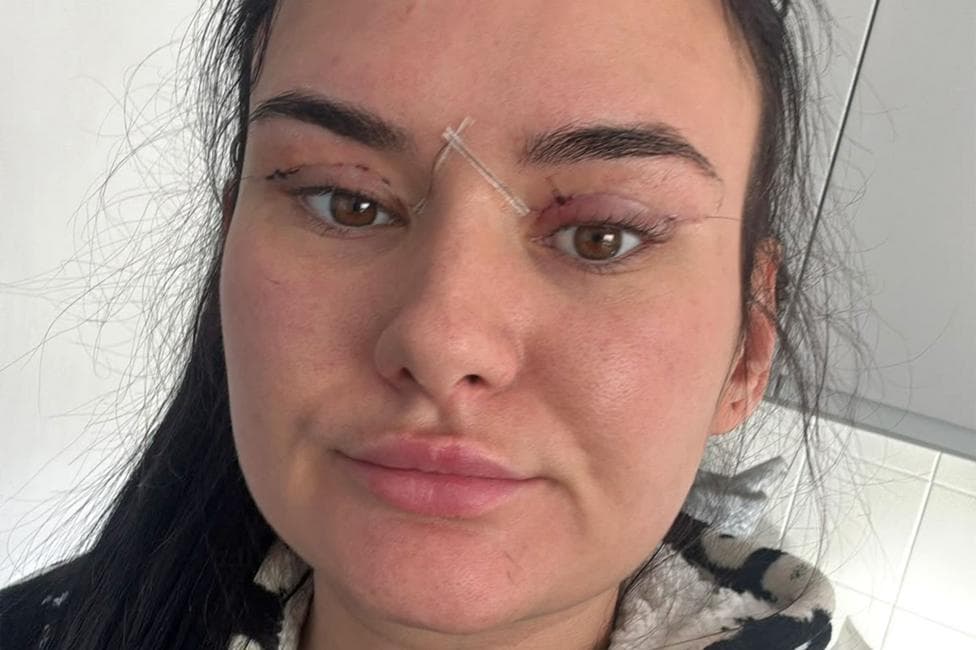
Nikita Morgan underwent a blepharoplasty—commonly called a "bleph"—after discovering videos about the procedure on social media. She chose the surgery to make her eyes more defined, but the experience proved far more traumatic than she anticipated.
"Everyone made it out to be so easy, but my face felt like it was on fire and there was a horrible smell of burning skin,"she recalls of the moment the surgeon began removing skin from above her eyelids.
Despite receiving local anaesthetic, Nikita experienced severe pain during the procedure.
"I went into shell shock, it was horrible. When she was stitching me I could feel the needle going through my skin."Within hours of surgery, she boarded a plane home to Dublin—a decision she now deeply regrets.
"I was struggling to see. If I looked up, my stitches would bleed so it was like I was crying blood."
Nikita's experience is far from isolated. Oculoplastic surgeons—specialists in eye-area surgery—report a concerning surge in complications among patients who have undergone cheap blepharoplasty procedures, typically performed at clinics across mainland Europe, Africa and Asia. The demand for this surgery, which normally costs thousands of pounds in the UK, has grown as part of a wider aesthetic trend to tighten, smooth and lift the face. When complications arise, the burden of corrective treatment often falls on the NHS.
Why are cheap blebs becoming so popular?
Social media has played a major role in driving demand for eyelid surgery. BBC analysis found that videos about blephs posted by UK social media accounts on four leading platforms received nearly 150 million views over the past three years—five times more than the previous three-year period. Many of these posts showcase positive results, with numerous patients treated at Faceland, a Dutch company that has become a major provider of the procedure to UK patients.
Nikita discovered Faceland on TikTok and was struck by the price difference. In Ireland, upper eyelid surgery would have cost her more than €4,000 (£3,400). Faceland offered the same procedure for €750 (£650). The company claims to have performed more than 2,950 blepharoplasty procedures on UK patients at its clinics in the Netherlands, Germany and Switzerland since October 2024. It describes its approach as offering
"safe and quality" treatmentsand states that
"less than 1% of procedures have led to a complaint,"though this figure does not account for patients requiring revision surgery.
Nikita described the clinic experience as
"like a conveyor belt, just one in, one out constantly."This high-volume model is central to Faceland's cost reduction strategy. UK surgeons typically spend about three hours on a blepharoplasty, including preparation, surgery and post-operative care. By contrast, patients we spoke to reported spending less than an hour at Faceland clinics. The company says this efficiency, achieved through higher procedure volumes, significantly lowers costs.
What complications have patients experienced?
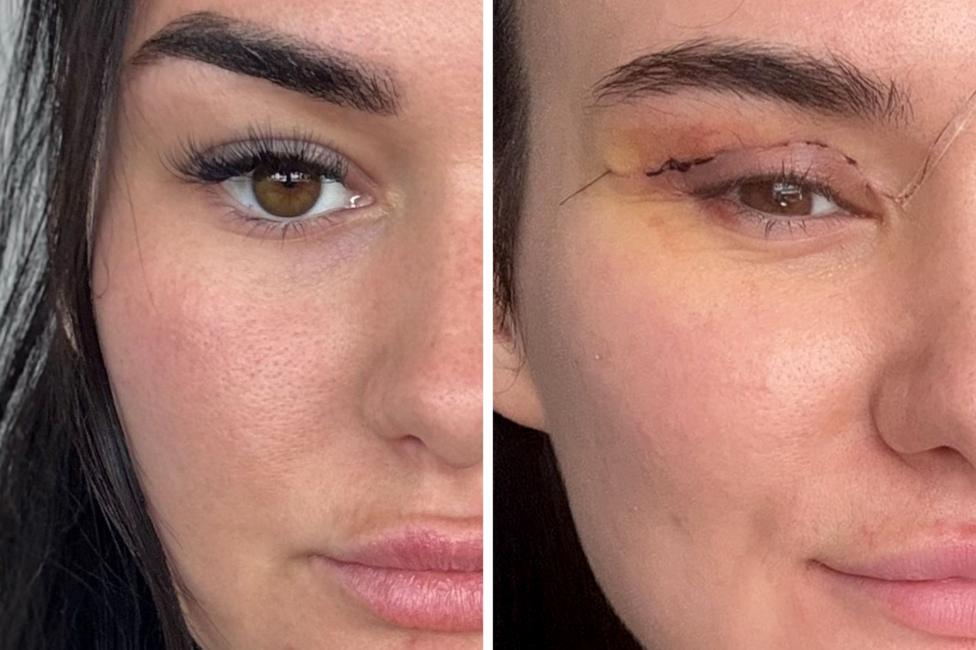
The most common problem reported by UK oculoplastic surgeons is patients being unable to close their eyes properly after overseas procedures. According to a survey of 63 members of the British Oculoplastic Surgery Society (Bopss), this issue has emerged in the majority of cases where surgeons treated patients with blepharoplasty complications over the past 12 months. Other reported problems include scarring, uneven eyes and wounds reopening.
Medical literature documents a range of potential complications from blepharoplasty. A 2026 review notes that complications can include eyelid retraction, scleral show, ectropion, ptosis, infection, diplopia and vision loss, with rare serious events being orbital hemorrhage and blindness. An older peer-reviewed review estimates orbital hemorrhage after cosmetic blepharoplasty at about 1 in 2,000, with permanent visual loss around 1 in 10,000.
Consultant oculoplastic surgeon Colin Vize, who sits on the Bopss executive committee, explains the danger of removing too much skin.
"Removing too much skin from the eyelid is dangerous because it leaves the eye exposed to the elements. Correction can be difficult and expensive."He uses an anatomical comparison:
"Eyelids are like a pair of curtains. When you open them there needs to be a pleat, so when you close them there is enough skin to cover the eyeball."Surgeons have also seen complications from procedures carried out by unregistered UK practitioners, including blepharoplasties performed in living rooms.
What happened to Laura after her surgery?
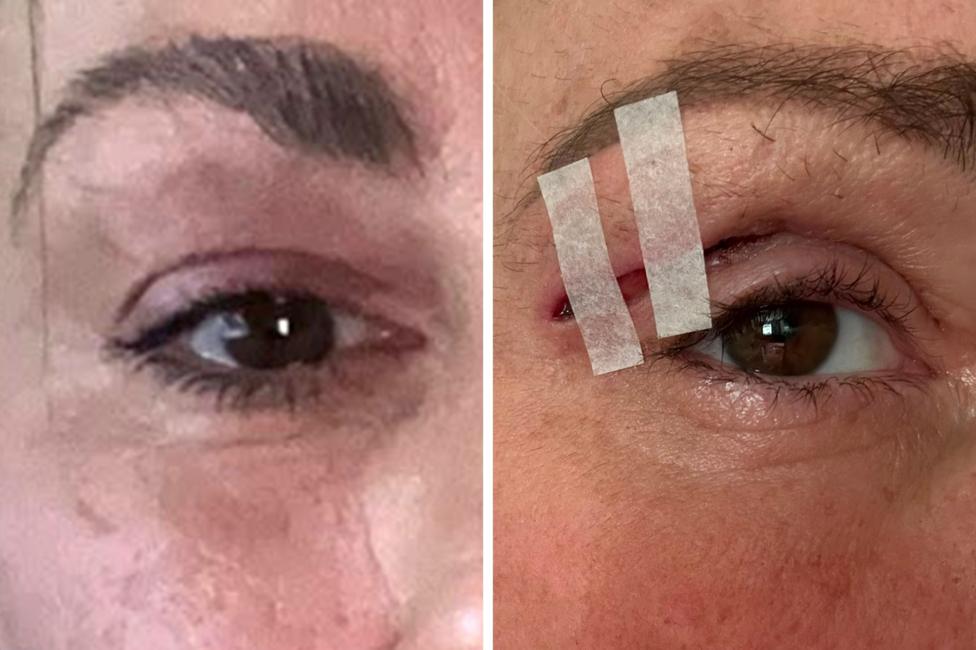
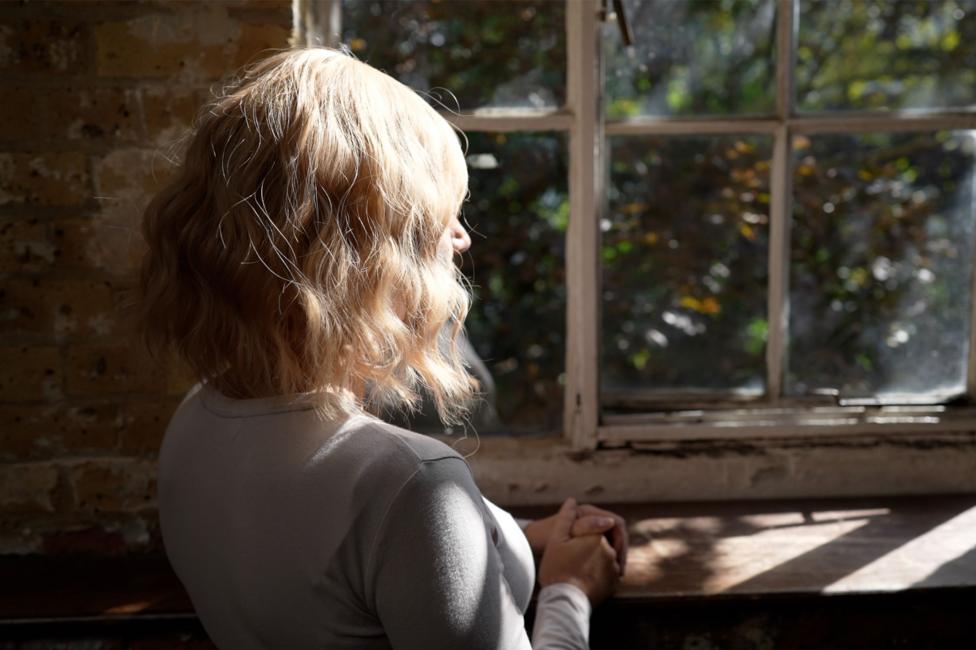
Eight days after undergoing a blepharoplasty at Faceland's Amsterdam clinic in June, a woman we'll call Laura made her first of four visits to accident and emergency. Her procedure had appeared to go smoothly, but problems began when she removed her stitches at home in the UK—a common practice among patients treated abroad. The crescent-shaped cuts above her eyes, held together by stitches, came apart, exposing raw, infected wounds. UK surgeons told us this should rarely occur if a practitioner has been properly trained.
Laura, in her early 40s, called Faceland's emergency helpline multiple times but could not reach anyone.
"When I closed my eyes for too long the tension would cause my wounds to open up again. I was scared to go to sleep and was in constant agony."She communicated with her Faceland doctor in the following days, and the doctor offered several times to fly her back for assessment.
"I was crying, literally begging: 'You can't leave me like this',"Laura recalls.
Instead, Faceland advised her to seek treatment locally. An NHS eye specialist determined that excessive skin had been removed during her procedure. When asked how she felt about the NHS bearing the cost of correcting her cheap surgery, Laura responded:
"I feel guilty... People will think 'it's your own fault', but I would never have gone had I known what could happen."Faceland declined to comment in detail on Laura's case, citing ongoing legal action, but offered €175 (£150) through an independent complaints committee—an amount Laura rejected.

How did Caryn's surgery lead to infection and vision fears?
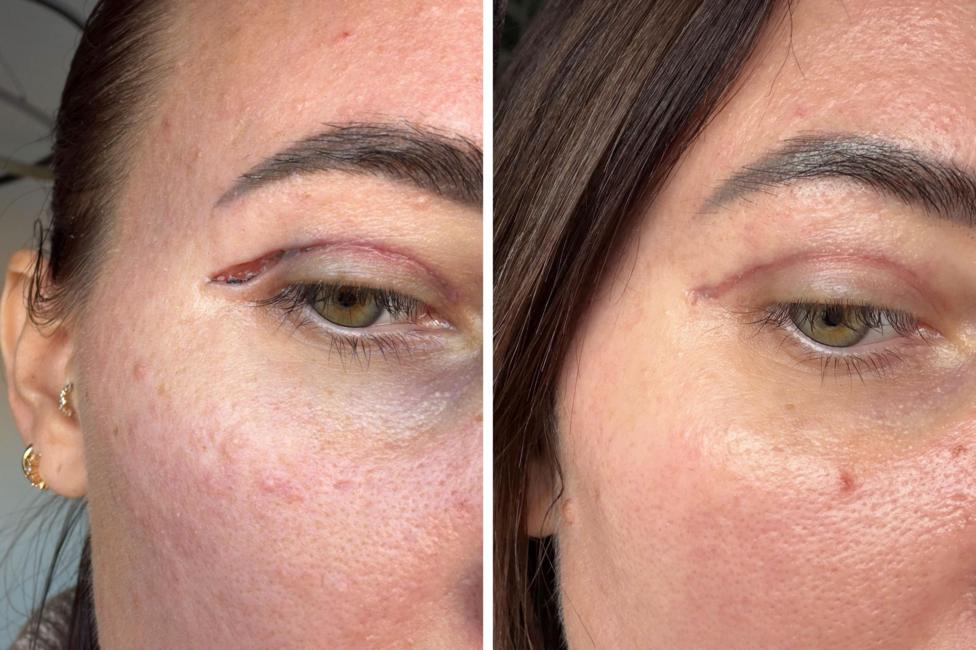
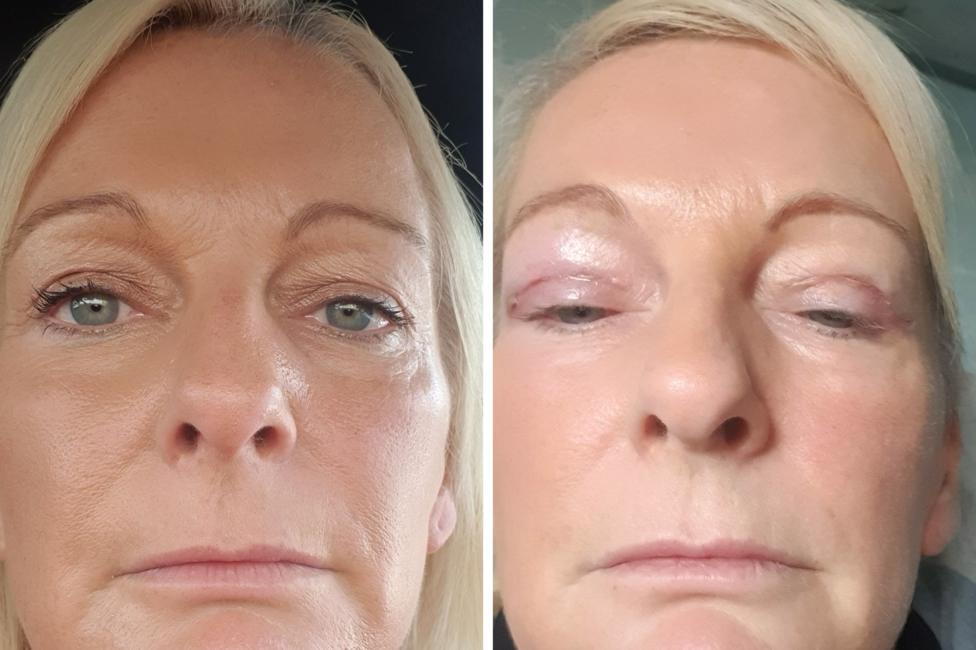
On Christmas Day 2024, Caryn Harte woke struggling to see. Days after her blepharoplasty at Faceland's Amsterdam clinic, her left eye was swollen and weeping blood, and wounds above both eyes had begun to open.
"I was terrified I was going to lose my sight over a bit of excess skin,"she says. She went immediately to accident and emergency, seeing no point in contacting Faceland given the distance involved.
Hospital doctors later reassured her that her vision would be preserved, but her face was severely infected. She was prescribed antibiotics and required hospital follow-up appointments. The BBC has reviewed emails showing Caryn contacted Faceland twice to report her condition. She received a brief reply 12 days later, followed by a few further messages, but she says she has not heard from the company since. Faceland maintains it
"did not leave her without support or follow-up during the aftercare process"and expressed regret if patients felt insufficiently supported or experienced complications.
Nearly two years after her surgery, Caryn continues to experience problems with her left eye, including blurred vision and scarring.
Why is aftercare such a critical issue?
Patients who have undergone cheap eyelid surgery abroad consistently identify inadequate aftercare as their primary complaint. Vize emphasises the importance of proper follow-up:
"Aftercare for the typical bleph should be available to a patient 24/7. If your surgeon is hundreds of miles away, the ability to provide care with a sense of immediacy is impossible."He also cautions that lower costs may correlate with lower standards.
A particular concern is patients removing their own stitches. A week after her surgery, Nikita removed her stitches herself by following instructions from TikTok videos.
"It makes you feel weak, like you're pulling something out of your skin,"she says. Faceland claims it advises patients to consult its doctors about stitch removal timing and provides removal instructions. Nikita states she received no aftercare pack or written guidance. The company also says patients can return to a Faceland clinic for stitch removal, but none of the patients we interviewed had done so.
Vize describes self-removal of stitches as
"a recipe for disaster,"explaining that professional removal by a surgeon or nurse reduces infection risk and the likelihood of wounds splitting open. The NHS provides general guidance on treatment abroad, and the NHS generally will not fund correction of private cosmetic surgery performed abroad, though it will treat a genuine emergency.
What do patients regret about their decisions?
Despite being mostly satisfied with her aesthetic results aside from a small scar, Nikita wants others to learn from her experience and understand the full risks involved.
"If I'd had the money or if I hadn't listened to the spin on TikTok, I probably would have gone somewhere closer to home and not rushed into it,"she says. She particularly regrets flying on the same day as her surgery—a decision she made after seeing others do so on social media, despite medical experts and Faceland itself advising against same-day air travel post-surgery.
Laura expresses deeper regret about the entire decision.
"I tried to fix a problem that didn't really need fixing, and I've come back with a bigger problem that I need surgery for, and I can't afford that. It's pretty devastating."She now fears permanent scarring above both eyes.
Not all patients have had negative experiences. One woman told us her droopy eyelids had been restricting her vision and causing headaches. She was ineligible for NHS treatment and could not afford private surgery in the UK, but after treatment at Faceland, she reports her issues have been resolved. Faceland's website claims it is transforming the market by focusing on
"affordable, accessible and high quality care,"with treatments carried out by accredited medical doctors who receive internal training from Faceland in surgical procedures.
What do surgeons warn about the trend?
UK oculoplastic surgeons emphasise that the surge in overseas blepharoplasty complications reflects broader concerns about the procedure's accessibility and the pressure patients face to pursue cheaper options. The combination of high social media visibility, aggressive pricing, limited aftercare infrastructure and geographic distance between patient and surgeon creates what experts describe as a high-risk environment for complications.
Vize warns that patients should be aware that in some cases lower costs may indicate lower standards. The volume-based model employed by companies like Faceland—processing patients rapidly through clinics—stands in stark contrast to the careful, time-intensive approach typical of UK private practice. When problems do arise and patients return to the NHS for emergency care or revision surgery, the financial and clinical burden shifts to the public health system.
Surgeons also note that the lack of continuity of care when complications develop creates additional risks. A patient experiencing infection, vision problems or wound dehiscence (reopening) thousands of miles from their surgeon faces delays in receiving appropriate treatment, increasing the likelihood of permanent damage.