

Susan Jamison, 60, from Belfast, took the epilepsy drug sodium valproate during pregnancy in the 1990s and says she was never warned it could harm her unborn children. Her daughter Anna, now 32, was born with symptoms of foetal valproate syndrome, including autism, ADHD, learning difficulties and chronic bone pain. Six years after a 2020 government-commissioned review recommended compensation for affected families, no redress scheme has been put in place.
Sodium valproate, also prescribed for bipolar disorder, is known to cause physical harm to babies in the womb, including cleft palate and spina bifida, alongside a range of neurodevelopmental disorders. The medicine's packaging now carries explicit warnings about its use in pregnancy, but Susan Jamison said no such warning existed when she was expecting her children in the 1990s.
What happened to Susan and Anna Jamison?
Susan Jamison was diagnosed with epilepsy as a teenager in 1986 and said the drug initially transformed her life.
It was fantastic - I could carry on going to college, going out with my friends. The seizures stopped.
After moving to England, marrying and becoming pregnant, she asked her doctor whether her medication posed any risk.
I was told 'absolutely not'. He said: 'If you need any more as you're having extra seizures take some more'.
Despite that reassurance, her children were born with symptoms of foetal valproate syndrome. Anna, who also has epilepsy, has autism, ADHD, learning difficulties and bone pain.
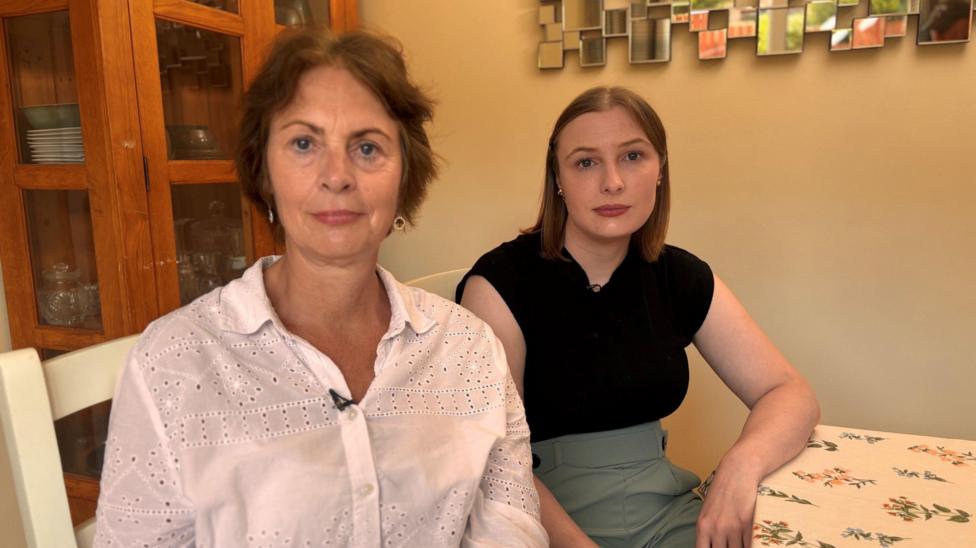
Campaigners estimate around 20,000 people across the United Kingdom have been affected by valproate exposure since the 1970s, with roughly 500 to 600 of those cases in Northern Ireland.
How guilty do affected mothers feel?
Susan Jamison said the emotional toll on mothers like her has been immense.
All the women feel guilty.
She placed responsibility squarely on the authorities that continued to license the drug for pregnant women despite known risks.
The government knew that it [sodium valproate] caused problems and it was still continued to be licensed for usage for pregnant women.
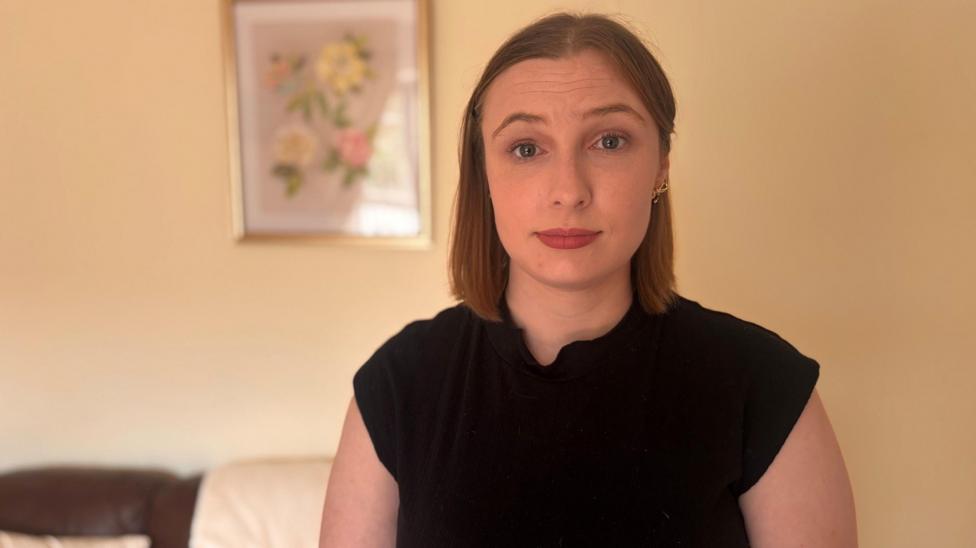
Anna said she has tried to reassure her mother that she bears no blame.
I have tried to convince her we don't hold any grudge. I am grateful to her - it's not her fault. They should have been more honest with her.
What has research found about the risks?
According to figures reported in a Wales-focused report published in February 2026, data from the UK medicines regulator put the risk of birth defects from valproate exposure in pregnancy at around 11%, with neurodevelopmental disabilities affecting between 30% and 40% of exposed children, and the same report noted that no compensation payments had yet been made to any family. The Epilepsy Society separately states that up to 40% of babies exposed to valproate in the womb are born with either a physical birth abnormality or a neurodevelopmental disability, and that the risk of a physical birth abnormality specifically is about 10 in every 100 babies, compared with 2 to 3 in every 100 in the general population, according to the Epilepsy Society.
A study linked to the BMJ and published in March 2026 again found that valproate use during pregnancy was associated with neurodevelopmental disorders such as ADHD and autism, while finding no substantial risk from several other antiseizure medications including levetiracetam and lamotrigine, according to a report on the findings. A separate 2024 study published in Nature Communications also found that valproate, topiramate, carbamazepine and combination antiseizure therapies used in pregnancy were associated with neurodevelopmental conditions in children, according to the study.
Why has redress not happened yet?
The 2020 Cumberlege review recommended that the UK government provide compensation to those harmed by medicines, including valproate, taken during pregnancy, according to the Wales report. A follow-up 2024 report described an urgent need for redress. Susan Jamison said the wait has left families in limbo.
I'm angry. Parents are not getting any younger and we need to set out a care path for our children. It needs to be sorted quickly.
If I am no longer here Anna will have proper housing and medical care which she will need all her life.
In June 2025, England's first patient safety commissioner, Dr Henrietta Hughes, wrote to then Prime Minister Sir Keir Starmer expressing disappointment that the government had not given a substantive response to calls for redress. She had still not received a response by her 16 July deadline.
What does the retired consultant who exposed the risks say?
Dr Jim Morrow, a retired Belfast neurology consultant, established the UK Epilepsy and Pregnancy Register in 1996, work that proved central to revealing valproate's effects. He called the government's inaction on redress a scandal. His research found valproate use was linked to physical abnormalities in about 10% of pregnancies and special educational needs, speech or learning difficulties in more than 30% of cases.

Morrow said women wanting to start a family sometimes face an impossible choice, since some forms of epilepsy respond only to valproate.
Having seizures is awful. People can fall, they can injure themselves.
He said the decades-long delay in recognising the risks left doctors unable to properly inform patients.
This drug has been around for about 50 years and the problems weren't recognised for 30-so years, with another 10 years before any recommendations were made, so the doctors weren't informed so they couldn't really inform the patients.

Morrow argued that although a redress scheme is not a devolved matter, Northern Ireland could still act independently given its role in uncovering the issue.
Northern Ireland were the leaders in exposing this scandal.
Why can't Northern Ireland take the lead and start a redress scheme independently?
He said any scheme should go beyond financial payments to include support for carers, home adaptations and provision for special educational needs.
What are politicians and campaigners saying?
Sinn Féin MLA Órlaithí Flynn said she has been contacted directly by affected families seeking answers.
The mothers I have been working with are carrying massive guilt and shame and pain and hurt as a result of something that was not their doing.
What is crystal clear is that the families are not receiving the proper help and support that they need – they live with life long disabilities.
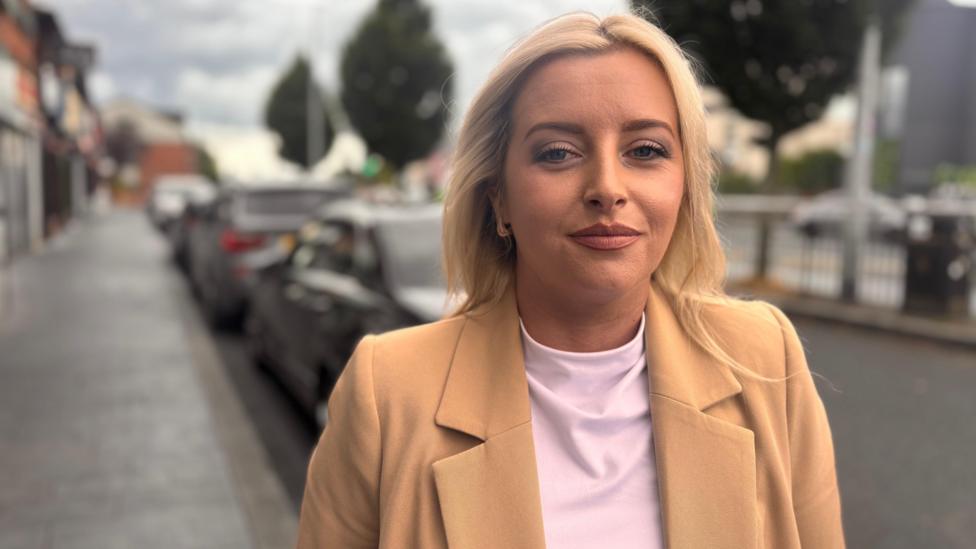
Flynn also called on Northern Ireland's Department of Health to better record the scale of harm and expand local support for families.
What has one anonymous family experienced?
A mother and her 25-year-old daughter from west Belfast, who asked not to be named, also reached out to Flynn. The mother was prescribed sodium valproate in the 1990s and took it during two of her four pregnancies; only the children born during those pregnancies have health issues. Her daughter was born prematurely with a cleft palate, facial features associated with foetal valproate syndrome, and ADHD.
The mother said families are owed a proper apology and that affected children need access to appropriate treatment.
You're trying to fix something that could have been prevented. Parents are left to pick up the pieces.
I can remember when she was born, my mum saying: 'That's those tablets'.
She described her daughter's early years as a cycle of hospital visits for operations, and said she felt dismissed as overprotective when she raised concerns. Her daughter said she is still waiting for some medical treatment. The Belfast Trust said the daughter has a complex condition that has required several surgeries within the Trust, and that she remains an outpatient with her next appointment later this month.
How does this compare with other medical scandals?
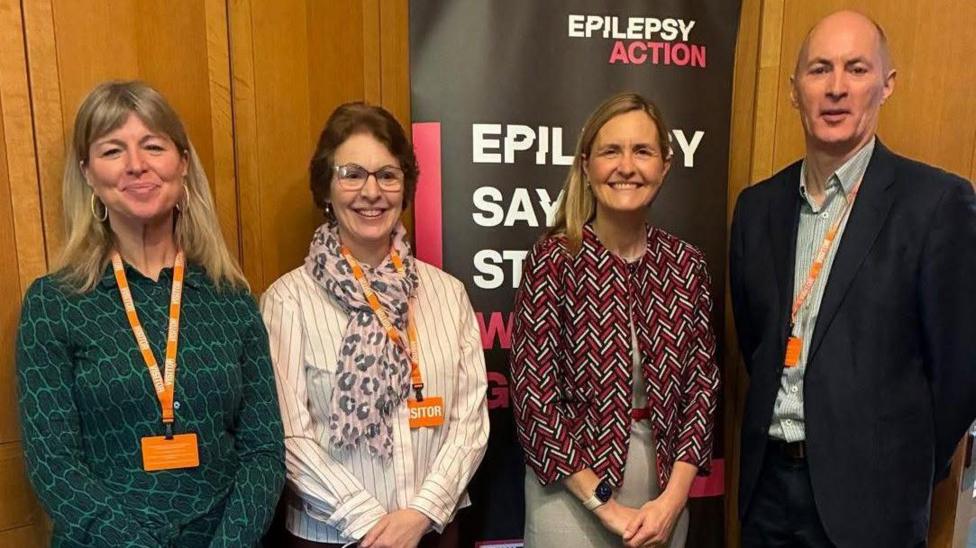
Alison Fuller of Epilepsy Action said the valproate issue ranks alongside the infected blood and Post Office Horizon scandals in scale and impact.
It wasn't until 2018 that it was unlicensed for use in pregnancy.
Families were not given the right information at the time.
Fuller said families supported by the charity are struggling as children grow older and their needs become more complex.
These families are crying out for help and to be seen and heard.
She added that the charity feels disillusioned and frustrated by the lack of government response to the Hughes report, and urged any affected family to come forward.
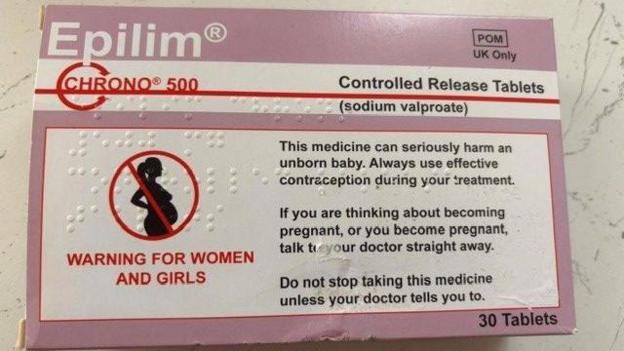
Medication now carries formal pregnancy warnings, and manufacturers such as Sanofi, which produces one brand of sodium valproate, have said they have always fully met their legal and regulatory obligations and provided patient information in line with guidance approved by the Medicines and Healthcare products Regulatory Agency.
How has the government responded?
In May, in response to an Assembly question, Northern Ireland's Department of Health said it was regrettable that the UK government had still not made a decision on redress. Health Minister Mike Nesbitt said victims have had to wait far too long for a response and that he had pressed the previous minister responsible for patient safety for progress on financial redress. Nesbitt said patients can access care through normal clinical referral routes but acknowledged that support for individuals and families affected by medicines taken during pregnancy could be improved. Both Northern Ireland's Department of Health and the UK government have been contacted for further comment.
What broader context surrounds this issue?
Regulators elsewhere in Europe have already tightened rules on the drug: the European Medicines Agency has endorsed measures to prevent valproate exposure in pregnancy, including banning its use for migraine or bipolar disorder during pregnancy and avoiding its use for epilepsy in pregnancy unless no other effective treatment exists, according to the European Medicines Agency. Separately, research into epilepsy treatment continues to evolve; a newer drug called zorevunersen has shown promise for children with Dravet syndrome, reducing seizures by up to 90% in some cases, offering a contrast to the decades-old risks associated with valproate.
Key Facts
- Sodium valproate can cause physical birth defects and neurodevelopmental disorders when taken during pregnancy.
- An estimated 20,000 people across the UK, including 500 to 600 in Northern Ireland, are thought to be affected.
- A 2020 review recommended compensation; a 2024 follow-up report said redress was urgently needed, but no scheme exists as of this report.
- The Epilepsy Society says up to 40% of exposed babies are born with a physical abnormality or neurodevelopmental disability.
- Dr Henrietta Hughes, England's patient safety commissioner, says she has not received a substantive government response despite a July 2025 deadline.


