

A review of hospital records from three major UK trauma centres has found that growing numbers of children are being injured in e-scooter incidents, with some patients as young as nine years old. Emergency doctors are now calling for tighter legal controls after the number of under-16s treated for e-scooter-related injuries at the three sites rose from fewer than 10 cases in 2019 to almost 150 in 2024.
The centres involved — in Liverpool, Manchester and Sheffield — collectively treated 477 children under 16 for e-scooter injuries over the study period. The average age of those hurt was 12, and researchers found that hardly any of the injured children had been wearing a helmet at the time.
How fast are child injuries increasing?
The data show a steep upward trend, with case numbers climbing roughly fifteen-fold between 2019 and 2024 across the three trauma units. Half of the injured children were aged between 10 and 13, and boys accounted for nearly two-thirds of cases. Most injuries were sustained by the person riding the scooter rather than by pedestrians, who made up only around 5% of those hurt. Falling off the scooter was the single most common cause of injury, while collisions with vehicles — about 11% of cases — tended to result in more serious harm. Injuries to the arms and legs were most frequent, followed by injuries to the head or face.
What happened in the Jacob Calland case?
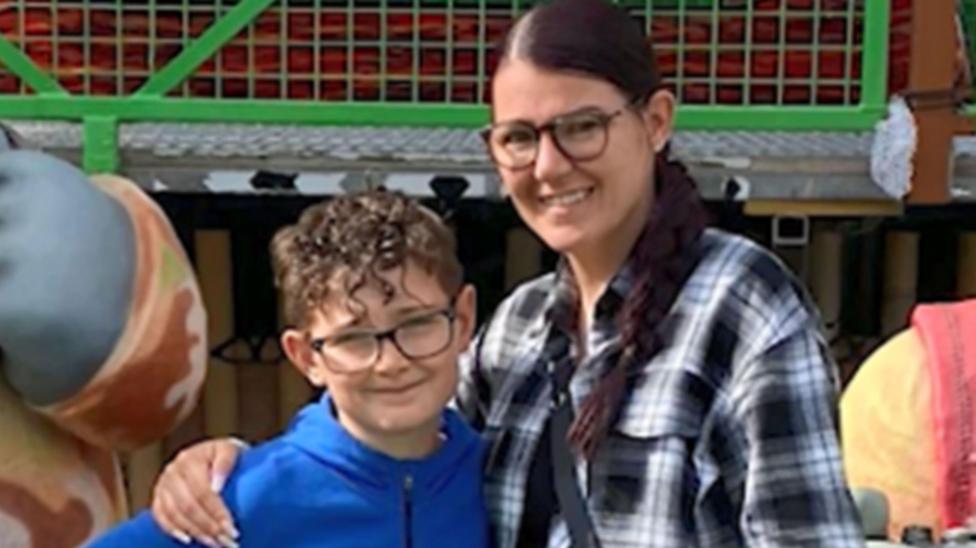
The findings come after a case in which a UK teenager riding an e-scooter in "turbo mode" — a setting that can push speeds to around 28mph — crashed and killed his 14-year-old friend on a busy road. Jacob Calland, who was riding as a passenger, suffered irreversible brain injuries when the e-scooter he was on collided with a BMW car in Wythenshawe, Manchester, on 19 March 2025. He was one of 59 people to have died in e-scooter-related incidents in the UK to date.
Manchester Crown Court heard that the teenager who had been driving the e-scooter also suffered serious injuries, including a bleed on the brain and multiple bone fractures. Detective Constable Steve Pennington of Greater Manchester Police's Serious Collision Investigation Unit said e-scooters should not be treated as harmless toys, warning that they can cause devastating harm when ridden by people without sufficient experience.
Most of the incidents recorded across Manchester, Liverpool and Sheffield involved privately owned e-scooters being used on public roads, pavements or footpaths — despite this being against the law. Private e-scooters are legally permitted only on private land, and only with the landowner's consent.

How does this compare with other countries?
The UK trend mirrors patterns reported elsewhere. In the United States, a national dataset reviewed for a 2026 study identified 2,231 pediatric e-scooter injuries between 2014 and 2023, with a 2.4-fold rise in annual injury rates after the Covid-19 pandemic compared with pre-pandemic years, according to a peer-reviewed study indexed on PubMed. That research found falling off the scooter was the most common injury mechanism, accounting for 69.1% of cases, and that the head was the most frequently injured body part, in 17.7% of cases. It also found that 63.3% of injured children were boys and the average age was 11.9.
Separately, the US Consumer Product Safety Commission reported that e-scooter injuries rose 22% in 2022 compared with the previous year, and that children aged 14 and under made up about 36% of all micromobility injuries between 2017 and 2022 — nearly double their roughly 18% share of the US population. In Australia, admissions of children aged 16 and under to Queensland Children's Hospital for e-scooter-related injuries more than doubled between 2021 and 2024, according to a report from an Australian national broadcaster, which also found that boys accounted for three-quarters of admissions and that nearly two-thirds of children with recorded helmet data were not wearing one.
Is the financial cost of e-scooter injuries also rising?
The UK's e-scooter safety concerns are not limited to hospital admissions. Insurance industry figures reported separately show that payouts for e-bike and e-scooter injury claims have exceeded £110m, a rise that insurers say has already pushed up premiums and that campaigners say strengthens the case for stricter regulation and enforcement. Separately, a child was injured in Londonderry in an e-scooter collision after being struck by a boy riding one, with police still appealing for witnesses after the rider left the scene without providing details.
What are doctors and the government saying?
The researchers, writing in the Emergency Medicine Journal, said responsibility for tackling the problem should be shared widely across society.
"Clearly, reporting these accidents is important to influence and change policy, but there must also be an onus on retailers to clearly advise customers of the law, and policymakers to regulate private e-scooters, such as with speed limiters, or mandate helmet use," they say.
A Department for Transport spokesperson acknowledged the seriousness of the findings and pointed to planned legislative changes.
"These are concerning findings, and our thoughts are with anyone who has been injured on our roads. It is illegal for private e-scooters to be used on roads, pavements or in other public spaces, including by under 16s, and we're bringing forward new laws to make their use safe and legal, including consulting on requirements like helmets."
Currently, private e-scooters in the UK are subject to no legal age restriction, no speed limit and no mandatory safety equipment, despite an estimated 1.2 million people owning one privately. To legally rent an e-scooter — which, unlike private models, can be used on roads and in cycle lanes — a rider must be at least 16 and hold a full or provisional driving licence, with the rental firm providing insurance; rental scooters are also typically capped at around 15mph. Some observers have described the current state of private e-scooter use in the UK as a "Wild West" with little adherence to existing rules. The UK's broader hesitation over how to regulate the devices has also been the subject of continued scrutiny of the country's stalled e-scooter policy, even as everyday use of the devices continues to grow in cities such as Southampton.
What happens next?
The Department for Transport has said it is preparing new legislation aimed at making e-scooter use safer and legal, including a consultation on measures such as mandatory helmet use. No firm timetable for the new laws has yet been set out. Separately, other jurisdictions have already moved to tighten rules: in Paris, private e-scooter riders are now required to wear helmets and high-visibility clothing or face fines, following a near-doubling of e-scooter-related deaths there in a single year, according to reporting on the French capital's new rules.
Key Facts
- 477 under-16s were treated for e-scooter injuries across trauma centres in Liverpool, Manchester and Sheffield, with annual cases rising from fewer than 10 in 2019 to nearly 150 in 2024.
- The average age of injured children was 12, the youngest was 9, and few were wearing helmets.
- Jacob Calland suffered irreversible brain injuries as a passenger on an e-scooter that collided with a BMW in Wythenshawe, Manchester, on 19 March 2025; the incident was one of 59 UK e-scooter deaths to date.
- UK e-bike and e-scooter injury insurance payouts have exceeded £110m, according to separate industry figures.
- The Department for Transport is preparing new legislation, including a consultation on mandatory helmet use for private e-scooters.


