

New Treatment Transforms Lives of Children with Dravet Syndrome
A recently developed drug is significantly improving the lives of children born with Dravet syndrome, a severe form of epilepsy, according to doctors and families involved in its use.
Dravet syndrome is characterized by numerous dangerous seizures daily and affects approximately one in every 15,000 newborns. Without effective treatment, the prognosis is often dire, as uncontrolled seizures place children at heightened risk of injury and mortality.
The innovative drug, zorevunersen, is delivered via infusion into the spinal canal and targets the root cause of the condition in most cases—a defective gene impacting brain function.
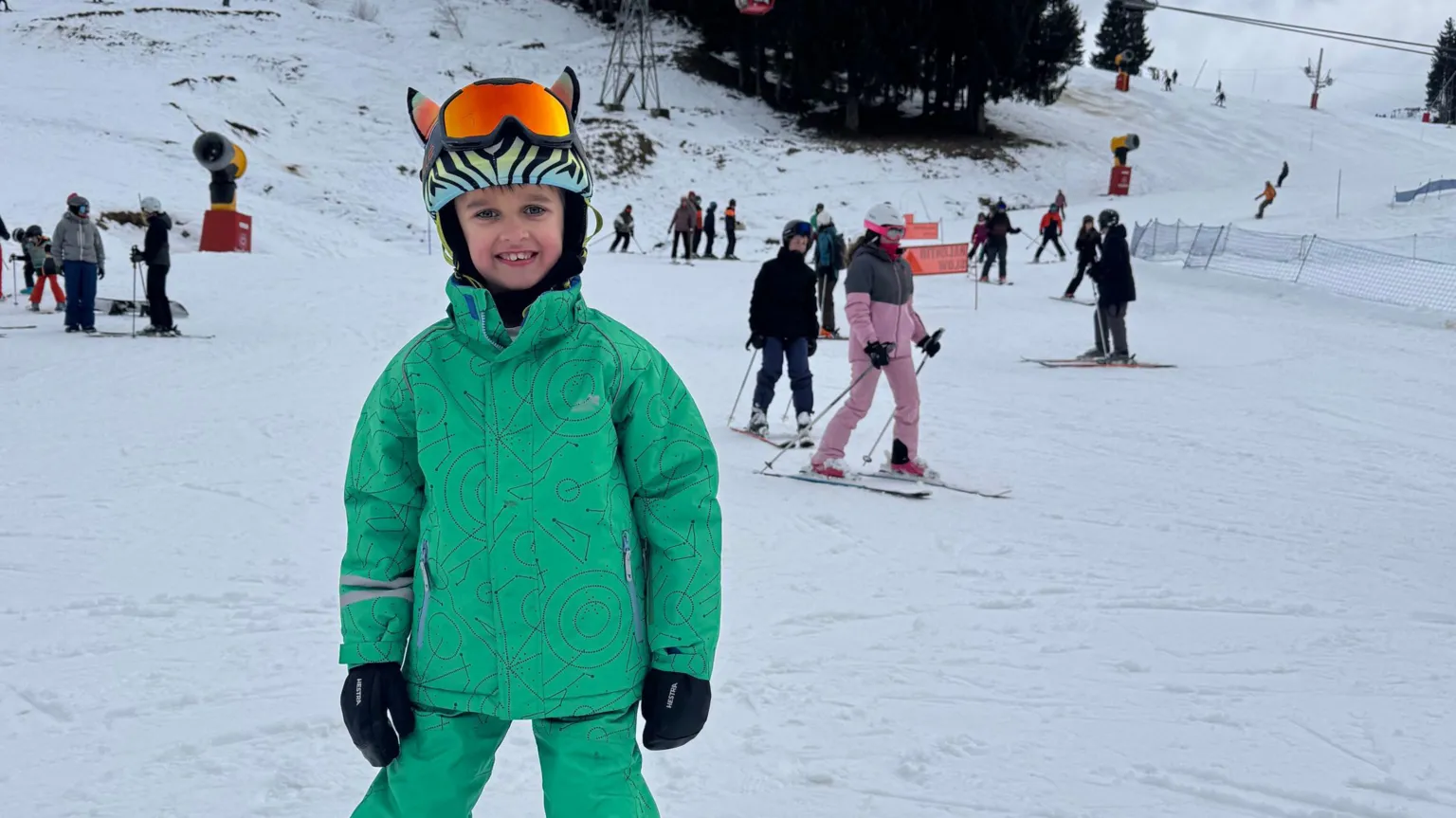
One of the first children in the UK to receive this treatment is Freddie Truelove from Huddersfield. His seizures have dramatically decreased from hundreds per day to only a few per week.
"We now have a life we didn't ever think was possible and, most importantly, it's a life that Freddie can enjoy," said his mother, Lauren, in an interview with .
"Before treatment, life was difficult. Since, he's climbed mountains, we can go out walking with the dogs, walk around the lakes. And he's even been skiing.
"He's out there... enjoying life."
Clinical Trial Results and Drug Mechanism
Early trial results published in the New England Journal of Medicine indicate that zorevunersen can be safely administered to adolescents and young children aged two years and older.
The drug, provided by Stoke Therapeutics, is injected into the lower back to allow it to travel through the spinal fluid to the brain, where it exerts its therapeutic effect.
Dravet syndrome arises from a mutation in one copy of the SCN1A gene, which encodes sodium channels essential for neuronal communication. This mutation results in the production of only half the normal amount of sodium channels in certain neurons.

Zorevunersen is designed to increase the production of these channels, thereby promoting healthier brain activity and reducing or eliminating seizures.
Expert Perspectives and Ongoing Research
Professor Helen Cross, a lead researcher from University College London's Institute of Child Health and Great Ormond Street Hospital, described the findings as highly encouraging.
"With improvements, that gives them real hope that they are able to carry out more normal lives, particularly with their families.
"And even perhaps, if we get the treatment right, get near normal living in the longer term."
Participants in clinical trials conducted in the US and UK experienced up to a 90% reduction in seizures while receiving repeated doses of zorevunersen.
Of the 81 participants, nineteen were treated at UK hospitals including Great Ormond Street, Sheffield Children's Hospital, The Royal Hospital for Children in Glasgow, and University College London.
Many patients, including Freddie, continue to receive the medication as part of ongoing research efforts.
Further results over the coming years are necessary to fully assess the treatment's efficacy before it can be widely recommended. Nonetheless, experts emphasize the significant hope it offers to families affected by Dravet syndrome.
Community Response and Future Trials
Galia Wilson, chair of trustees for Dravet Syndrome UK, highlighted the profound impact of the condition on families and expressed optimism about the new treatment.
"We regularly see the devastating impact that this condition has on the lives of families. That's why we're so thrilled about these latest results from the initial zorevunersen clinical trials.
"We're now looking forward to the Phase Three clinical trials taking place to see if the early promise we see here will translate into real hope for all those families currently affected by Dravet syndrome."


