

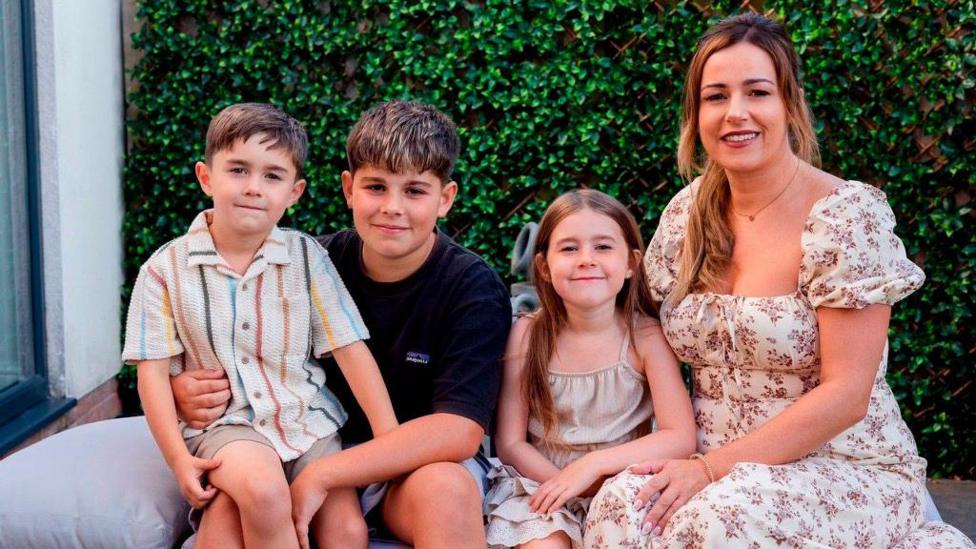
A four-year-old boy from Bridgend was taken to hospital after a counterfeit squishy toy burst while he was squeezing it, splashing a chemical-like substance into his eyes. His mother, Jodanna Bevan, said she now feels "guilty" for having bought the toy from Shein after spotting it on discount.
Bevan said Hudson was squeezing the toy when it "popped and exploded all over his face", releasing what she described as a "thick white substance" with a sandy texture. She said his eyes appeared bloodshot but seemed fine once washed, only for them to swell so badly overnight that he could not open them by the following morning, prompting the hospital visit.
At hospital, medical staff flushed water through each of Hudson's eyes to restore their pH balance. Bevan said watching her son go through the ordeal was "horrendous as a parent", and that his vision was affected, though he was given eye drops to treat the damage.
"It just doesn't make sense."
Why have these toys become so popular?
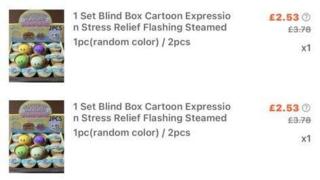
The squishy toys, many shaped like dumplings, became a sensation among children after spreading widely on TikTok, Instagram and YouTube. Part of the appeal is that buyers cannot see which design is inside the packaging until they open it, adding an element of surprise that has driven demand among young children including Hudson.
That popularity has fuelled a parallel market in duplicate and counterfeit versions sold online and through shops and market stalls. The UK government said Border Force intercepted more than 260,000 counterfeit toys in the past year alone, and it was only after searching online that Bevan discovered counterfeit squishy toys can contain chemicals such as phthalates and benzenes. Phthalates are regulated in the UK as hazardous substances, despite being present in some cosmetics, fragrances and food packaging.
This is not the first time counterfeit versions of the toy have raised alarm. Council officers in Glasgow previously seized nearly 6,000 counterfeit squishy toys over concerns including harmful chemicals and choking hazards, urging buyers to check authenticity and safety labelling before purchase. Separately, children in Scotland have suffered burns after heating squishy toys in microwaves, with some injuries serious enough to require surgery.
How widespread is the problem elsewhere?
The issue is not confined to the UK. According to a US broadcaster's report, fire officials in New York issued warnings after two children were burned in a microwave-related incident on 2 July 2026, including a four-year-old who suffered burns to the legs, arms and face.
US poison-control specialists have also flagged incidents to the Consumer Product Safety Commission, according to a Pittsburgh news outlet, including a case in which a squishy toy exploded and caused chemical burns, and another in which a counterfeit product gave off a strong chemical odour. Separately, Consumer Reports cited a CPSC-logged incident in which a dinosaur-shaped squeeze toy popped and gel entered a six-year-old girl's eyes, causing pain and swelling. A later report from Business Insider put the scale of the problem in context, noting 427 squishy-toy-related cases recorded in 2026 so far, compared with 171 over the same period the previous year.

What is actually causing the injuries?
Burns specialists say the danger often lies less in toxicity and more in the physical effect of heat on the toys' gel filling. According to a national newspaper's report, heating can cause the gel to rupture, stick to skin and cause deep burns, sometimes requiring surgery and lengthy rehabilitation. The same report said the Royal Hospital for Children in Glasgow had already treated six children for injuries linked to the trend over the previous eight months, with some requiring skin grafts.
Safety guidance issued in Australia, cited by the national product safety regulator, advises families to keep the toys away from direct sunlight, hot cars, microwaves and freezers to reduce the risk of rupture.
What has Shein said in response?
Shein said the product involved in Hudson's case had been reviewed by its product safety and compliance teams and was no longer available on its platform. The company said its customer service team had contacted the family and wished them a speedy recovery.
"All sellers are required to comply with Shein's code of conduct, our product safety standards, and the applicable laws and regulations of the markets where we operate."
"Earlier this year, well before we became aware of this incident, Shein took the precautionary decision to enhance our controls relating to the sale of squishy dumpling products on our platform."
"We continue to advocate for greater cross-platform information sharing on problematic listings and sellers."
How can parents tell if a squishy toy is genuine?
Vicki Worrall, from Cardiff, whose seven-year-old neurodivergent son uses sensory toys, said she buys squishy or fidget toys because they can act as "a distraction or a release" for children with anxiety.
"It helps them to be able to focus more on the activity that they're doing because it sort of reduces the fidgeting."
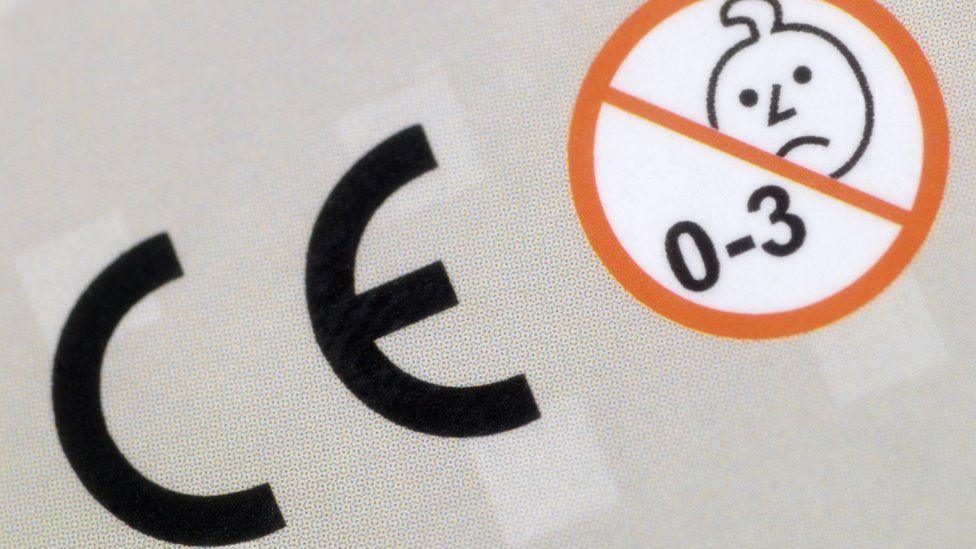
The 47-year-old said she had seen many versions advertised recently on Amazon and Temu but avoids buying from those platforms. While she has not personally encountered a counterfeit squishy toy, she said she had seen warnings from other parents describing a strong petrol-like smell coming from some products. She recommended buying from reputable retailers and checking for the CE safety mark to confirm a toy meets recognised safety standards.
Worrall added that even toys sold under recognised brand names should still be checked before being given to a child, given the volume of counterfeit products now in circulation.
The squishy toy trend has coincided with wider concerns about unsafe products reaching UK consumers through online marketplaces. A separate investigation by consumer group Which? previously found 150 unsafe baby products still being sold on UK online marketplaces despite existing warnings and recalls, pointing to broader gaps in oversight of goods sold through such platforms.
What should parents check before buying?
The Department for Business and Trade advises buying toys only from reputable retailers and confirming they carry clear age restrictions. Consumers are also encouraged to check whether a toy has been subject to a safety recall. The Intellectual Property Office recommends checking for a UKCA or CE safety mark and a UK contact address on the packaging once an item arrives.
"Children's safety is our top priority and any toy sold in the UK must meet our strict laws."
"People should contact their local Trading Standards with any safety concerns."
What happens next?
Manufacturer guidance for at least one branded squishy product, Schylling's NeeDoh cubes, continues to warn customers not to heat, freeze or microwave the toys because doing so may cause injury, according to a US regional news outlet. The continued warnings suggest manufacturers and regulators are still treating the risk as active rather than resolved, even as individual retailers such as Shein remove specific products following complaints.
Key Facts
- Hudson, four, from Bridgend, needed hospital treatment after a counterfeit squishy toy from Shein exploded in his face.
- UK Border Force intercepted more than 260,000 counterfeit toys in the past year, the government said.
- Business Insider reported 427 squishy-toy-related cases in 2026 so far, up from 171 the previous year.
- The Royal Hospital for Children in Glasgow had treated six children for related injuries over eight months, per the Telegraph.
- Experts advise checking for UKCA or CE safety marks and avoiding heating, freezing or microwaving squishy toys.


