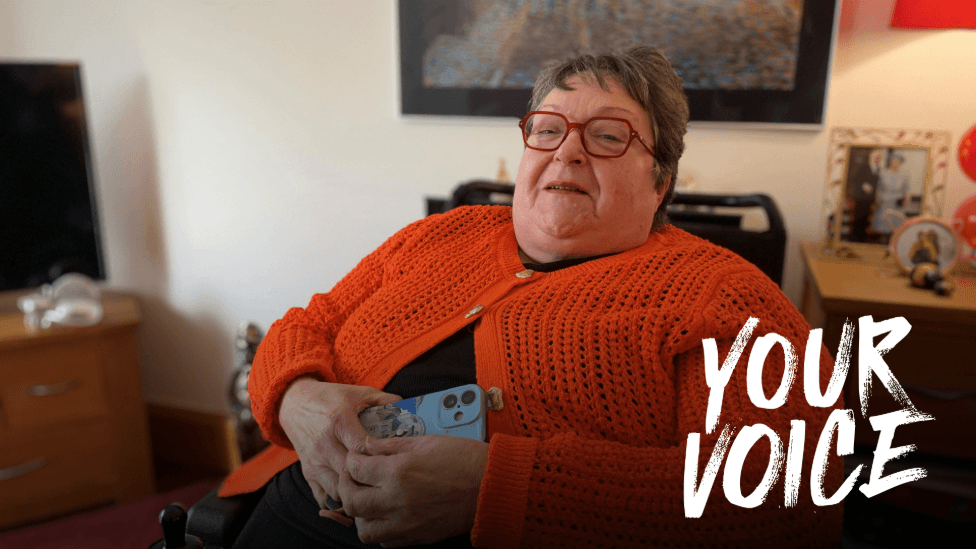
Janice Johnstone has relied on a wheelchair full-time for the past couple of years, and when she wants to venture out for an evening in Dumfries, the logistics become extraordinarily complex. The entire region has access to just one wheelchair-accessible taxi that she can book, forcing her to reserve it days in advance to guarantee any outing is possible. Spontaneous plans—something most people take for granted—remain entirely out of reach for her.
"You can't do anything on the spur of the moment - not at all,"she explained. Johnstone raised her concerns through a public feedback service, noting that although she has lived with disability throughout her life, the reality of full-time wheelchair use has only recently exposed how profoundly transport limitations affect her independence and quality of life.
"I've had a disability all my life but it's only been since I've not been able to transfer - needing to use a chair all the time - that I've realised how difficult it is for a wheelchair users, especially in the town,"she said.
"The lack of accessible transport has a big impact on a lot of people. A lot of people, I think, have their own wheelchair-accessible vehicles but I'm on my own."
Her social life has contracted significantly. She previously attended concerts and theatre performances regularly, but the single taxi driver available to her operates only part-time and does not work late evenings, further restricting her options. Johnstone is aware of two other accessible taxis in the region, though both are reserved exclusively for school transport.
Dumfries and Galloway Council confirmed that three vehicles serve the entire region and its population of approximately 150,000 people. This represents less than 2% of the total licensed taxi fleet of 245 vehicles—185 licensed taxis and 60 private hire vehicles operating across the area.

How does this compare to national guidance?
Transport Scotland recommends that at least 20% of licensed taxis should be wheelchair-accessible, a target the region falls dramatically short of meeting. The current provision falls far below what accessibility standards suggest is necessary for a population of this size.
"You can't go last minute to anything,"Johnstone said.
"I've been away visiting family in the city - you can just phone and get a wheelchair accessible taxi. I know we're not like Glasgow or Edinburgh, but at least a couple would be beneficial, I think."
Why are operators not providing more accessible vehicles?
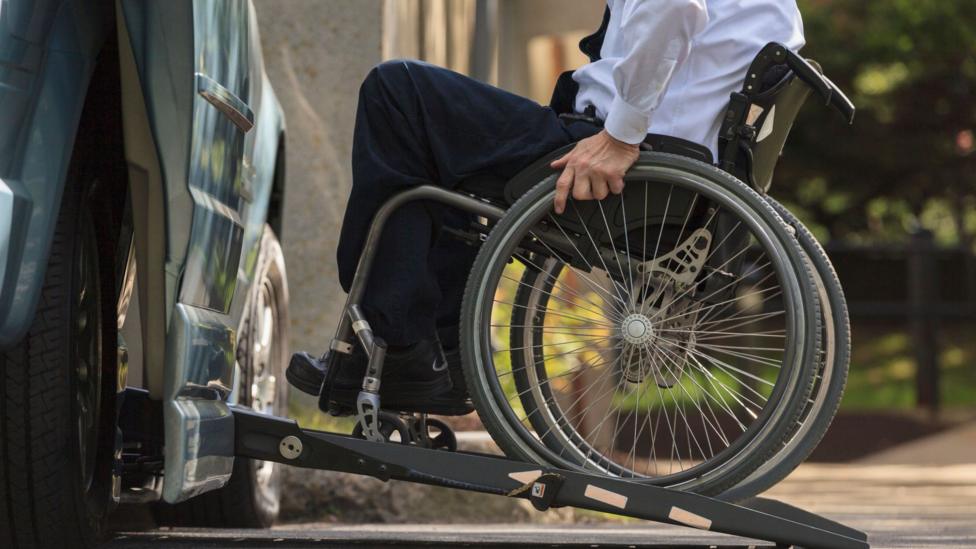
Taxi operators across the region consistently cite cost as the primary barrier to expanding wheelchair-accessible vehicle provision. Stuart Frew of United Taxis explained the financial constraints facing his business and others like it.
"I'd love to be able to have one on the road but cost to purchase is very expensive, then there is the running costs for it also,"Frew said.
"As a company we are exploring such but for now it's not in my price range to be able to purchase something. Even to purchase a used one is expensive."
Despite recognising the frustration, Frew acknowledged the genuine demand for such services.
"If I could, I'd have one running as it's frustrating knowing how many people require such and we can't provide just now,"he said.

What steps has the council taken to address the shortage?
Dumfries and Galloway Council acknowledged the critical role wheelchair-accessible taxis play in enabling independent travel. In March 2026, the council's enabling and customer services committee approved several measures designed to encourage greater provision of accessible vehicles.
According to the Professional Hire and Taxi Monthly, the council introduced a new licensing zone specifically for wheelchair-accessible vehicles and reduced licensing fees to make entry into the market more affordable. The new wheelchair-accessible vehicle licence fee was set at £230, with a £65 fee for operators swapping an old vehicle for a new one.
The council stated that
"the cost of purchasing and operating wheelchair accessible vehicles can be a barrier"and that
"the new licensing arrangements have been developed to help encourage greater provision and create additional opportunities for operators wishing to enter the market."
According to the council's 2025 accessibility review, a previous assessment identified that wheelchair-accessible vehicle provision remained constrained due to cost, operational pressures and the challenge of maintaining service coverage across a geographically dispersed region.
The council confirmed it would maintain the current limit of 70 taxi licences in the Dumfries town zone while working to improve wheelchair-accessible vehicle coverage in rural areas. Additionally, a regional taxi app launched in September 2026 was intended to help both drivers and customers navigate ongoing taxi availability challenges.
What impact does this have on daily life?
For Johnstone, the shortage means meticulous advance planning for every journey.
"I had to book it last week to go out tomorrow,"she explained.
"If I get an appointment, I've got to say right away to him, can he manage that? And then there is the issue of funerals, for instance - if it's a day he's not working, then you can't go to a funeral or family functions or friends' functions and things."
The broader context of transport challenges for disabled people in Scotland adds urgency to this issue. Earlier in 2026, disabled drivers in rural Scotland expressed concerns about changes to the Motability scheme, which threatened to reduce independence through mileage limits and higher charges. For those unable to drive, accessible public transport becomes even more essential.
Johnstone emphasised what improved provision would mean for her wellbeing.
"You would just have a bit of independence and a bit of life because otherwise you're stuck indoors all the time. Mentally it's good to go out and do things."An increase in accessible taxi availability would restore her ability to participate in community life, attend social events and maintain family connections without requiring weeks of advance notice.

What happens next?
The council stated it will work with taxi operators, community groups and accessibility representatives to explore further improvements to accessible taxi provision. The success of these initiatives will depend on whether the reduced licensing fees and new zoning arrangements prove sufficient to overcome the substantial capital costs operators face when purchasing wheelchair-accessible vehicles.
For now, Johnstone and others in similar circumstances must continue to plan their movements with military precision, unable to seize the spontaneous opportunities for social connection and independence that most people experience without a second thought.