Concerns Over Motability Scheme Changes in Rural Scotland
Disabled drivers in rural Scotland have expressed concern that proposed changes to the Motability scheme could jeopardize their independence or impose significant additional costs.
The Motability scheme enables disabled individuals to use a portion of their disability benefits to lease vehicles, which many depend on for employment, health-related travel, and daily activities.
From July, new mileage limits and increased insurance excess charges will be implemented across the UK, with Motability stating these adjustments are necessary to address rising operational costs.
Although these changes were initially scheduled to take effect in Scotland simultaneously, ongoing discussions between the Scottish government and Motability have postponed the rollout, creating uncertainty about when the new rules will be introduced.
Advocates warn that rural communities, where public transport options are limited, will be disproportionately affected.
Starting 1 July, Motability leases in the rest of the UK will feature a standard annual mileage allowance of 10,000 miles, a reduction from the previous 20,000-mile limit.
Drivers exceeding this allowance will incur a charge of 25 pence per additional mile.
The scheme continues to include insurance, servicing, maintenance, and road tax within its coverage.
Impact on Individual Users
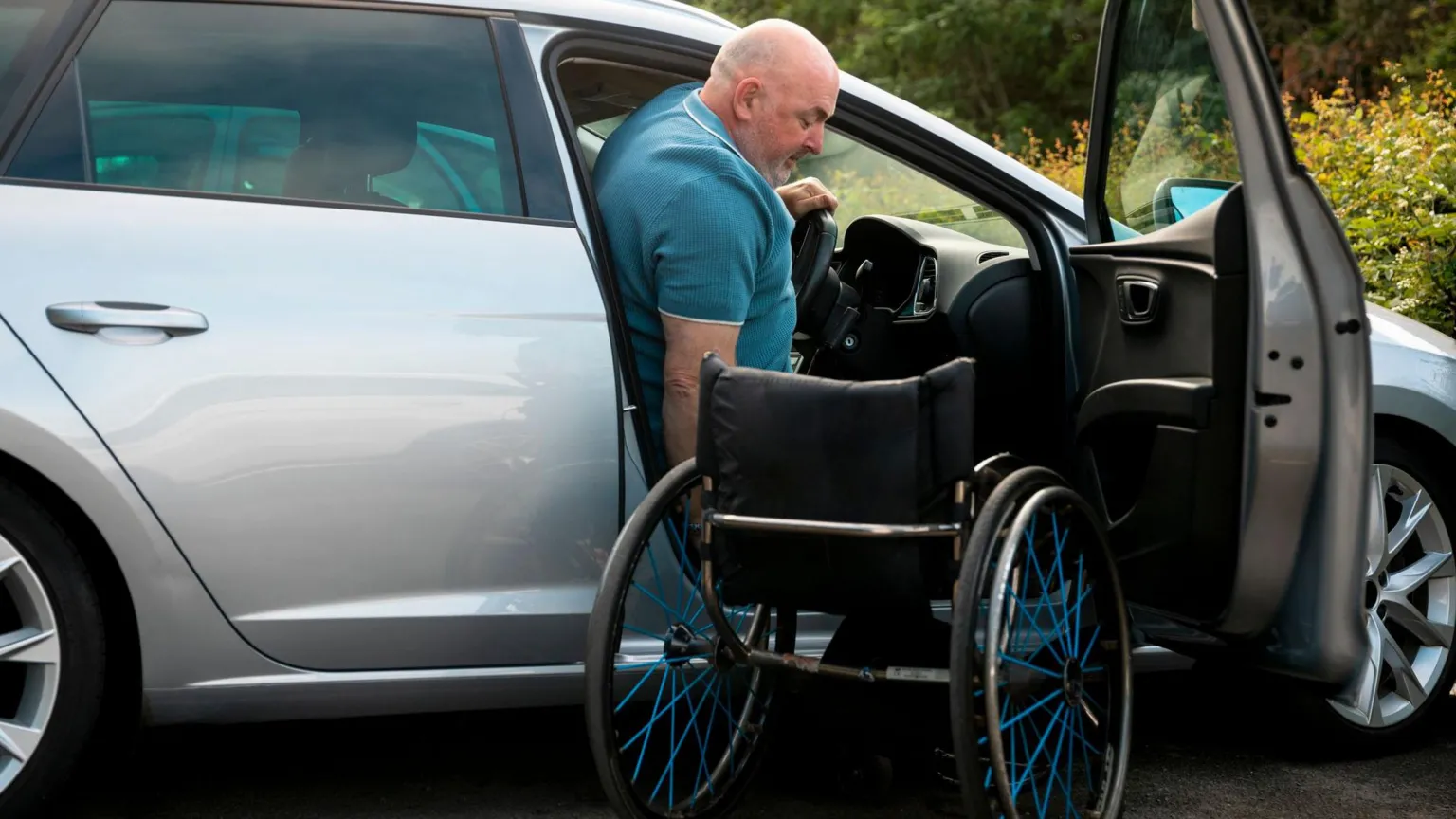
Graeme Stuart, a wheelchair user from Balloch, highlighted how the proposed changes would affect his professional and personal life.
He depends on his Motability vehicle to commute to his job at Scotland's national spinal injuries unit, attend medical appointments, and participate in wheelchair curling competitions.
His current lease permits up to 60,000 miles over three years, and he anticipates nearing this limit when his lease concludes next year.
Stuart estimated that maintaining his current travel habits under the new rules could result in excess mileage charges totaling approximately £7,500 over a three-year lease.
"If it stays at 10,000 miles, then there's no decision at all," he said. "It would be daft for me to continue with Motability."
For many users, especially those in areas with scarce public transportation, the scheme is vital.
"This is my lifeline," Stuart stated. "If I didn't have this, then I wouldn't have as good a life as I've got."
He expressed concern that the proposed changes might introduce further obstacles for disabled individuals striving to remain employed.

"Effectively they're saying, 'We want you in work but we're going to put barriers in place'."
Challenges in Remote Areas
Similar apprehensions have been voiced on the Isle of Skye.
Dr Caroline Gould, who uses a powered wheelchair and resides in Broadford, relies on a specially adapted wheelchair-accessible vehicle.
Her hospital appointments often require travel to Inverness or Glasgow, and visiting her 94-year-old mother involves a round trip exceeding 1,200 miles.
She criticized the proposed changes for failing to consider the realities of living in remote parts of Scotland.
"I think people are going to end up not having the life they want to live, not having the independence that they want," she said.
Gould noted that accessible transport alternatives are frequently unavailable.
"I have no alternative other than to use my wheelchair-accessible vehicle."
Concerns from Disability Organisations
Disability organisations have also voiced their concerns regarding the changes.
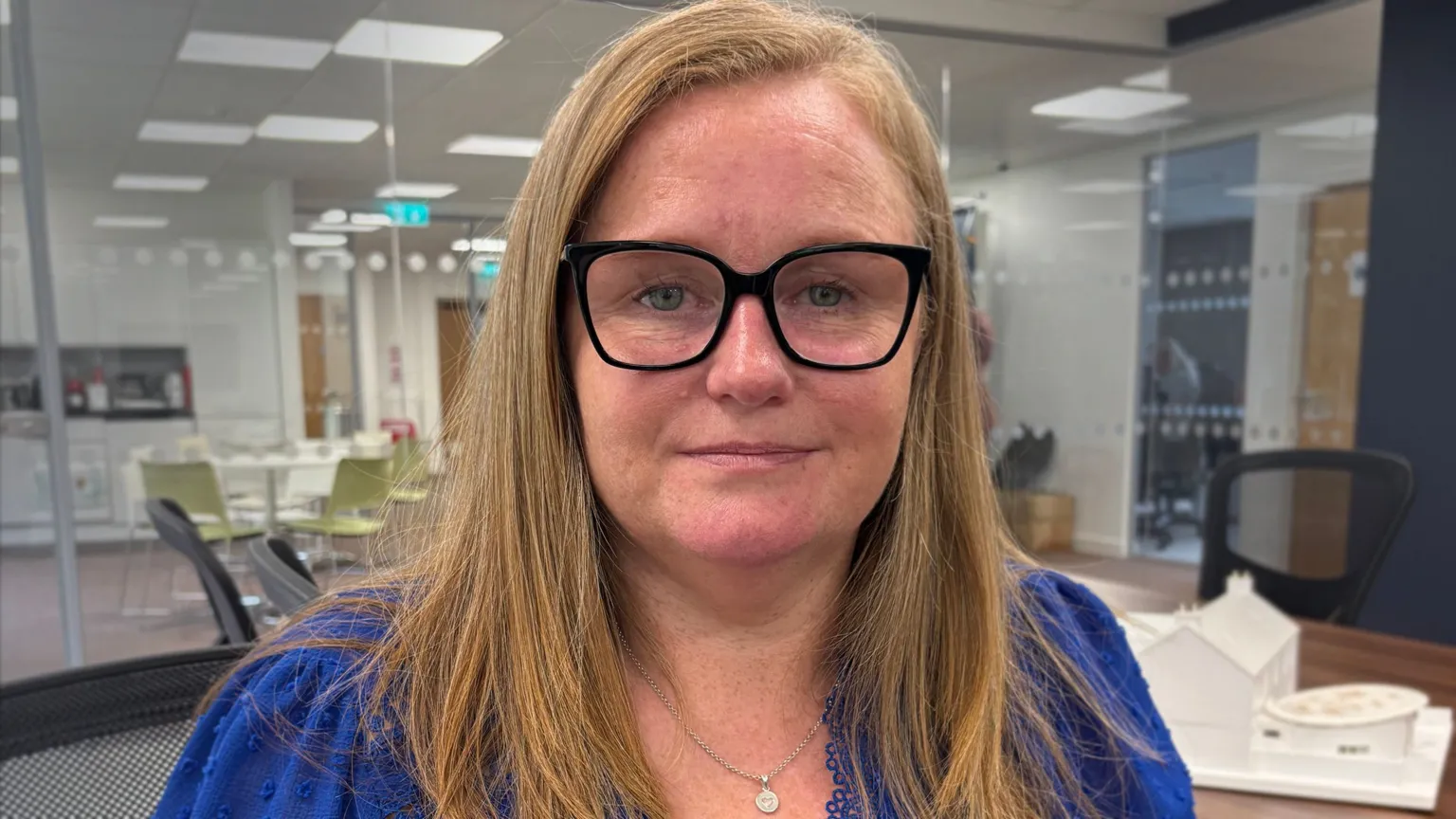
Maureen Morrison, chief executive of Spinal Injuries Scotland, emphasized that many disabled individuals already encounter barriers to employment, healthcare, and social engagement.
She cautioned that increased mileage charges might lead some people to reduce their travel or experience greater isolation.
"What about the rest?" Morrison questioned, responding to Motability's statement that approximately 73% of customers drive fewer than 10,000 miles annually.
Motability's Response and Financial Context
Motability explained that the changes respond to tax measures announced in the UK government's autumn budget.
The organisation estimates these measures will increase the scheme's operating costs by around £300 million annually by the end of the decade.
Efforts to Manage Lease Costs
Motability indicated that without changes, lease costs could rise by approximately £1,100 over three years. The new measures aim to limit this increase to about £400 on average.
A Motability spokesperson stated,
"We know how important a vehicle is for our customers to live independently."
The organisation noted that about three-quarters of customers already drive within the new mileage allowance and confirmed that an exceptions process will be introduced for a limited number of cases.
Scottish Government Involvement
Scotland's Social Justice Secretary Shirley-Anne Somerville indicated that ministers are collaborating with Motability to reduce uncertainty and ensure disabled individuals continue to receive appropriate support.
The Scottish government confirmed that discussions are ongoing to find a resolution before any changes are implemented in Scotland.