Some of the most vulnerable children and young people in the care system are deliberately self-harming and attempting suicide to avoid losing support when they turn 18 or recover from mental health conditions, according to research by a psychotherapist working in the field.
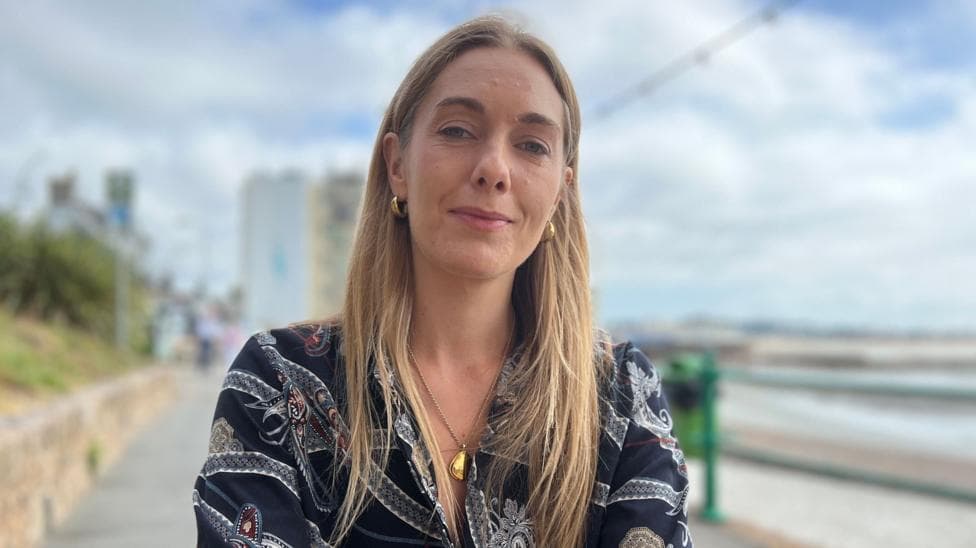
Abi Booth, who has conducted in-depth research into 12 children, describes this group as facing a "catastrophic situation" in which they harm themselves to maintain their place in therapeutic facilities. These young people believe that the only path to safety lies not in recovering from their mental health conditions, but in becoming more unwell through severe self-harm or suicide attempts.
A government review into deaths among young adults aged 18-24 in England during 2025 identified a sharp withdrawal of support at age 18. This abrupt transition, often called the "care cliff," leaves many young people without the services they relied on during childhood. A separate government review found that care leavers in England have a death rate four times higher than the general population, with 112 deaths recorded in 2025.
Booth explained the perverse logic that drives this behaviour:
"Society's system around the most vulnerable people in the UK is failing them at every level … Of the hundreds of young people I have spoken to in the course of my work in recent years, every single one has told me that the system is pushing them into patterns of risk. Many of these children and young people have experienced extreme neglect and often physical and sexual abuse. Some are so badly scarred from self-harming there isn't an inch of their bodies left untouched. They see self-harming as a route to safety. They are living in a state of terror, which may be hidden underneath layers of bravado."
Why does self-harm become a survival strategy?
Young people in this situation view self-harm as a route to safety because of a stark economic reality: while they are financially burdensome to overstretched local authorities, they are valuable commodities to private care companies. Councils often outsource complex cases to private providers that charge £20,000 or more per week per young person. Only by remaining high-risk can these children maintain their place in the care system and the support it provides.
Booth said:
"These young people are a currency. They are more profitable the riskier they are."
While in inpatient psychiatric units, these children and young people are "learning the tricks of the trade" in terms of more severe and sophisticated methods of self-harming and suicide attempts, according to Booth's observations. Rather than receiving treatment that addresses their underlying trauma, they are inadvertently being trained in more dangerous forms of self-injury.
Booth noted that while not all children and young people in the care system fit this description, she fears the number is growing, as evidenced by the proliferation of private care units. England's social care system currently supports 400,000 children, with nearly 84,000 looked after by local authorities.

What does the parliamentary inquiry reveal?
A report from parliament's joint committee on human rights, published on Thursday, found that the accommodation model in children's social care is fundamentally broken. The inquiry identified that a lack of capacity has forced children into expensive and wholly inadequate accommodation, often placed far from their support networks and families.
The report calls on government to end the use of unregulated spaces as a matter of urgency. It recommends that measures be explored including increasing local authority supply of placements through adequate funding, carrying out tougher inspections, and tackling delays in the registration process for homes.
David Alton, chair of the joint committee, said:
"We have a moral duty as a society to uphold the human rights of children and young people. The children's social care system is there to be a crucial safety net to support the most vulnerable in society. The evidence we have heard from children in care, care leavers and experts in the field is that too often it is failing to prevent people falling through the gaps. The challenges for those in need of care do not stop when childhood ends – from the 'cliff edge' of support ending at the age of 18, to the increased likelihood of entering the criminal justice system, to facing discrimination once they leave care."
How widespread is the use of unregulated accommodation?
The scale of reliance on unregulated placements has become a significant enforcement concern. Ofsted opened 850 cases into potential unregistered children's homes and supported accommodation settings between 1 April 2025 and 31 March 2026, demonstrating continuing enforcement pressure around placements outside the regulated system.
Earlier reporting documented the extent of the problem. In January 2026, 800 at-risk children were housed in illegal facilities for an average of six months, with the care system described as "dysfunctional" and "not effective". Some children have been temporarily housed in caravans, holiday camps and short-term rental properties, according to reports from April 2026.
What enforcement action is being taken?
Ofsted has signalled its intention to penalise councils for using unregistered children's homes, including downgrading them on sufficiency of provision. The Department for Education said the government is working to help thousands more care leavers access homes with support attached and that steps are being taken to crack down on illegal and unregistered children's homes.
Booth is calling for systemic change to better protect this group of young people without leaving them as "commodities" for profit-driven private care companies.
"I want to shine a light on the reality of life for these young people in the hope of inspiring some change,"she said.
Key Facts
- Young people in care deliberately self-harm to maintain their place in the care system and avoid the "care cliff" at age 18 when support ends abruptly
- Private care companies charge £20,000 or more per week per young person, creating financial incentives to keep vulnerable children in the system
- Ofsted opened 850 cases into unregistered children's homes between April 2025 and March 2026, highlighting the scale of unregulated placements
- Care leavers in England have a death rate four times higher than the general population, according to a 2025 government review
- Parliament's joint committee on human rights has called for the urgent end to use of unregulated accommodation for children in care
In the UK, the youth suicide charity Papyrus can be contacted on 0800 068 4141 or email pat@papyrus-uk.org, and Samaritans can be contacted on freephone 116 123. In the US, the National Suicide Prevention Lifeline is at 988 or chat for support. In Australia, the crisis support service Lifeline is 13 11 14. Other international helplines can be found at findahelpline.com.