The rapid expansion of injectable weight-loss medications is creating an unexpected workplace safety crisis at recycling facilities across the UK, with used needles increasingly appearing in household waste streams and putting staff at serious risk of injury and infection.
According to BBC News, recycling plant supervisors have raised alarm about the growing volume of discarded needles mixed into kerbside collections, where they pose hazards to workers sorting waste on conveyor belts and during manual inspection processes.
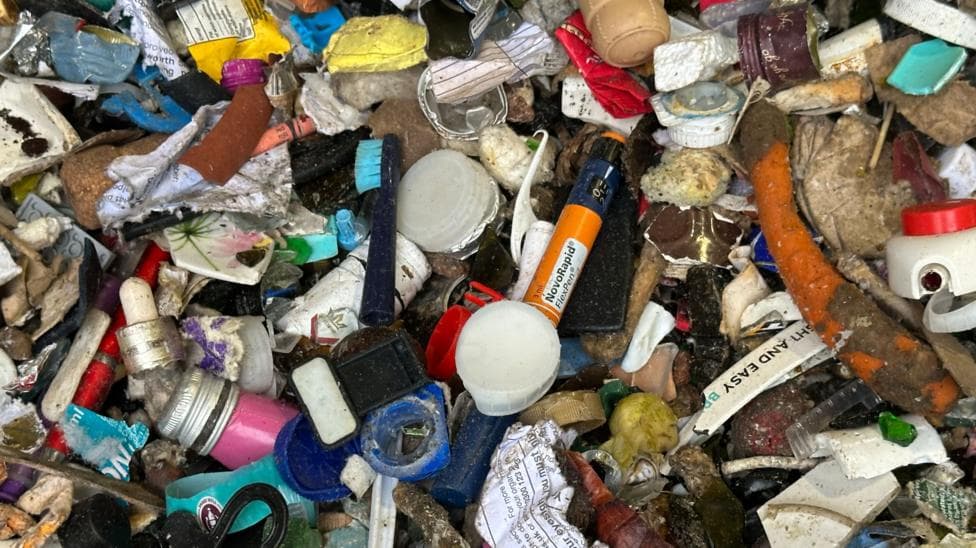
At a Coventry recycling facility operated by Sherborne Recycling, staff regularly encounter crushed sharps containers that have been placed in household bins by residents. Supervisor Paul Pagett explained the sequence of events: a resident places a sharps container in a wheelie bin, the recycling vehicle crushes it during collection, and the container arrives at the plant already open with needles spilling onto the sorting line.
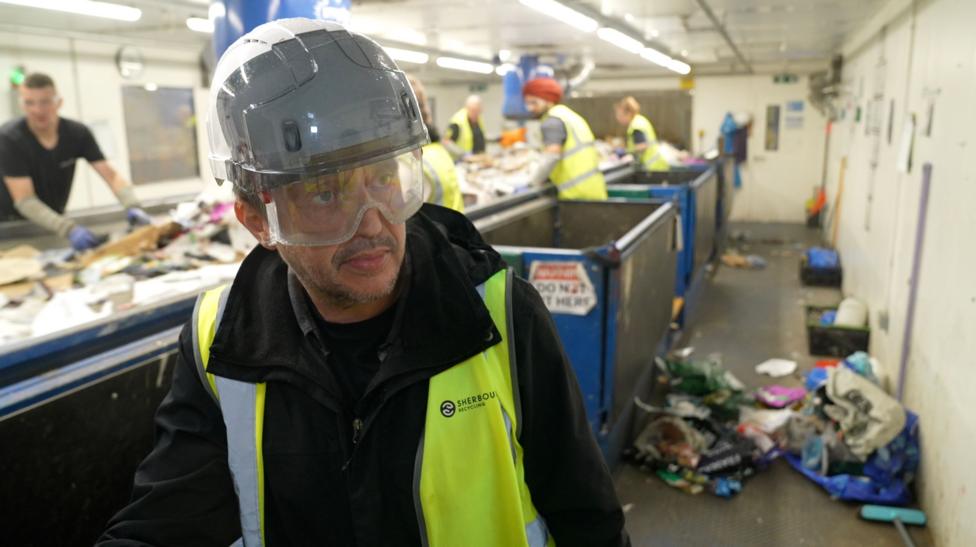
Sharps containers and loose needles should never enter the recycling stream. Used needles require disposal through dedicated clinical waste services, yet recycling bosses report finding them with increasing frequency mixed among general household waste. Richard Dobbs, managing director of Sherborne Recycling, emphasised the danger: "There are safe disposal routes for needles but the worst place to put them is in your recycling. It ends up in facilities like ours where it will be touched by people and that's inherently unsafe."
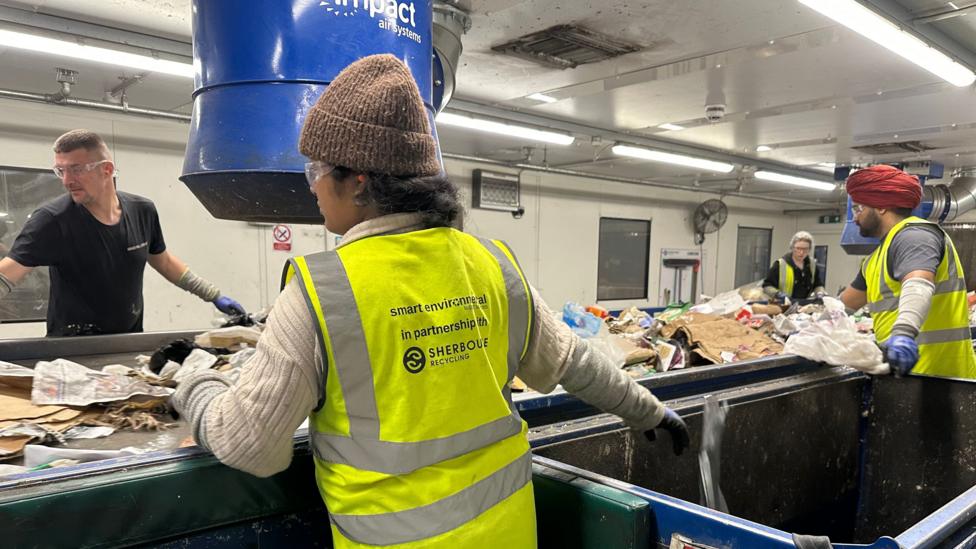
Sherborne Recycling processes waste from several local authorities serving approximately 1.5 million residents and handles about 175,000 tonnes of mixed household waste annually. While the plant is highly automated, workers must still manually remove non-processable items and regularly inspect incoming waste to verify what is being sent for recycling, creating potential for direct contact with discarded needles.
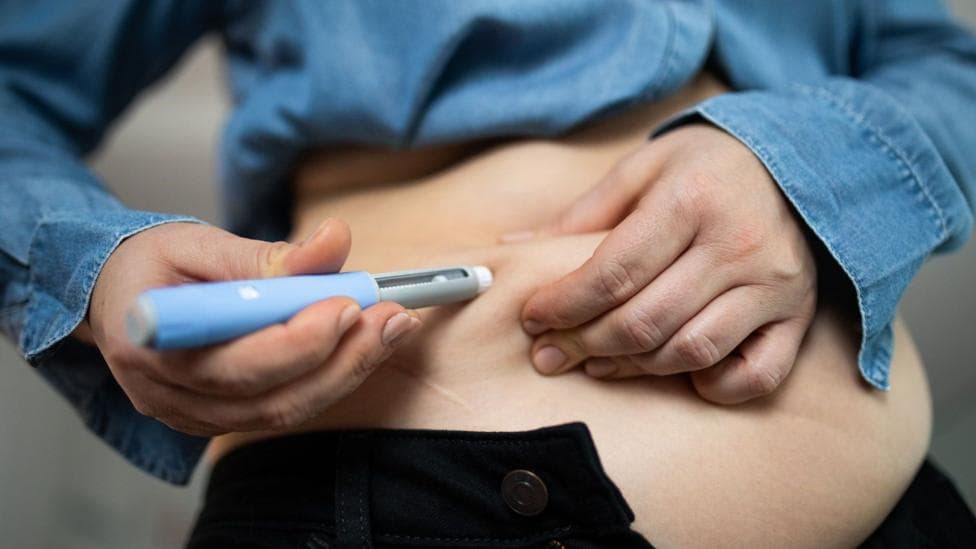
Some needles come from people using insulin and other long-established injectable medicines, where patients typically receive sharps bins and disposal guidance from their healthcare provider. However, the growing popularity of privately prescribed weight-loss injections such as Mounjaro and Wegovy has created a new disposal challenge. Many people purchasing these drugs privately do not automatically receive sharps containers or clear instructions on safe needle disposal.
The scale of the problem is substantial. Industry sources estimate that 104 million weight-loss jabs are prescribed annually, and a 2025 assessment suggested that up to six million pens could potentially end up in landfill annually in the UK alone. The consequence is that large numbers of needles are ending up in household bins and, in some cases, recycling collections.
For recycling workers, accidental needle-stick injuries carry serious health consequences. Dobbs described the experience: "It's a worrying time. You have to be tested and wait for results. It can take months. Most of the time they're clear but on occasion there will be times when people have picked up serious infections and illnesses and that's obviously devastating for them." In a documented Doncaster incident, a refuse worker was pierced by a used needle through two pairs of gloves, requiring hospital treatment, four vaccinations and booster shots, and blood tests.
At Sherborne, only a handful of staff come into direct contact with waste during sorting operations. However, in larger recycling plants across the country, dozens of workers might be exposed to similar hazards. Paul Pagett showed a cupboard stacked with yellow sharps containers that had all been recovered from the recycling stream since the start of the year, illustrating the scale of the problem at a single facility.
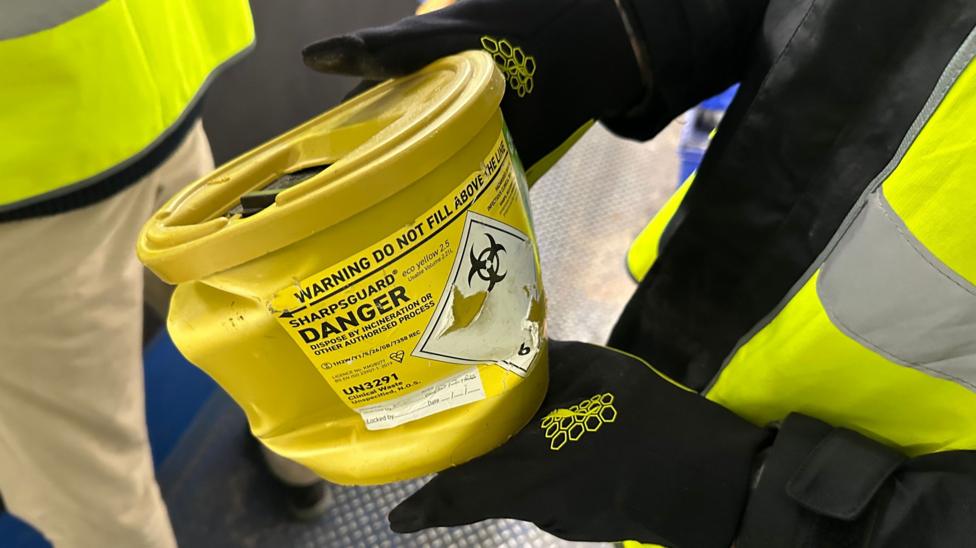
Both Sherborne Recycling and SUEZ have called for safer, more accessible disposal routes, with industry bodies recognising weight-loss injections as an emerging waste-sector challenge. Beyond worker safety, Sherborne notes that sharps can damage equipment, disrupt operations and contaminate recyclable loads, creating additional disposal costs.
How should weight-loss injection users dispose of needles safely?
The solution is straightforward but requires awareness and action from users. Anyone prescribed weight-loss injections should speak to their GP or pharmacy about obtaining a sharps bin and receiving guidance on safe disposal. Sharps containers should be rigid, puncture-resistant, and compliant with British Standards. Once full, the container should be taken to a participating pharmacy or GP surgery for proper clinical waste disposal; some councils may also offer clinical-waste collection services.
Some pharmaceutical manufacturers have begun offering take-back schemes. Novo Nordisk provides a Boots take-back route for plastic pens after the needle is removed, while Eli Lilly has indicated it is running pen-recycling pilots in several countries, including the UK.
Key Facts
- Recycling plants are finding increasing numbers of used needles in household waste, creating occupational hazards for sorting staff
- Many people purchasing weight-loss injections privately do not receive sharps containers or disposal guidance
- Needle-stick injuries can result in months of testing and, in some cases, serious infections requiring hospital treatment
- Sharps containers should be disposed of through GPs, pharmacies, or dedicated clinical waste services—never placed in recycling bins
- Industry estimates suggest 104 million weight-loss jabs are prescribed annually, with up to six million pens potentially going to landfill in the UK each year